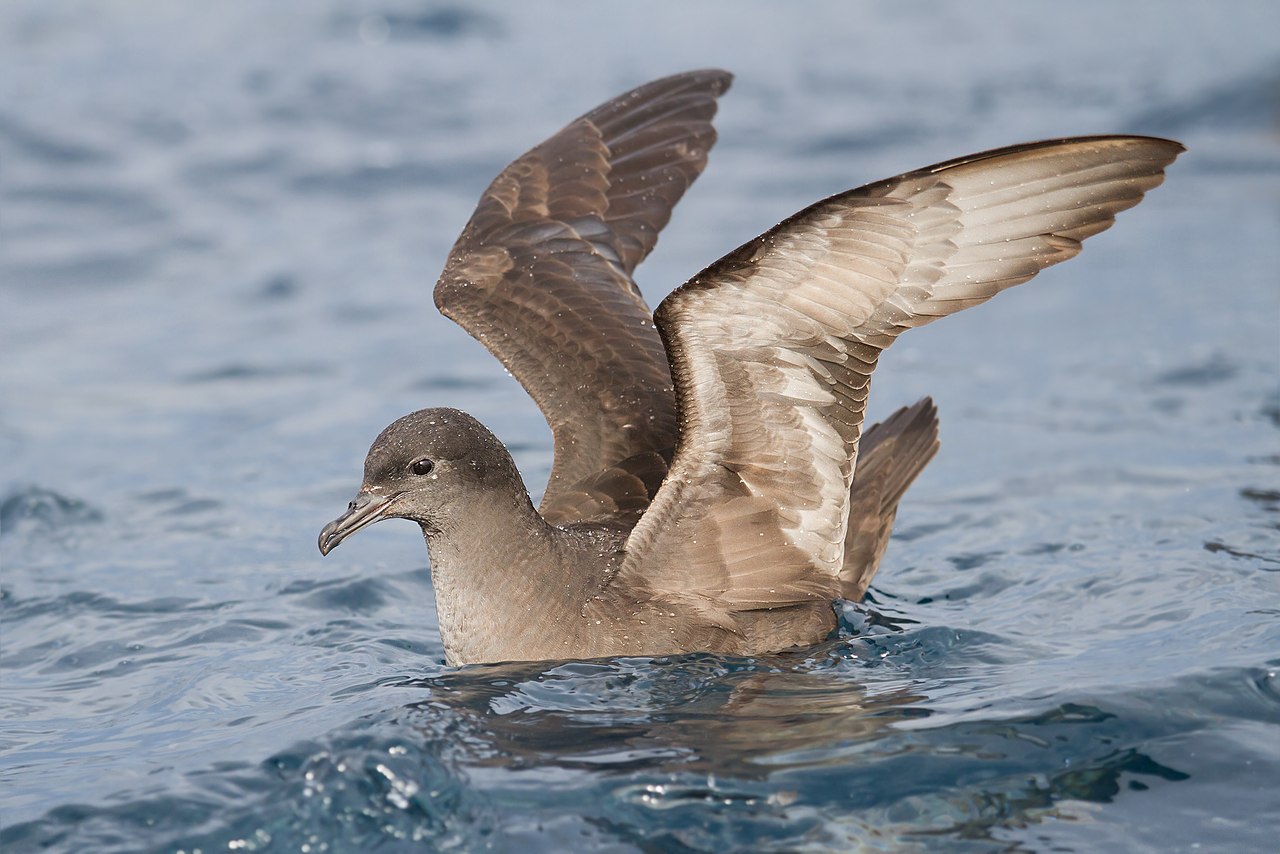
The short-tailed parrotbill is a species of bird in the family Paradoxornithidae. It is found in China, Laos, Myanmar, Thailand, and Vietnam. Its natural habitat is subtropical or tropical moist lowland forests.
Region
Southeast Asia
Typical Environment
Occurs in southern China and parts of mainland Southeast Asia, including Laos, Myanmar, Thailand, and Vietnam. It favors dense bamboo and tangled understory within subtropical or tropical moist lowland forests. The species also uses forest edges, young secondary growth, and scrubby riparian corridors. It is generally a low- to mid-elevation bird that keeps close to cover and rarely ventures into open habitats.
Altitude Range
Sea level to 1500 m
Climate Zone
Subtropical
Ease of Keeping
Beginner friendly: 2/5
A small, bamboo-loving parrotbill, it moves in tight family groups that chatter constantly as they forage. Its notably short tail and stout, parrot-like bill help distinguish it from other undergrowth birds. It frequents dense thickets and secondary growth, making it easier to hear than to see. Habitat loss and degradation are the main concerns in parts of its range.

Temperament
social and active
Flight Pattern
short rapid wingbeats
Social Behavior
Usually seen in small, close-knit groups or pairs moving through dense bamboo and thickets. Pairs build cup-shaped nests low in vegetation. They often join mixed-species flocks in the understory outside the breeding season, maintaining near-constant contact calls.
Migratory Pattern
Resident
Song Description
A rapid series of thin, tinkling notes interspersed with soft chatters. Calls include sharp, scolding chips used to keep contact within the group.
Plumage
Compact, short-tailed bird with warm brown upperparts and paler buff underparts; plumage appears smooth and slightly silky in good light.
Diet
Primarily gleans small insects and other arthropods from bamboo leaves, stems, and tangled understory foliage. It will also take small larvae and spiders picked from leaf litter and twigs. Occasional seeds and tiny berries may be consumed, especially when insect prey is scarce.
Preferred Environment
Feeds within dense bamboo stands, thickets, and the lower understory, rarely more than a few meters above the ground. Frequently forages along forest edges and in regenerating secondary growth where cover is abundant.