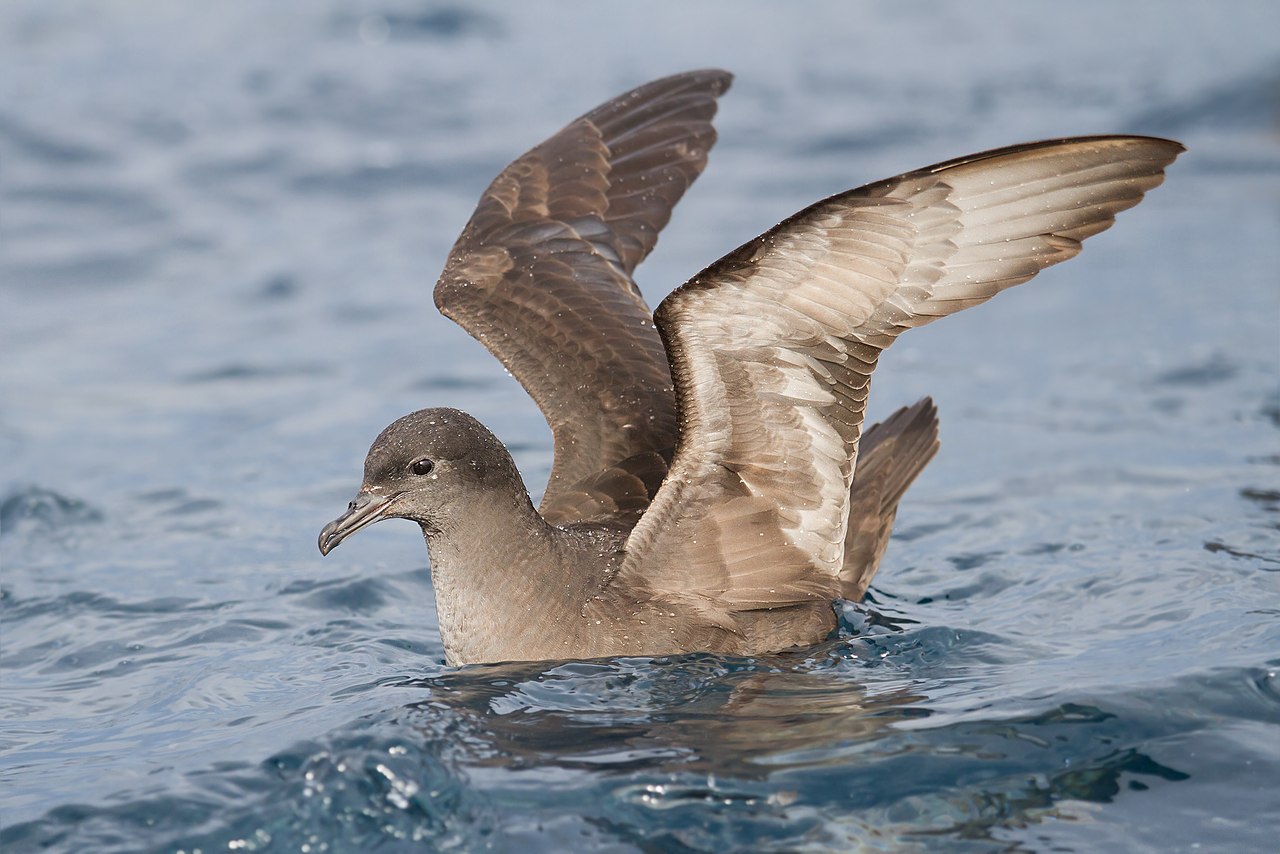
The short-tailed pipit is a species of bird in the family Motacillidae. It is found in Angola, Burundi, Republic of the Congo, Democratic Republic of the Congo, Gabon, Mozambique, Rwanda, Somalia, South Africa, Tanzania, Uganda, Zambia, and Zimbabwe. Its natural habitats are subtropical or tropical dry lowland grassland and subtropical or tropical seasonally wet or flooded lowland grassland.
Region
Sub-Saharan Africa
Typical Environment
Occurs patchily across eastern, central, and southern Africa, including dry lowland savannas and seasonally flooded grasslands. It frequents open grassy plains, floodplains, and dambos where grass height is short to medium. Recently burned or grazed areas are particularly attractive as they expose ground-dwelling insects. It also uses grassland mosaics near woodland edges but avoids dense forests and urban cores.
Altitude Range
0–1800 m
Climate Zone
Tropical
Ease of Keeping
Beginner friendly: 1/5
The short-tailed pipit is a secretive ground-dwelling songbird that often goes unnoticed until flushed from cover. It favors recently burned or closely grazed grasslands where it forages for insects. During breeding displays, males perform brief song-flights before parachuting back into the grass.

Temperament
secretive and wary
Flight Pattern
short rapid wingbeats with undulating, low flights
Social Behavior
Usually solitary or in pairs, becoming territorial during the breeding season. Nests are well-concealed cup structures on the ground tucked into grass tussocks. Pairs exhibit discreet behavior near the nest and often run rather than fly when disturbed.
Migratory Pattern
Partial migrant
Song Description
A thin, high-pitched series of tseep and tsee notes, often delivered during a brief ascending song-flight followed by a parachuting descent. Calls on the ground are soft and sibilant, aiding communication without revealing the bird’s position.
Plumage
Warm brown to sandy upperparts with dark streaking; underparts buffy with fine streaks on the breast fading towards the belly. Feathers are sleek and close-fitted, giving a clean, lightly streaked look overall.
Diet
Primarily feeds on small arthropods such as ants, beetles, termites, grasshoppers, and caterpillars. It also takes spiders and other ground invertebrates. Occasional small seeds may be eaten, especially outside the breeding season.
Preferred Environment
Forages on open ground in short to moderately tall grass, including recently burned patches and grazed fields. Often follows edges of floodplains and damp grassy depressions where invertebrate activity is high.