

The sharp-tailed sandpiper is a small-medium migratory wader or shorebird, found mostly in Siberia during the summer breeding period and Australia for wintering.
Region
East Asia–Australasia Flyway
Typical Environment
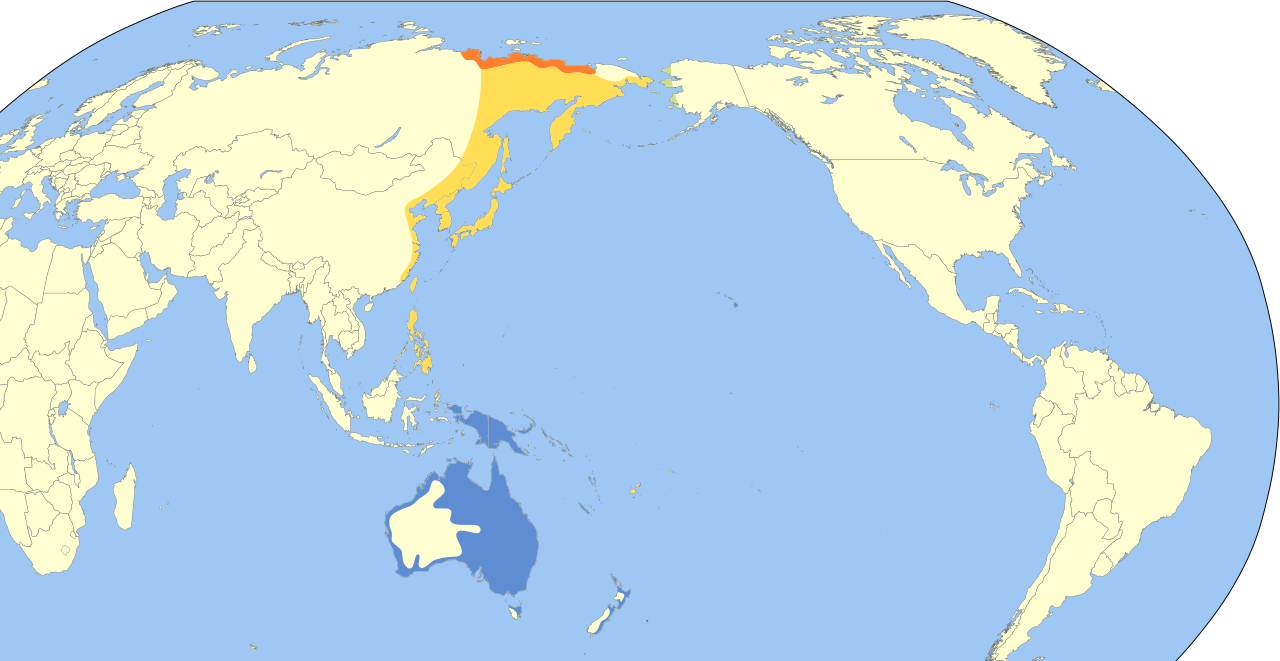
Breeds on wet mossy tundra and peat bogs across northeastern Siberia. During southbound migration it stages on tidal mudflats and coastal wetlands around the Yellow Sea and other East Asian coasts. It winters primarily in northern and eastern Australia, with smaller numbers in New Guinea and occasionally New Zealand and nearby islands. In winter it frequents coastal estuaries, saltmarshes, and inland freshwater wetlands, including flooded fields and sewage ponds.
Altitude Range
Sea level to 1000 m
Climate Zone
Other
Ease of Keeping
Beginner friendly: 1/5
A small to medium migratory shorebird, the sharp-tailed sandpiper breeds in the tundra of northeastern Siberia and winters mainly in Australia. It often gathers in large mixed flocks on coastal mudflats during migration along the East Asian–Australasian Flyway. It can resemble the pectoral sandpiper but shows a richer rufous crown and a more uniformly warm-toned upperpart pattern. Habitat loss of East Asian stopover mudflats is a key concern for this species.



Juvenile plumage in autumn, Japan

Winter plumage; with wings stretched

A flock of sharp-tailed sandpipers foraging
Temperament
wary and gregarious
Flight Pattern
fast direct flight with rapid wingbeats
Social Behavior
Often forms mixed-species flocks with other small sandpipers on migration and in winter. Breeds in dispersed pairs on tundra, building ground nests in mossy hummocks. Outside the breeding season it is highly gregarious and uses communal roosts at high tide.
Migratory Pattern
Seasonal migrant
Song Description
Generally quiet outside the breeding grounds. Displays on the tundra with soft trills and twittering notes; typical calls include a dry trrt and soft chipping contact calls.
Plumage
Warm brown upperparts with sharp pale fringes creating a scaly effect; buff breast with fine streaking and a clean white belly. Crown rich rufous with darker center, contrasting with a bold pale supercilium. Central tail feathers slightly elongated and pointed, giving the 'sharp-tailed' appearance.
Diet
Feeds mainly on small invertebrates such as insect larvae, beetles, worms, and small crustaceans; also takes mollusks and occasionally seeds. It forages by rapid picking and shallow probing in soft mud and wet vegetation. Diet varies with habitat, shifting to more aquatic invertebrates in coastal sites and insects in freshwater and tundra habitats.
Preferred Environment
Intertidal mudflats, estuaries, and saltmarsh edges during migration and winter. Also uses freshwater marshes, ponds, rice fields, and flooded grasslands, often at the margins of shallow water.


