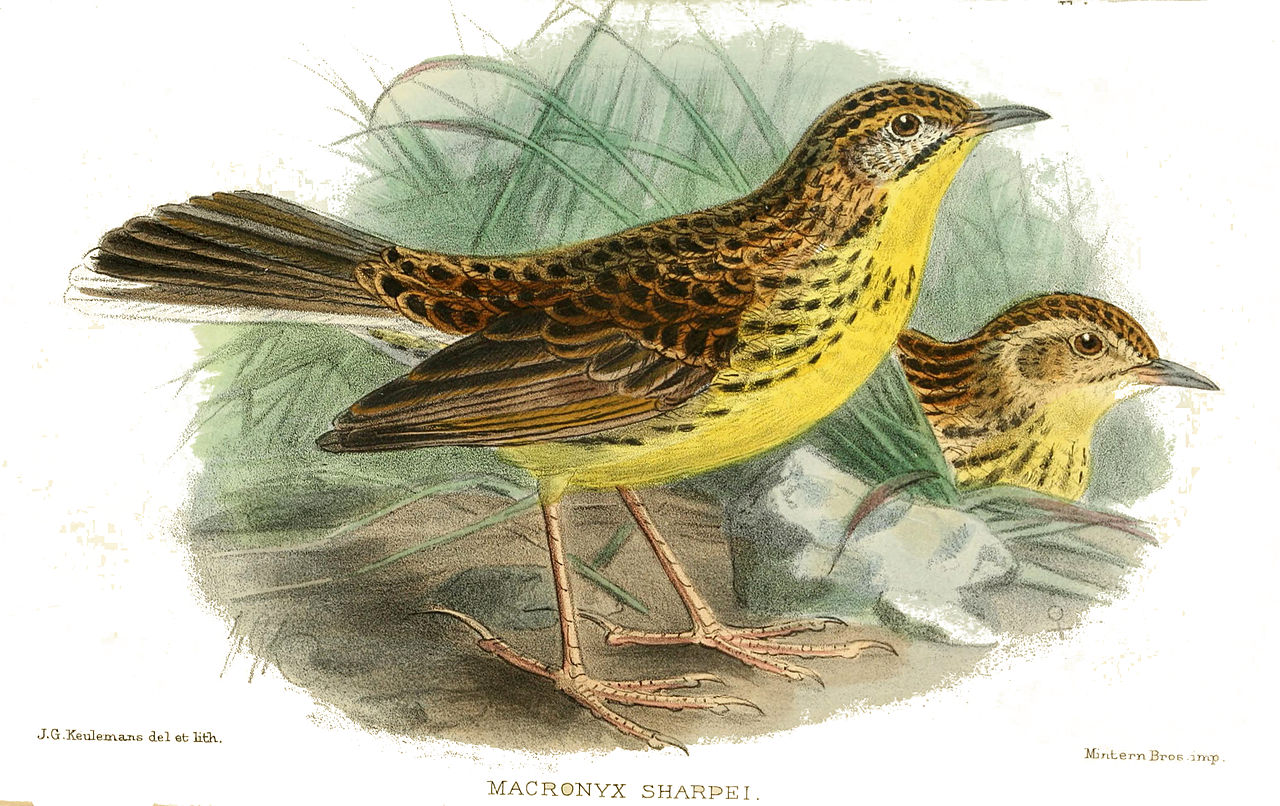
The sharpbill is a small passerine bird that is placed in its own family Oxyruncidae. It was formerly placed in the family Tityridae. Its range is from the mountainous areas of tropical South America and southern Central America.
Region
Central America and northern South America
Typical Environment
Occurs from southern Central America (Costa Rica and western Panama) south through the humid foothills and montane forests of the tropical Andes and across parts of Amazonian and Atlantic Forest regions. Prefers mature, moist evergreen forest, especially in the subcanopy and canopy. Also uses forest edges and tall secondary growth where canopy structure persists. Local presence can be patchy, tracking fruiting trees and intact forest tracts.
Altitude Range
300–2200 m
Climate Zone
Tropical
Ease of Keeping
Beginner friendly: 1/5
The sharpbill is a canopy-dwelling passerine placed in its own family, Oxyruncidae, reflecting its distinctive morphology and behavior. Males perform high-canopy display songs of thin, tinkling notes and may gather at traditional display sites. The species builds a delicate, pendant nest suspended from fine twigs or vines, often well camouflaged with moss. It frequently joins mixed-species flocks while foraging.


Temperament
unobtrusive and canopy-oriented
Flight Pattern
short rapid wingbeats with brief sallies
Social Behavior
Often forages singly or in pairs and readily joins mixed-species flocks in the subcanopy and canopy. Breeding is solitary; the female is thought to take the lead in nest construction and incubation. Males perform conspicuous display singing from high perches during the breeding season.
Migratory Pattern
Resident
Song Description
Song is a thin, high-pitched, tinkling series that may descend slightly in pitch, given repeatedly from high in the canopy. Calls are sharp, penetrating notes that can carry through dense foliage.
Plumage
Olive to olive-brown upperparts with paler, heavily streaked underparts; small, slightly erectile crest on the crown; fine, sharply pointed bill. Overall appearance is subtly patterned but distinctive at close range, with neat streaking and compact proportions.
Diet
Takes small arthropods gleaned from leaves and twigs and also consumes small fruits and berries. Frequently inspects foliage and clusters of leaves for hidden prey and will make short sallies to snatch insects. Tracks fruiting trees seasonally and benefits from foraging in mixed flocks where prey is flushed.
Preferred Environment
Feeds mainly in the subcanopy and canopy of humid montane and foothill forests. Also uses tall secondary growth and forest edges with continuous canopy structure.