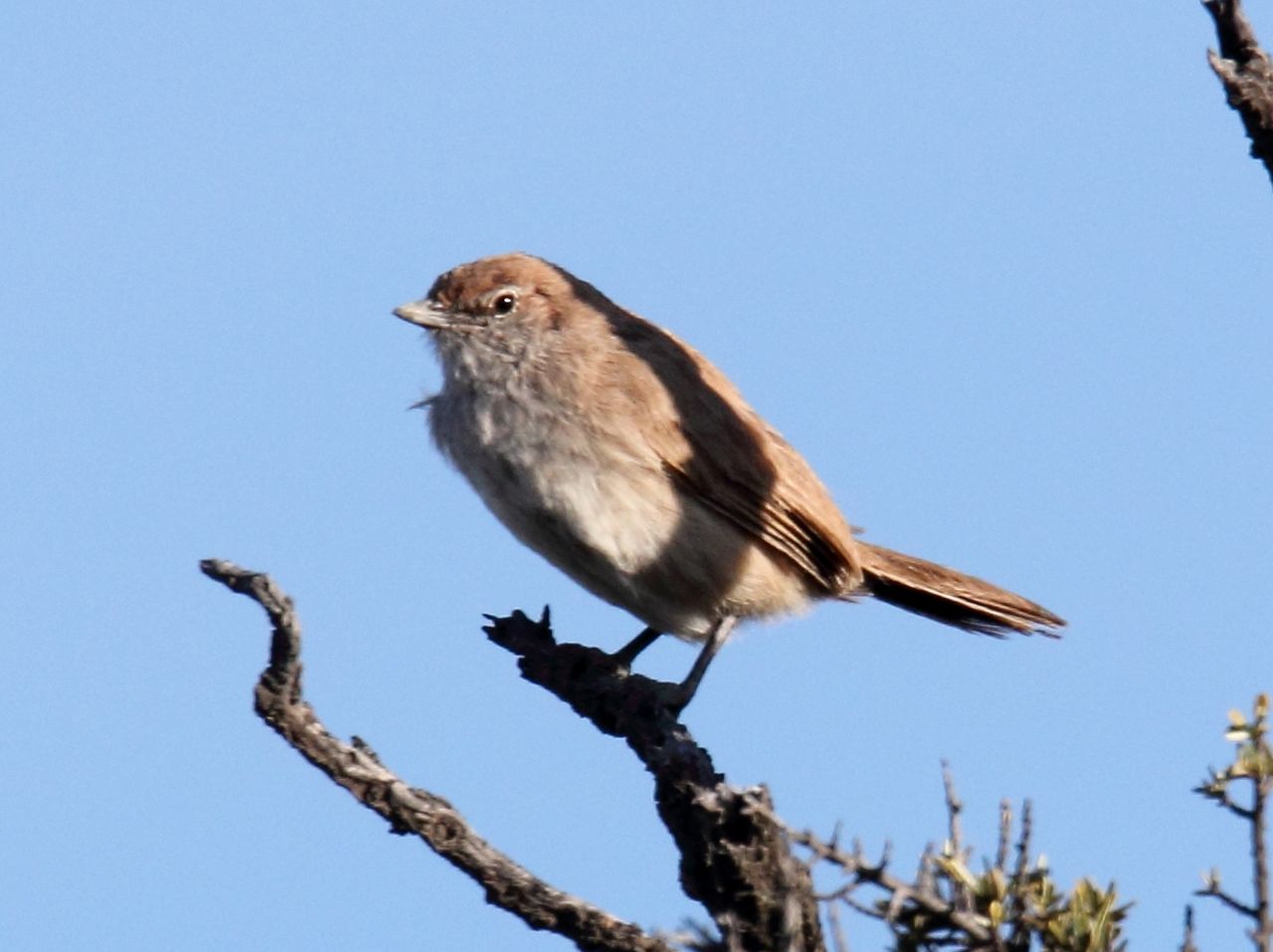
The sandstone shrikethrush is a species of bird in the family Pachycephalidae. It is endemic to Australia. Alternate names for the sandstone shrikethrush include the brown-breasted shrike-thrush and sandstone thrush.
Region
Northern Australia
Typical Environment
Occurs across sandstone country of the Kimberley in Western Australia and Arnhem Land in the Northern Territory. It favors broken rocky terrain with escarpments, gorges, and boulder fields interspersed with open woodland and monsoon vine thickets. Birds keep close to shaded rock faces and sheltered gullies, often near seasonal streams and soaks. In the dry season they retreat to moister pockets and deeper gorges but remain within the same general territories.
Altitude Range
0–600 m
Climate Zone
Tropical
Ease of Keeping
Beginner friendly: 1/5
This shy songbird is tied to Australia’s rugged sandstone escarpments and gorges, where its clear, fluting whistles often give it away before it’s seen. It forages methodically on rock faces, leaf litter, and lower trunks, taking insects and other small invertebrates. Pairs maintain territories year‑round and often nest in rock crevices or ledges protected by overhangs.

Temperament
shy and territorial
Flight Pattern
short, direct flights between rocks and cover
Social Behavior
Usually seen singly or in pairs that hold year‑round territories. Nests are typically placed in rock crevices, ledges, or sheltered niches, sometimes in dense shrubs near cliffs. Both adults participate in territory defense and provisioning of young.
Migratory Pattern
Resident
Song Description
Clear, melodious whistles delivered in short phrases, often echoing around gorges. Calls include sharp contact notes and softer churring while foraging.
Plumage
Plain, warm brown to rufous-brown upperparts with paler buff underparts and slightly grayer face; plumage is smooth and unbarred with subtle shading rather than bold patterns.
Diet
Primarily takes insects, spiders, and other small invertebrates gleaned from rock surfaces, bark, and leaf litter. Will occasionally snatch small skinks or take berries when available. Foraging is methodical, with frequent pauses to listen before picking prey from crevices.
Preferred Environment
Feeds along shaded cliff bases, boulder piles, and vine thickets adjacent to sandstone outcrops. Often works the ground and lower strata, moving between rocks, logs, and sparse understory.