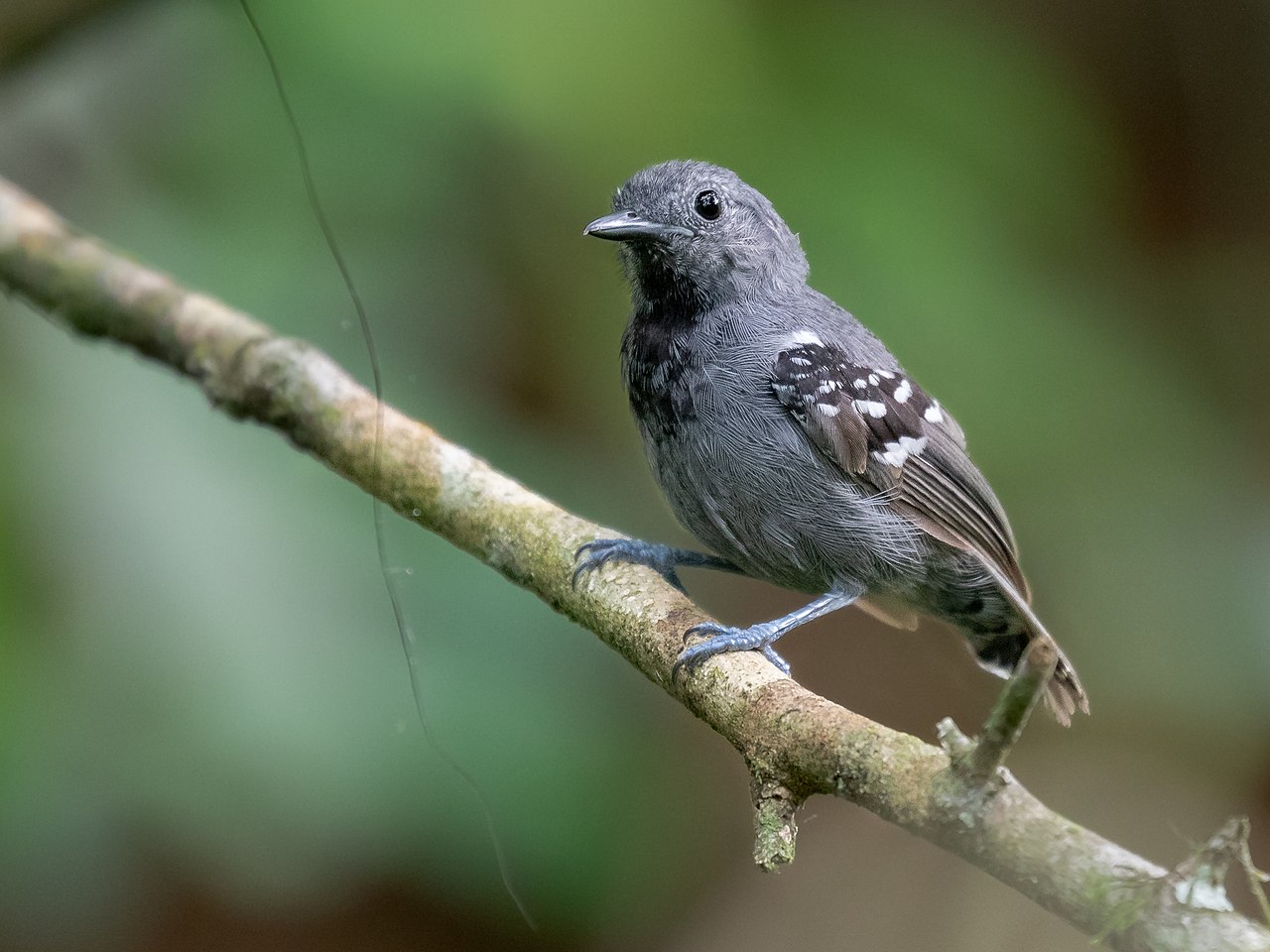
Sakhalin grasshopper warbler, is a species of bird in the family Locustellidae; it was formerly included in the "Old World warbler" assemblage.
Region
Northeast Asia
Typical Environment
Breeds in the Russian Far East and northern Japan in dense, damp vegetation such as reedbeds, willow and alder thickets, wet meadows, and river margins. It favors tangled understory with tall grasses and sedges where it can move unseen. During migration and in winter it uses scrub, forest edge, secondary growth, and coastal thickets with ample ground cover. It typically keeps close to the ground or low shrubs, rarely venturing into the open.
Altitude Range
Sea level to 1200 m
Climate Zone
Temperate
Ease of Keeping
Beginner friendly: 1/5
The Sakhalin grasshopper warbler belongs to the Locustellidae, a group known for insect-like, mechanical songs; it was formerly lumped within the broad 'Old World warblers'. It is notoriously skulking, keeping low in dense cover and more often heard than seen. Its long, sustained reeling song can carry far across wetlands and thickets during early morning and evening.

Temperament
solitary and secretive
Flight Pattern
short rapid wingbeats, low and furtive
Social Behavior
Generally solitary and strongly territorial on the breeding grounds. Nests are low or on the ground, hidden in dense vegetation; both sexes are involved in nesting duties. It migrates at night and keeps to thick cover by day during passage.
Migratory Pattern
Seasonal migrant
Song Description
A long, continuous insect-like reeling or buzzing trill, steady and mechanical, reminiscent of a grasshopper. Males sing persistently from concealed perches at dawn and dusk, and sometimes through the night in the breeding season.
Plumage
Upperparts are warm brown to olive-brown with fine, often subtle streaking; underparts are buffy to whitish with a washed flanks and minimal streaking. The tail is relatively long and slightly graduated with darker bars, and the undertail coverts are long. Texture appears smooth and plain at a distance, aiding camouflage in grasses.
Diet
Feeds mainly on small invertebrates including beetles, flies, caterpillars, ants, and spiders. It gleans prey from leaves, stems, and the ground, probing into litter and dense grass. Occasional small seeds or berries may be taken in late season when insects are scarce.
Preferred Environment
Forages in thick grassy patches, sedge beds, reed margins, willow scrub, and bushy riverbanks. In nonbreeding areas it uses secondary growth, bamboo thickets, and scrubby forest edges where cover is continuous.