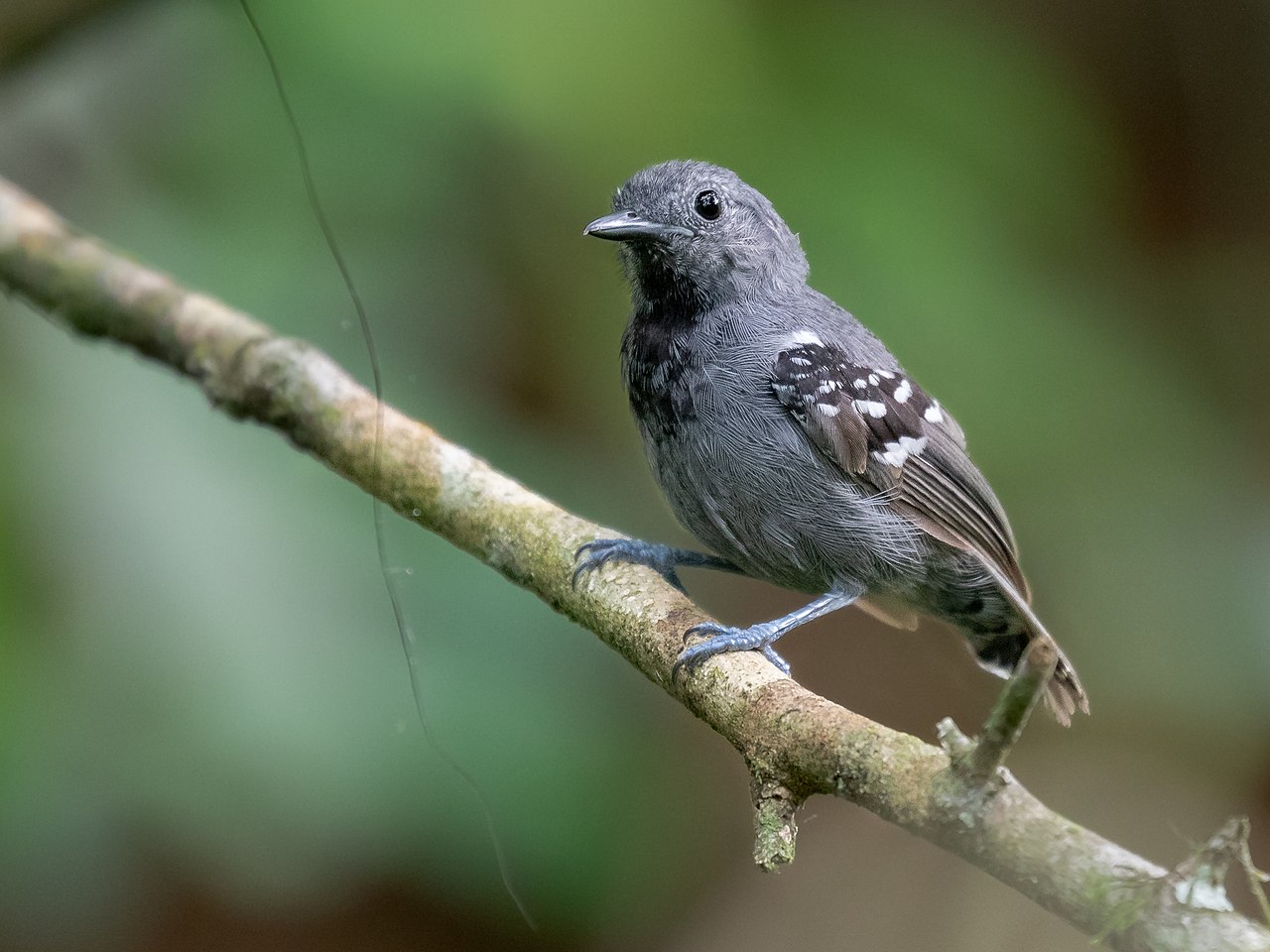
The Sakhalin leaf warbler is a species of Old World warbler in the family Phylloscopidae. It is found in Sakhalin, the Kuril Islands and Japan; it winters to the Amami and Okinawa islands and Indochina.
Region
Russian Far East, Japan, and Southeast Asia
Typical Environment
Breeds in mixed and coniferous forests with dense understory across Sakhalin, the southern Kuril Islands, and northern Japan (notably Hokkaido). During migration and winter it uses forest edges, secondary growth, bamboo thickets, and riparian scrub in the Ryukyu Islands and Indochina. It prefers moist habitats with abundant low cover where it forages within shrubs and small trees. Wintering birds are often found in quieter forest patches and along stream corridors.
Altitude Range
Sea level to 1600 m
Climate Zone
Temperate
Ease of Keeping
Beginner friendly: 1/5
Once treated as conspecific with the Pale-legged Leaf Warbler, it is now recognized as a separate species, best distinguished by its song. It breeds in cool, damp forests of Sakhalin, the southern Kurils, and northern Japan, then winters south to the Ryukyu Islands and Indochina. It often nests on or near the ground in dense vegetation and can be surprisingly elusive despite frequent singing.

Temperament
secretive and active
Flight Pattern
short rapid wingbeats between perches
Social Behavior
Usually solitary or in pairs during the breeding season, moving quietly through dense foliage. Nests are cup-shaped and placed on or near the ground in thick cover. Both adults feed the young, and family groups may remain together briefly after fledging.
Migratory Pattern
Seasonal migrant
Song Description
A bright, ringing series of repeated phrases that may accelerate and rise slightly, delivered from mid to lower canopy. Calls are sharp, dry 'tik' or 'tsip' notes, useful for separating it from similar species.
Plumage
Plain greenish-olive upperparts with clean whitish underparts and minimal streaking; lacks prominent wingbars. A long, pale supercilium contrasts with a darker eyestripe; fine, pointed bill typical of leaf warblers.
Diet
Feeds primarily on small insects, spiders, and other arthropods gleaned from leaves, twigs, and bark. It picks prey from the underside of foliage and occasionally makes short sallies to snatch flying insects. In winter it may broaden its prey spectrum as available, but remains largely insectivorous.
Preferred Environment
Forages within dense understory, bamboo, and low to mid-level foliage in mixed and coniferous forests. Also uses forest edges, secondary growth, and streamside thickets, especially during migration and winter.