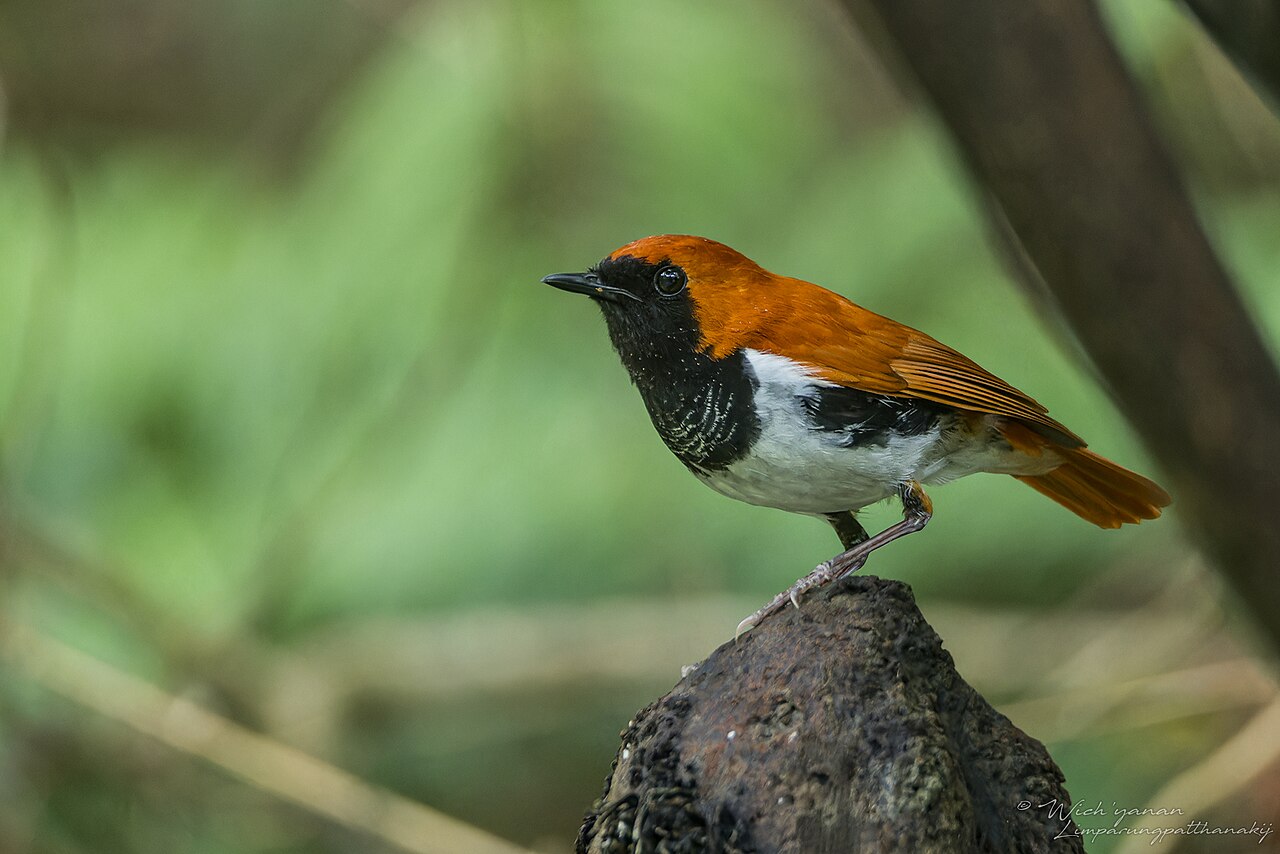
The Rwenzori turaco is a bird in the family Musophagidae. It is native to the Albertine Rift montane forests.
Region
Albertine Rift, East-Central Africa
Typical Environment
Occurs in montane evergreen and bamboo-forest belts from the Rwenzori and Virunga ranges through the Kivu highlands. Found in Uganda, the eastern Democratic Republic of the Congo, Rwanda, and Burundi. Prefers mature forest but also uses edges, secondary growth, and fruiting trees along ridgelines and valleys. Often moves along forested slopes and gullies where fruit is abundant.
Altitude Range
1500–3300 m
Climate Zone
Highland
Ease of Keeping
Beginner friendly: 2/5
This striking turaco is confined to the Albertine Rift’s high-elevation forests, where it glides between fruiting trees with flashes of crimson wings. Its brilliant green comes from turacoverdin, a rare true green pigment in birds. Loud, barking calls carry across valleys, and the species is an important seed disperser in montane ecosystems.

Temperament
social and active
Flight Pattern
short rapid wingbeats with gliding between trees
Social Behavior
Usually seen in pairs or family parties, sometimes small groups at fruiting trees. Monogamous; builds a flimsy stick platform nest high in foliage. Both parents incubate and feed the chicks, which are semi-precocial climbers using wing claws to move through branches.
Migratory Pattern
Resident
Song Description
Vocalizations are loud, barking, and hooting, often given in duets at dawn. Calls carry far across valleys, sounding like a series of resonant kow-kow notes with harsh cackles mixed in.
Plumage
Velvety emerald-green body with deep blue mantle and tail; crimson wing panels visible mainly in flight. Short, slightly tufted crest often dark with pale tips. Underwings rich crimson; tail glossy bluish.
Diet
Primarily eats a variety of wild fruits and berries, especially figs, supplemented by buds, flowers, and tender leaves. Occasionally takes small invertebrates incidentally while foraging among fruit. Plays a role in dispersing seeds across montane forests.
Preferred Environment
Forages in the mid- to upper canopy of montane forest and along edges where fruiting trees are accessible. Frequently visits isolated fruiting trees on ridges and in secondary growth near intact forest.