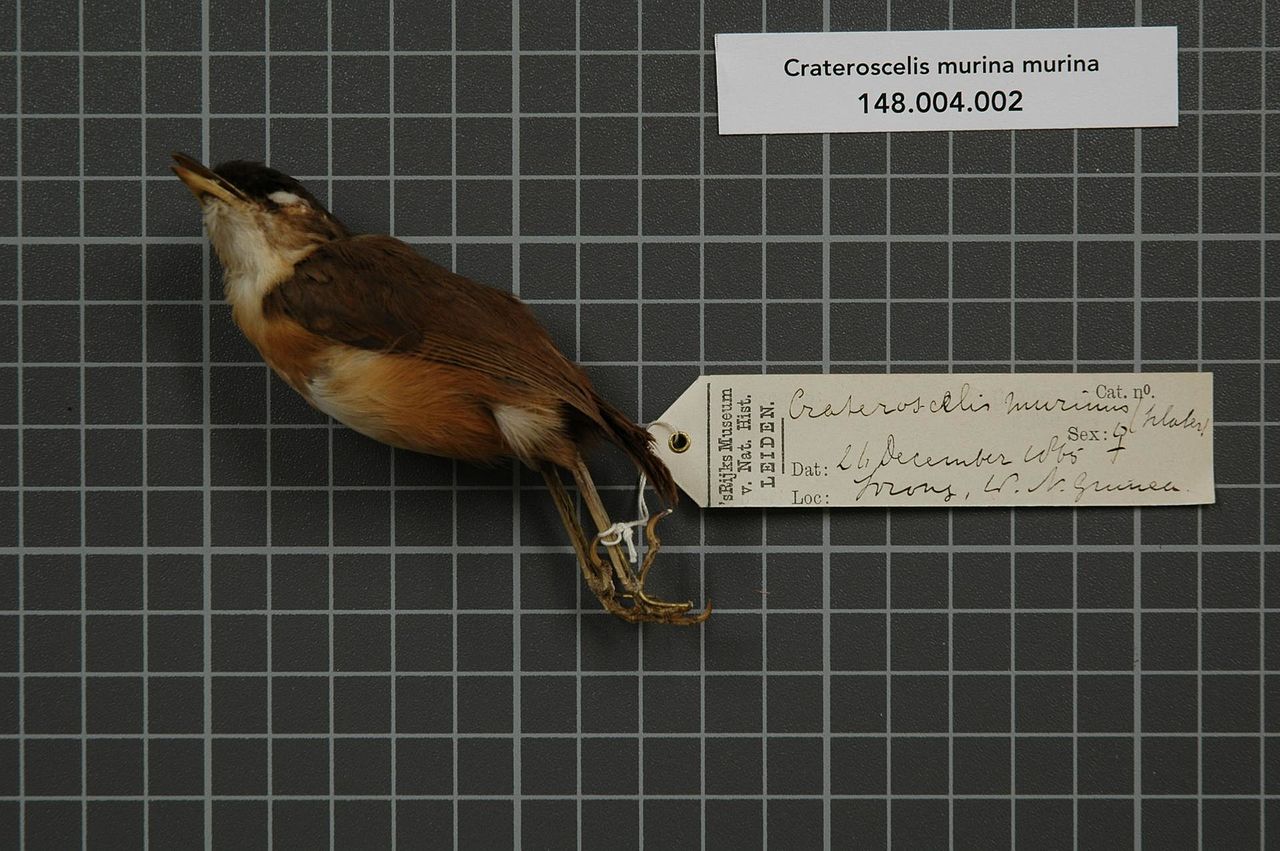
The rusty bush lark, also known as the rusty lark is a species of lark in the family Alaudidae found in the Sahel region of north-central Africa.
Region
Sahel belt of north-central Africa
Typical Environment
Occurs patchily across the Sahel from around eastern Mali and Niger through Chad to western Sudan and adjacent regions. It favors open, dry grasslands, sandy plains, fallow fields, and lightly grazed savanna with scattered low shrubs. Often found near acacia-dotted scrub and along tracks or field margins. Avoids dense woodland and tall continuous grass. Breeding is typically tied to seasonal rains when ground cover and insect prey increase.
Altitude Range
0–1500 m
Climate Zone
Arid
Ease of Keeping
Beginner friendly: 1/5
The rusty bush lark (also called rusty lark) is a small Sahelian lark adapted to hot, open country with sparse grass and shrubs. It often stays low and inconspicuous, running rather than flying, but males perform brief display flights during the breeding season. After rains, it takes advantage of insect booms and may move locally to track resources. Its overall warm rufous tones help it blend with Sahel soils.
Temperament
solitary and territorial
Flight Pattern
short rapid wingbeats with low, undulating flights
Social Behavior
Usually seen singly or in pairs, walking or running on the ground and flushing only at close range. Nests on the ground in a shallow cup concealed at the base of grasses or shrubs. Breeding is seasonal and generally follows rains; males give brief song flights and perch on low shrubs or stones to sing. Outside breeding, may form loose local aggregations where food is abundant.
Migratory Pattern
Resident
Song Description
Song is a short, tinkling series of trills and chirps delivered from a low perch or during a brief display flight. Calls include dry chips and soft tseep notes, often given when flushed. Vocalizations are modest in volume and can be overlooked among insect noise.
Plumage
Overall warm rufous to sandy-brown with fine darker streaking on the crown and mantle; underparts pale buff with faint breast streaks. Tail relatively short with darker central feathers and paler edges; small, sometimes raised crest. Feathers appear dry and sandy, matching arid substrates.
Diet
Feeds on a mix of grass and forb seeds along with small invertebrates such as ants, beetles, termites, and grasshoppers. Insects dominate during the wet season and when feeding chicks, while seeds are more important in the dry season. It forages by walking and picking items from the ground, occasionally scratching lightly to uncover food. Will exploit termite emergences after rains.
Preferred Environment
Open ground with sparse grass and low shrubs, including sandy flats, lightly grazed savanna, field margins, and tracks. Often forages along bare patches where seeds and insects are more visible. Uses low perches like stones or small shrubs to scan between feeding bouts.