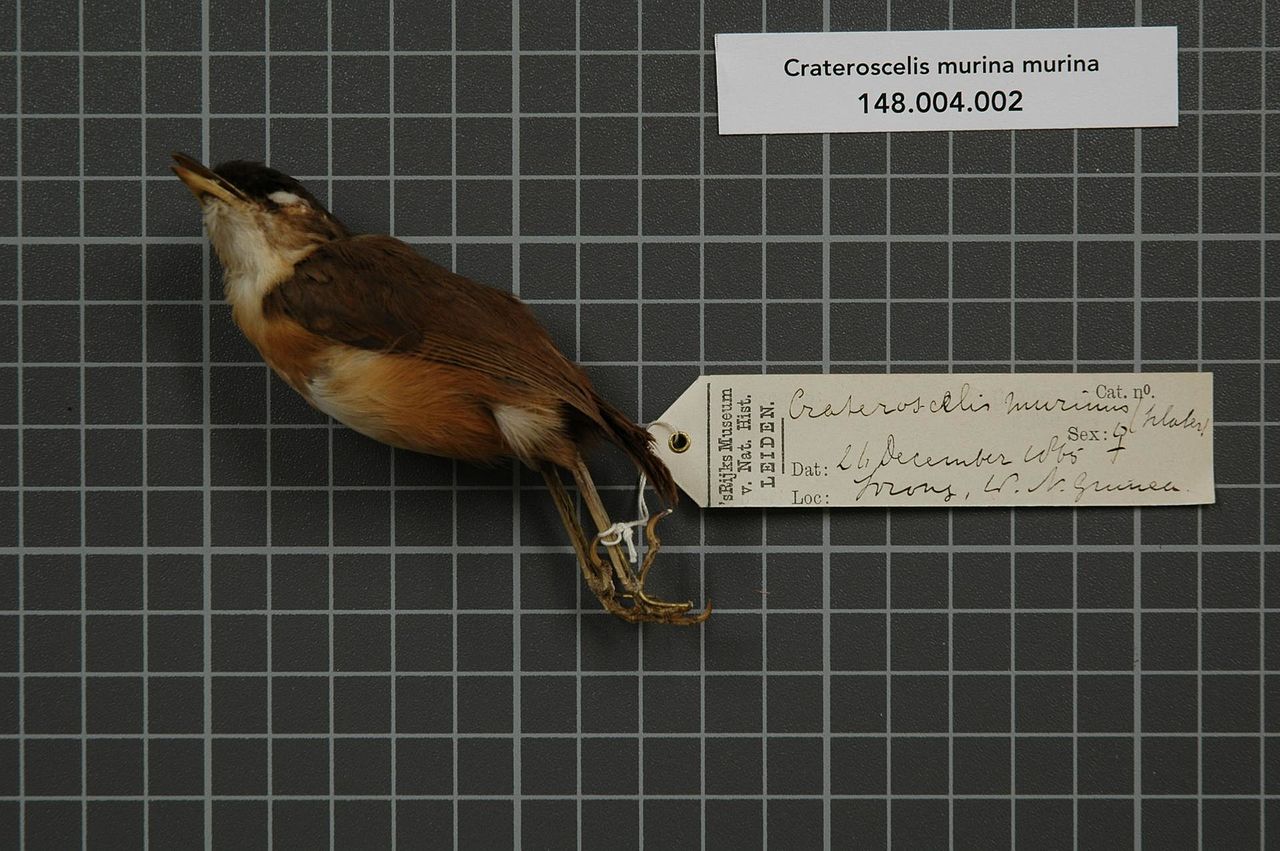
The rusty flowerpiercer is a species of bird in the family Thraupidae. It is found in Argentina, Bolivia, Colombia, Ecuador, Peru, and Venezuela.
Region
Andes Mountains
Typical Environment
Occurs along the Andes from Venezuela and Colombia south through Ecuador and Peru to Bolivia and northwestern Argentina. It favors montane forest edges, elfin forest, shrublands, Polylepis woodlands, second growth, and gardens with abundant flowering plants. Often seen in hedgerows and along roadsides where nectar sources are plentiful. It adapts well to semi-open habitats as long as flowering shrubs are present.
Altitude Range
1500–3800 m
Climate Zone
Highland
Ease of Keeping
Beginner friendly: 1/5
The rusty flowerpiercer is a small Andean tanager specialized for nectar robbing, using its slightly upturned, hooked bill to pierce the base of tubular flowers. It also takes small insects and occasionally fruit, often foraging in pairs or in mixed-species flocks along forest edges. Males are typically richer rufous than females, which are duller brownish-rufous. It is widespread in the northern and central Andes and generally common where suitable flowering shrubs are present.


Temperament
active and inquisitive
Flight Pattern
short rapid wingbeats
Social Behavior
Commonly forages in pairs or small family groups and frequently joins mixed-species flocks. Territories tend to center on rich flower patches, which males may defend. Nests are cup-shaped and placed in shrubs or low trees; the female does much of the building and incubation. Both parents typically feed the young.
Migratory Pattern
Partial migrant
Song Description
Vocalizations include thin, high-pitched tseet notes and a rapid, tinkling twitter. The song is a light, airy warble interspersed with buzzy elements, often delivered from a shrub top or while foraging.
Plumage
Overall rich rusty-rufous body with contrasting dusky to slate wings and tail; bill slightly upturned with a hooked tip typical of flowerpiercers. Males appear brighter and cleaner rufous; females are duller, more brownish-rufous with less contrast. Underparts are largely uniform rufous, with subtle variation among subspecies. The bird presents a compact posture and an active, perky demeanor.
Diet
Primarily consumes nectar obtained by piercing the base of flowers, often of tubular species, effectively nectar-robbing. Supplements its diet with small insects and spiders gleaned from foliage and taken in short sallies. Also takes small berries when available. Its specialized bill allows efficient access to nectar resources unavailable to many other passerines.
Preferred Environment
Feeds in flowering shrubs and small trees along forest edges, clearings, high-Andean scrub, and gardens. Often concentrates at abundant blooms such as in hedgerows and second growth. Foraging occurs from the understory to mid-canopy.