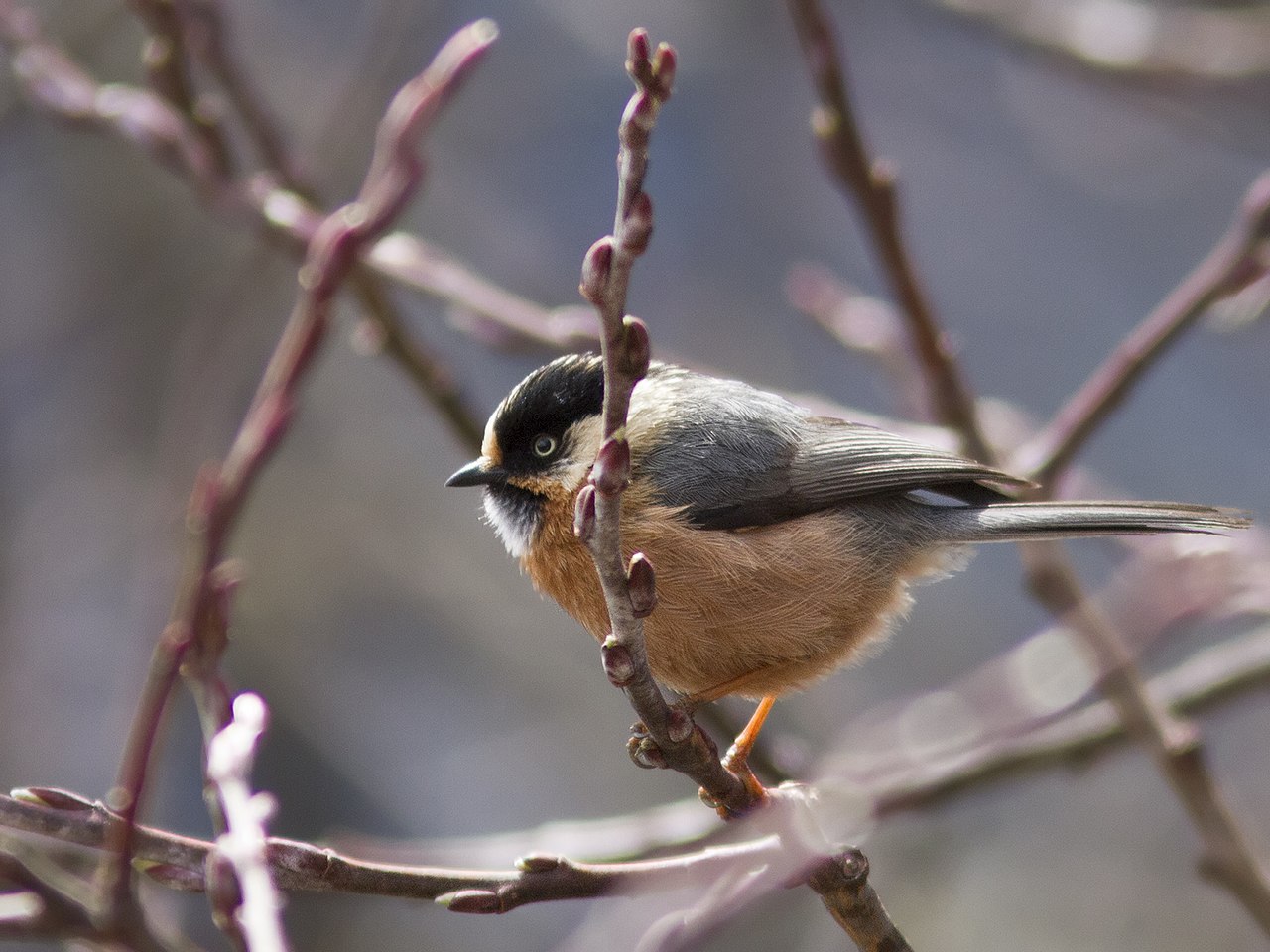
The rufous-fronted antthrush is a species of bird in the family Formicariidae. It is found in Bolivia, Brazil, and Peru.
Region
Western Amazon Basin
Typical Environment
Occurs in lowland evergreen forests of Peru, northwestern Bolivia, and far western Brazil (e.g., Acre). Prefers mature terra firme and well-drained mixed forests with deep leaf litter and dense understory. Typically keeps to shaded interior forest away from edges, but may use older secondary growth where structure is intact. Often detected by voice along quiet forest trails and near stream terraces.
Altitude Range
100–900 m
Climate Zone
Tropical
Ease of Keeping
Beginner friendly: 1/5
A shy, ground-dwelling antthrush of the western Amazon, it inhabits dense leaf litter where it walks and runs more than it flies. Its low, far-carrying whistles are often the best clue to its presence. It occasionally attends army-ant swarms to snatch flushed arthropods, but also forages independently along quiet forest floors.
Temperament
solitary and territorial
Flight Pattern
short rapid wingbeats; reluctant flier that mostly runs on the ground
Social Behavior
Usually seen alone or in pairs, patrolling a ground territory through dense understory. Nests are placed low or near the ground, often domed or well hidden in banks or root tangles. Pairs maintain contact by voice and may duet softly when near each other.
Migratory Pattern
Resident
Song Description
A series of low, resonant, far-carrying whistles given at measured intervals, often at dawn or in calm conditions. Calls include soft clucking notes and sharp contact whistles from the understory.
Plumage
Compact, short-tailed antthrush with warm brown upperparts and buffy underparts; forehead and forecrown distinctly rufous. Face dusky with darker ear coverts, throat paler, and subtle contrast across the breast. Feathers appear smooth and plain without bold spotting, suited to camouflage on the forest floor.
Diet
Feeds primarily on arthropods such as beetles, ants, spiders, and other leaf-litter invertebrates. Will opportunistically take small vertebrates like tiny frogs when encountered. Often captures prey by sallying short distances or picking from leaf litter and rotten wood.
Preferred Environment
Forages on the shaded forest floor, especially in deep leaf litter and among buttress roots and fallen branches. Sometimes attends army-ant swarms to take flushed prey but also forages independently along quiet forest trails and stream edges.