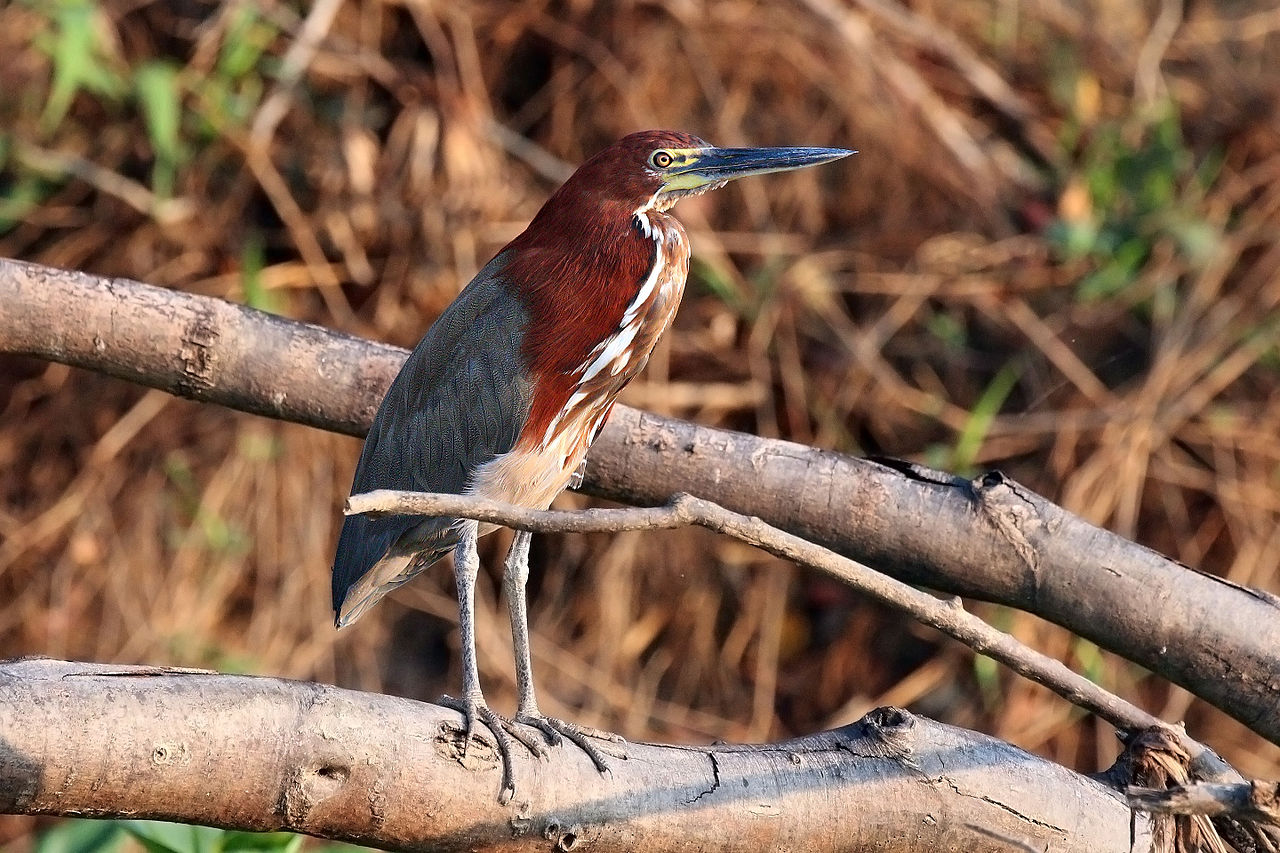
The rufescent darkeye, also known as the bicoloured white-eye, is a species of bird in the family Zosteropidae. It is monotypic within the genus Tephrozosterops. It is endemic to the island of Seram in Indonesia. Its natural habitats are subtropical or tropical moist lowland forest and subtropical or tropical moist montane forest.
Region
Maluku Islands (Wallacea)
Typical Environment
Found across Seram Island in evergreen lowland and hill forests as well as montane mossy forest. It frequents forest edges, secondary growth, and tall roadside vegetation where canopy and midstory are intact. The species typically forages in small groups and often accompanies mixed-species flocks in the middle to upper strata. Occasional visits to fruiting trees and flowering shrubs bring it into more open situations near forest margins.
Altitude Range
0–2000 m
Climate Zone
Tropical
Ease of Keeping
Beginner friendly: 1/5
Also called the bicoloured white-eye, this species is the sole member of its genus, reflecting its distinctive appearance among white-eyes. It is restricted to the island of Seram in Indonesia, where it occupies both lowland and montane forests. It often joins mixed-species foraging flocks, which helps it find food and avoid predators.

Temperament
social and active
Flight Pattern
short rapid wingbeats with agile, darting movements
Social Behavior
Typically seen in small, vocal parties that move quickly through foliage and often join mixed-species flocks. During breeding, pairs build small cup nests in shrubs or tree forks and both parents participate in incubation and feeding. Outside the breeding season, flocks may expand and range widely through suitable habitat.
Migratory Pattern
Resident
Song Description
A thin, high-pitched series of twitters and trills interspersed with soft chips. Calls are rapid and conversational, keeping groups in contact as they forage.
Plumage
Two-toned plumage with darker upperparts and paler underparts; feathers are smooth and sleek. Upperparts are olive-brown to gray-brown with a warm rufous wash on the face and flanks. Underparts are pale gray to whitish, with the contrast most evident on the throat and belly. Lacks the prominent white eye-ring typical of many white-eyes, giving a dark-eyed look.
Diet
Feeds on small insects and other arthropods gleaned from leaves and twigs, often probing clusters of foliage. Also takes soft fruits and berries and will sip nectar from blossoms when available. This flexible diet allows it to exploit seasonal food peaks at fruiting or flowering trees.
Preferred Environment
Forages mainly in the midstory to canopy of humid forest, along edges, and in secondary growth. Frequently associates with mixed-species flocks to increase foraging efficiency and vigilance. Will visit fruiting trees in semi-open areas near forest margins.