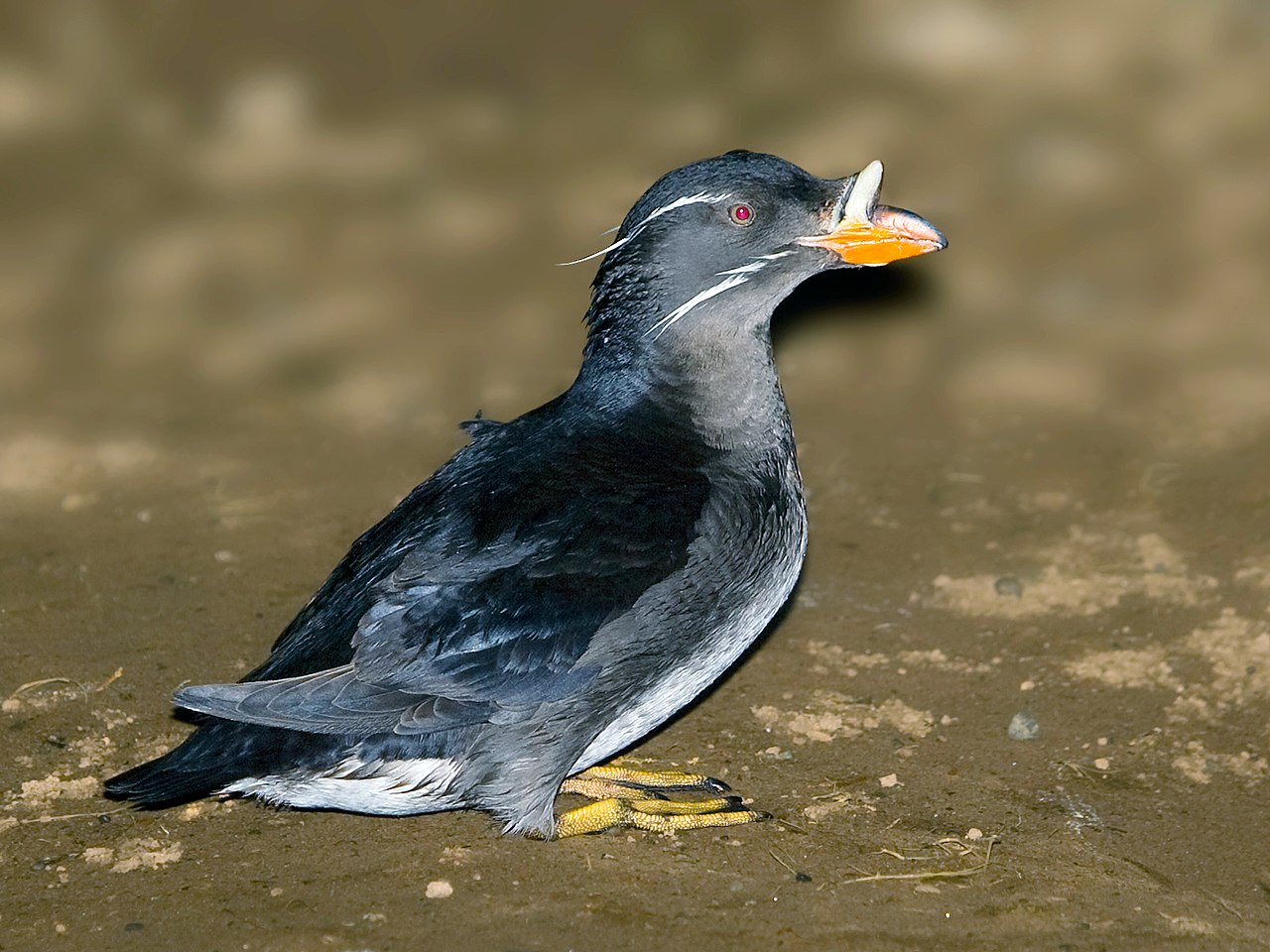
The Réunion rail, also known as Dubois' wood-rail, is an extinct rail species which was endemic to the Mascarene island of Réunion. The scientific name commemorates French poet Auguste de Villèle (1858-1943) whose interest in the history of Réunion and hospitality made it possible for numerous naturalists to discover and explore the caves of Réunion.
Region
Mascarene Islands, western Indian Ocean
Typical Environment
Historically restricted to forested habitats on Réunion, especially dense understorey in native humid and montane forests. It likely foraged along forest floors, damp ravines, and edges of marshy clearings. Subfossil evidence suggests a bird adapted to terrestrial life with limited flight. After human arrival, remaining populations may have persisted in remote upland forests before disappearing.
Altitude Range
0–1800 m
Climate Zone
Tropical
Ease of Keeping
Beginner friendly: 1/5
Also called Dubois' wood-rail, this extinct rail was confined to Réunion in the Mascarene Islands. The specific epithet augusti commemorates French poet Auguste de Villèle for his support of naturalists exploring Réunion’s caves, where subfossil material was found. It likely declined rapidly after human settlement due to habitat loss and introduced predators. Little was recorded in life, but its habits were probably similar to other forest rails.
Temperament
solitary and secretive
Flight Pattern
weak flier with short rapid wingbeats
Social Behavior
Rails are typically territorial on the ground, and this species likely maintained small home ranges in dense forest. Nesting probably occurred close to the ground in concealed vegetation, with both parents attending the brood. Pairs may have been monogamous for at least a season, as in related rails.
Migratory Pattern
Resident
Song Description
Presumed to have given sharp clucks, grunts, and squeals typical of rails, carrying through dense vegetation. Calls likely served for pair contact and territory defense during dawn and dusk.
Plumage
Likely rufous-brown upperparts with greyer underparts and fine barring on the flanks, typical of forest rails. Feathers would have been soft and cryptic to blend with leaf litter.
Diet
An opportunistic omnivore, taking insects, snails, worms, and other small invertebrates found in leaf litter. It likely supplemented its diet with fallen fruits, seeds, and occasional small vertebrates. Foraging behavior would have involved probing and flicking through debris on the forest floor.
Preferred Environment
Feeds primarily on the ground in shaded, damp forest understorey, along stream margins, and in thicketed ravines. May have ventured to wet edges of marshy openings after rains when invertebrates are abundant.