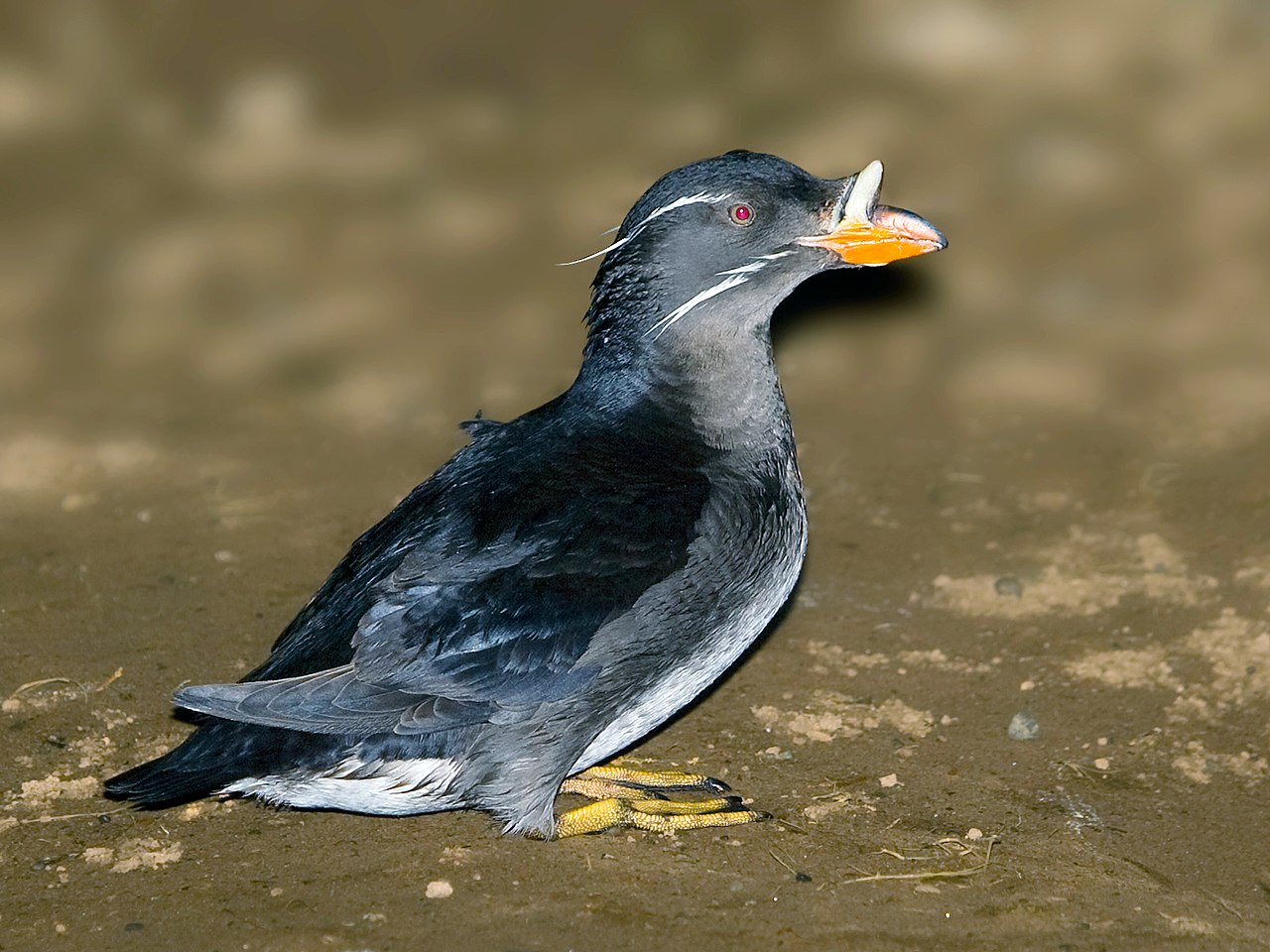
The Réunion night heron is an extinct species of heron formerly occurring on the Mascarene island of Réunion.
Region
Mascarene Islands, western Indian Ocean
Typical Environment
Endemic to Réunion, it would have occupied riparian zones, marshes, and coastal wetlands, as well as forested valleys with running water. Like other night herons, it likely foraged along streams, estuaries, and rocky shorelines at low tide. Nesting would have occurred in dense vegetation or trees near water, where disturbance was minimal. Habitat degradation in lowland wetlands and predation likely reduced its range rapidly after human arrival.
Altitude Range
Sea level to 1000 m
Climate Zone
Tropical
Ease of Keeping
Beginner friendly: 1/5
The Réunion night heron is an extinct species of heron formerly occurring on the Mascarene island of Réunion. It was likely pushed to extinction in the 17th–18th centuries following human settlement, hunting, and the introduction of predators such as rats and cats. Known mainly from historical accounts and limited remains, it was probably a nocturnal or crepuscular hunter like other night herons.
Temperament
solitary and secretive
Flight Pattern
strong flier
Social Behavior
Night herons typically roost quietly by day and become active at dusk, and this species likely followed that pattern. Breeding probably occurred in small colonies or loose groups in trees or dense shrubs near water. Both parents would have shared incubation and chick-rearing duties, as in other Nycticorax.
Migratory Pattern
Resident
Song Description
Likely gave the harsh, barking or croaking calls typical of night herons, especially in flight or at dusk. Vocalizations would have been brief, carrying well over wetlands at night.
Plumage
unknown
Diet
It probably fed on small fish, crustaceans, aquatic insects, and amphibians taken in shallow water. Like other night herons, it would have used a stand-and-wait technique at the water’s edge. Opportunistic predation on small reptiles or invertebrates on shore is also plausible.
Preferred Environment
Foraging would have occurred along stream margins, marsh edges, estuaries, and tidal pools. It likely hunted from perches or by wading slowly in shallow water under low light.