The Réunion ibis or Réunion sacred ibis is an extinct species of ibis that was endemic to the volcanic island of Réunion in the Indian Ocean. The first subfossil remains were found in 1974, and the ibis was first scientifically described in 1987. Its closest relatives are the Malagasy sacred ibis, the African sacred ibis, and the straw-necked ibis. Travellers' accounts from the 17th and 18th centuries described a white bird on Réunion that flew with difficulty and preferred solitude, which was subsequently referred to as the "Réunion solitaire".
Region
Mascarene Islands, western Indian Ocean
Typical Environment
Confined to Réunion, it likely occupied lowland wetlands, river mouths, marshes, and coastal plains where soft substrates allowed probing for prey. It probably foraged in wet meadows, along stream margins, and around shallow pools on volcanic substrates. Open woodland edges and riparian corridors would have provided roosting and nesting sites while keeping close to feeding areas. The species’ extremely restricted island range made it highly vulnerable to human pressures.
Altitude Range
Sea level to 1000 m
Climate Zone
Tropical
Ease of Keeping
Beginner friendly: 1/5
The Réunion ibis was a large, white ibis endemic to Réunion in the Mascarene Islands and is now extinct. Early travelers described a solitary, wary bird that flew with difficulty, which led to the historical nickname “Réunion solitaire.” Subfossil remains discovered in the 1970s confirmed it was an ibis closely related to the African and Malagasy sacred ibises. It likely vanished by the early 18th century due to hunting and introduced predators.


Roelant Savery painting with a whitish dodo in the lower right, 1611


Hermann Schlegel's 1854 ibis or stork-like restoration, based on Dubois' description instead of as a dodo
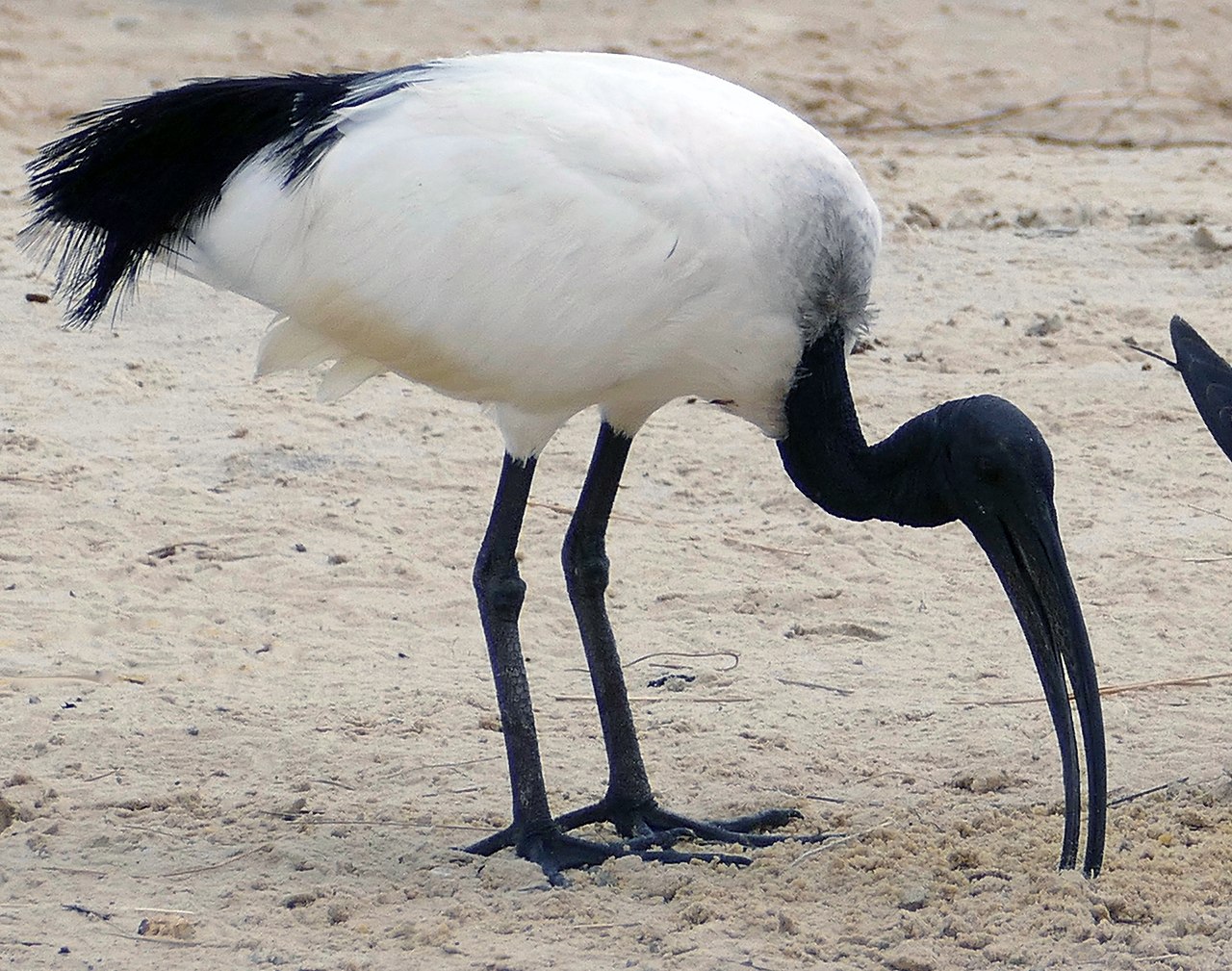
The Réunion ibis is said to have fed from soil, like this African sacred ibis

Mountains on Réunion; this bird may have become confined to higher areas after the arrival of humans and their introduced animals.
Temperament
solitary and wary
Flight Pattern
short, labored flights with steady flapping; reluctant to fly long distances
Social Behavior
Historical accounts suggest it foraged alone or in very small parties. Like its relatives, it likely formed pairs during the breeding season and nested in secluded wetland sites, possibly in low trees or dense marsh vegetation. Parental care would have involved both adults tending the young.
Migratory Pattern
Resident
Song Description
Not melodious; produced croaks, grunts, and nasal calls typical of ibises. Vocalizations were used at roosts and during breeding displays rather than for long-distance song.
Plumage
Mostly white with contrasting black flight feathers; sleek body plumage with bare skin on the head and upper neck typical of ibises.
Diet
It likely fed on aquatic and terrestrial invertebrates such as insects, worms, crustaceans, and mollusks. It may also have taken small fish, amphibians, and other small vertebrates opportunistically. Foraging was by probing soft mud and shallow water with its long, sensitive bill, gleaning prey by touch.
Preferred Environment
Edges of marshes, riverbanks, and shallow pools where soft substrates were exposed. It also foraged in wet meadows and coastal flats, especially after rains or seasonal flooding.