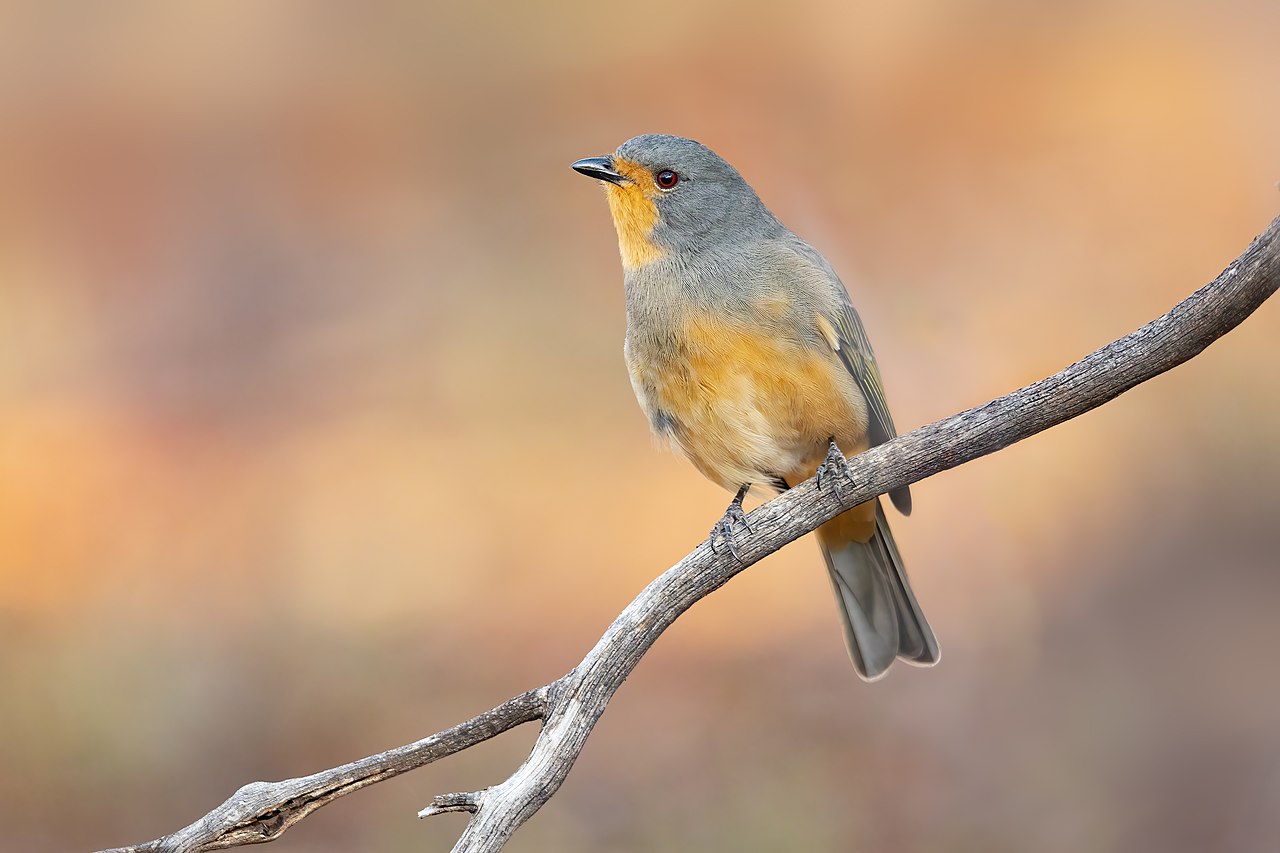
The red-legged tinamou or red-footed tinamou, is a ground-dwelling bird found in the tropics and lower subtropics of northern South America.
Region
Northern South America
Typical Environment
Prefers lowland evergreen and semi-deciduous forests with dense understory, including terra firme, gallery forests, and well-grown secondary woodland. Often forages along forest edges, old clearings, and shaded plantations where leaf litter accumulates. It tends to avoid open grasslands and heavily disturbed areas, seeking cover for security. Proximity to watercourses and fruiting trees increases local occurrence. It remains largely terrestrial, retreating to dense cover when disturbed.
Altitude Range
0–1200 m
Climate Zone
Tropical
Ease of Keeping
Beginner friendly: 2/5
Tinamous are among the most ancient living birds, related to ratites, yet capable of short bursts of flight. In this species, males incubate glossy, colorful eggs laid by multiple females and then care for the chicks. Its presence is often betrayed by low, mournful whistles at dawn and dusk rather than by sight. It is shy and keeps to dense understory, flushing only when closely approached.


Temperament
secretive and wary
Flight Pattern
short rapid wingbeats
Social Behavior
Usually solitary or in pairs, occasionally in small family groups. Nests are shallow scrapes concealed in dense cover on the ground. Males incubate clutches composed of eggs from multiple females and lead precocial chicks after hatching. Territories are advertised by persistent vocalizations at crepuscular hours.
Migratory Pattern
Resident
Song Description
A series of low, mournful whistles that carry far through the forest, often ventriloquial and given at dawn and dusk. Calls may consist of spaced, descending notes that accelerate slightly before fading.
Plumage
Warm brown to rufescent upperparts with fine dark barring and mottling; underparts paler rufous-brown with subtle vermiculations; throat buff; crown and nape grayish-brown.
Diet
Feeds on fallen fruits and seeds gleaned from the forest floor, supplementing with insects, spiders, and other small invertebrates. Will take tender shoots and soft plant matter when available. Forages methodically by picking and scratching through leaf litter, swallowing small fruits whole and passing seeds. Opportunistic near fruiting trees and along trails where food accumulates.
Preferred Environment
Dense leaf litter under closed-canopy forest, thickets, and lightly disturbed second growth with ample cover. Also uses shaded plantations and forest edges where cover remains continuous.