

The red kite is a bird of prey in the family Accipitridae, which also includes many other diurnal raptors such as eagles, buzzards, and harriers. The species currently breeds only in Europe, though it formerly also bred in west Asia and northwest Africa. Historically, it was only resident in the milder parts of its range in western Europe and northwestern Africa, whereas all or most red kites in northern mainland Europe wintered to the south and west, some also reaching western Asia, but an increasing number of northern birds now remain in that region year-round. Vagrants have reached north to Finland and south to Palestine, Libya and Gambia.
Region
Europe
Typical Environment
The red kite breeds across much of western and central Europe, with strongholds in the Iberian Peninsula, France, Germany, and the UK, and scattered populations eastward. It favors a mosaic of open farmland, pasture, and mixed woodland, often near human-modified landscapes. Many northern and central European birds move southwest in winter to milder regions, while western populations can be resident. Former breeding occurred in parts of North Africa and western Asia, and vagrants occasionally reach farther afield.
Altitude Range
Sea level to 1800 m
Climate Zone
Temperate
Ease of Keeping
Beginner friendly: 1/5
The red kite is a graceful raptor known for its deeply forked tail and buoyant, tilting flight. Once persecuted and scarce in parts of its range, it has rebounded thanks to strong legal protection and reintroduction programs, notably in the United Kingdom. It is an opportunistic feeder that often scavenges carrion and roadkill, helping to clean up the countryside.


Red Kite at Bwlch Nant yr Arian, Wales, a local feeding ground.

Leucistic form

A red kite skull

Red kite, falconry Adlerwarte Obernberg am Inn, Upper Austria
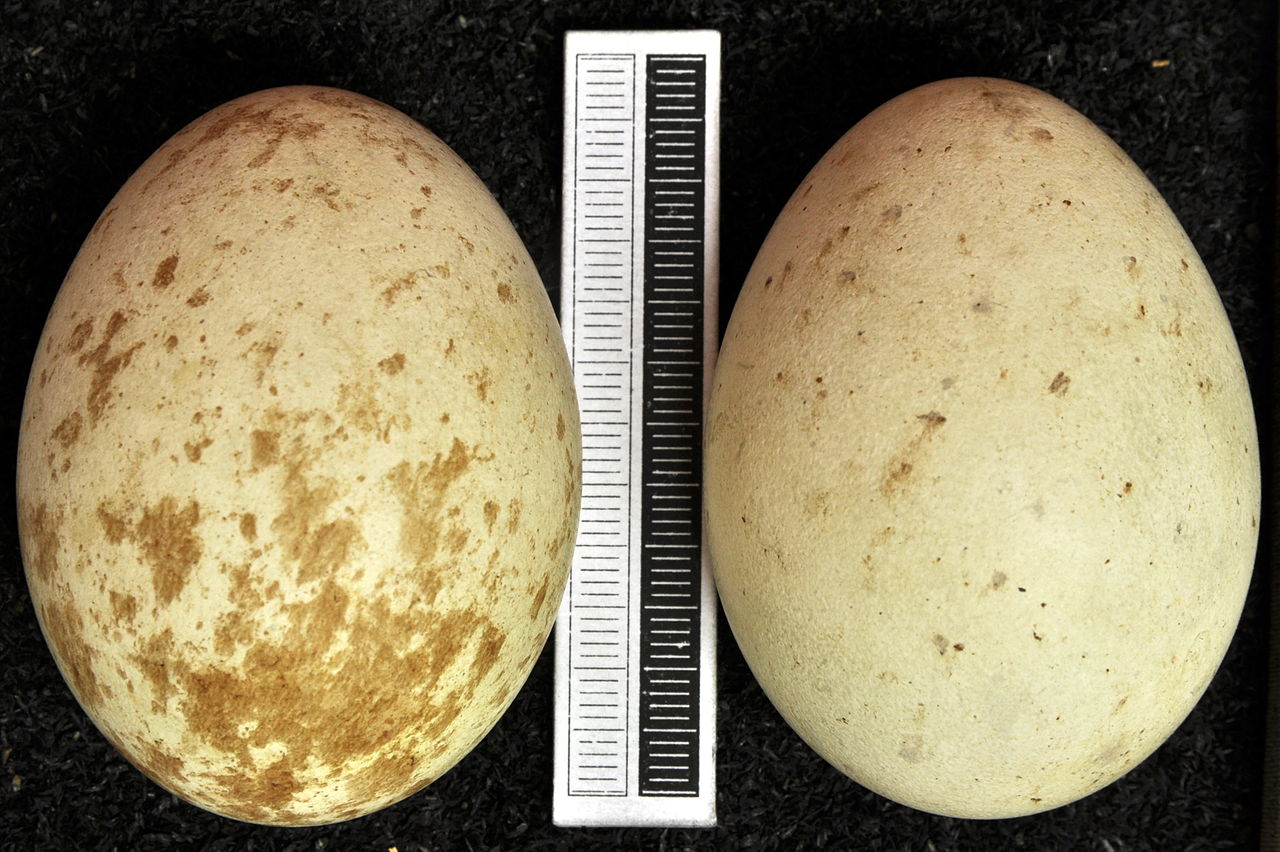
Eggs in the natural history collection of the Museum Wiesbaden, Germany

Juveniles at nest, Berlin

Side view of adult, Wales

Red kite in flight in Gredos Mountains, Avila, Spain

Red kite, Gigrin Farm, Wales

Red kites at the feeding station, Laurieston, Glasgow, Scotland.

A young red kite in Cookham, Berkshire.
Temperament
social and active
Flight Pattern
soaring glider with buoyant, tilting flight and occasional lazy wingbeats
Social Behavior
Outside the breeding season, red kites often gather at communal roosts and will forage in loose groups where food is abundant. Pairs are typically monogamous and nest in tall trees, often reusing and refurbishing stick nests. Clutches usually contain 1–3 eggs, and both adults provision the young.
Migratory Pattern
Partial migrant
Song Description
Calls are thin, whistling and mewing notes, often given in flight. During display, it produces a wavering, drawn-out whistle interspersed with sharper yelps.
Plumage
Rich rufous body with pale streaking, greyish streaked head, and contrasting black wing tips with prominent pale panels. Long, narrow wings and a very deeply forked tail, often twisted in flight.
Diet
Primarily a scavenger of carrion, including roadkill and livestock remains. It also takes small mammals such as voles, small birds, earthworms, and large insects. It may pirate food from other birds and occasionally snatches surface items without landing. Human refuse and supplementary feeding at roosts or feeding stations are readily exploited.
Preferred Environment
Feeds over open countryside, farmland, pastures, and woodland edges, often quartering low with the tail twisting to adjust course. Roadsides, landfill sites, and fields freshly worked by farmers are commonly used for foraging.


