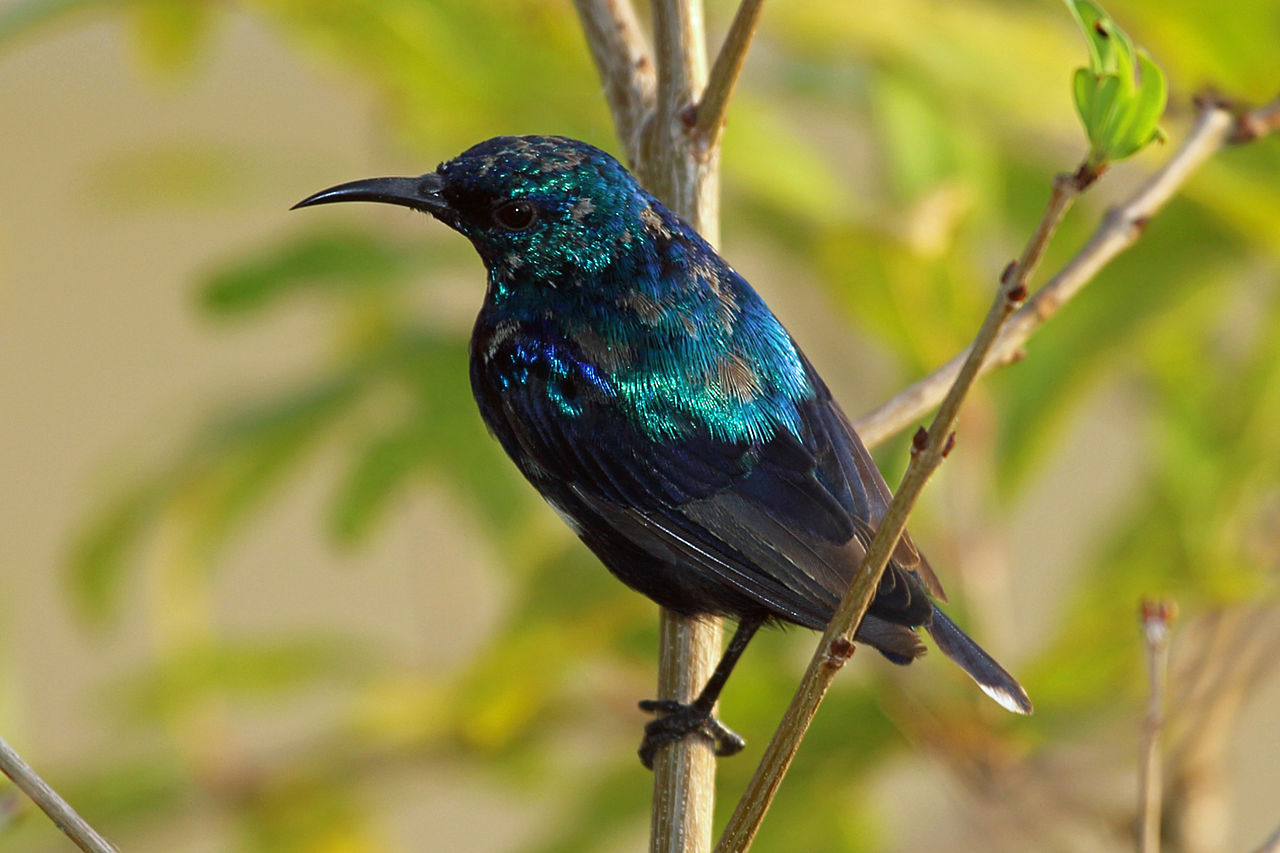
The Pemba scops owl is a species of owl in the family Strigidae. It is endemic to Pemba Island which is part of and off the coast of Tanzania.
Region
Zanzibar Archipelago, East African coast
Typical Environment
Confined to Pemba Island, where it inhabits coastal evergreen forest, coral-rag thickets, and well-wooded plantations such as clove and fruit orchards. It favors areas with mature trees that provide cavities for nesting and dense foliage for daytime roosts. The species also uses secondary growth and forest edges, especially near clearings and tracks where prey activity is higher. It is most frequently encountered in protected forest blocks like the Ngezi Forest Reserve.
Altitude Range
Sea level to 100 m
Climate Zone
Tropical
Ease of Keeping
Beginner friendly: 1/5
This small scops-owl is found only on Pemba Island off the coast of Tanzania. It typically occurs in natural forest and wooded plantations, roosting low in dense foliage and hunting quietly at night. Like many scops-owls, it shows rufous and grey-brown color morphs that blend well with tree bark. Ongoing habitat loss on Pemba makes its restricted population a conservation concern.

Temperament
solitary and territorial
Flight Pattern
short rapid wingbeats with silent, low flights through cover
Social Behavior
Generally encountered singly or in pairs, maintaining territories in forested habitats. Pairs are presumed monogamous, nesting in natural cavities or old woodpecker holes. Roosts by day in dense foliage or tangles, relying on camouflage and immobility to avoid detection.
Migratory Pattern
Resident
Song Description
The voice is a simple, soft series of hoots or whistles, often a repeated single note given at regular intervals. Males call persistently at night to advertise territory and contact mates, with calls carrying well in still forest air.
Plumage
Compact scops-owl with cryptic, bark-like patterning; occurs in rufous and grey-brown morphs with fine streaking and mottling. Facial disc is well defined with a darker rim, and small ear tufts are usually visible. Underparts are lightly streaked and barred, aiding camouflage against trunks and branches.
Diet
Primarily takes large insects such as beetles, moths, crickets, and grasshoppers. It occasionally captures small vertebrates like geckos or small frogs when available. Prey is taken by perch-and-pounce hunting, gleaned from foliage, or snatched from the ground and low branches.
Preferred Environment
Hunts along forest edges, trails, and gaps where insect activity is concentrated. Also forages within midstory and understory of mature forest and in wooded plantations, especially near fruiting trees that attract insects.