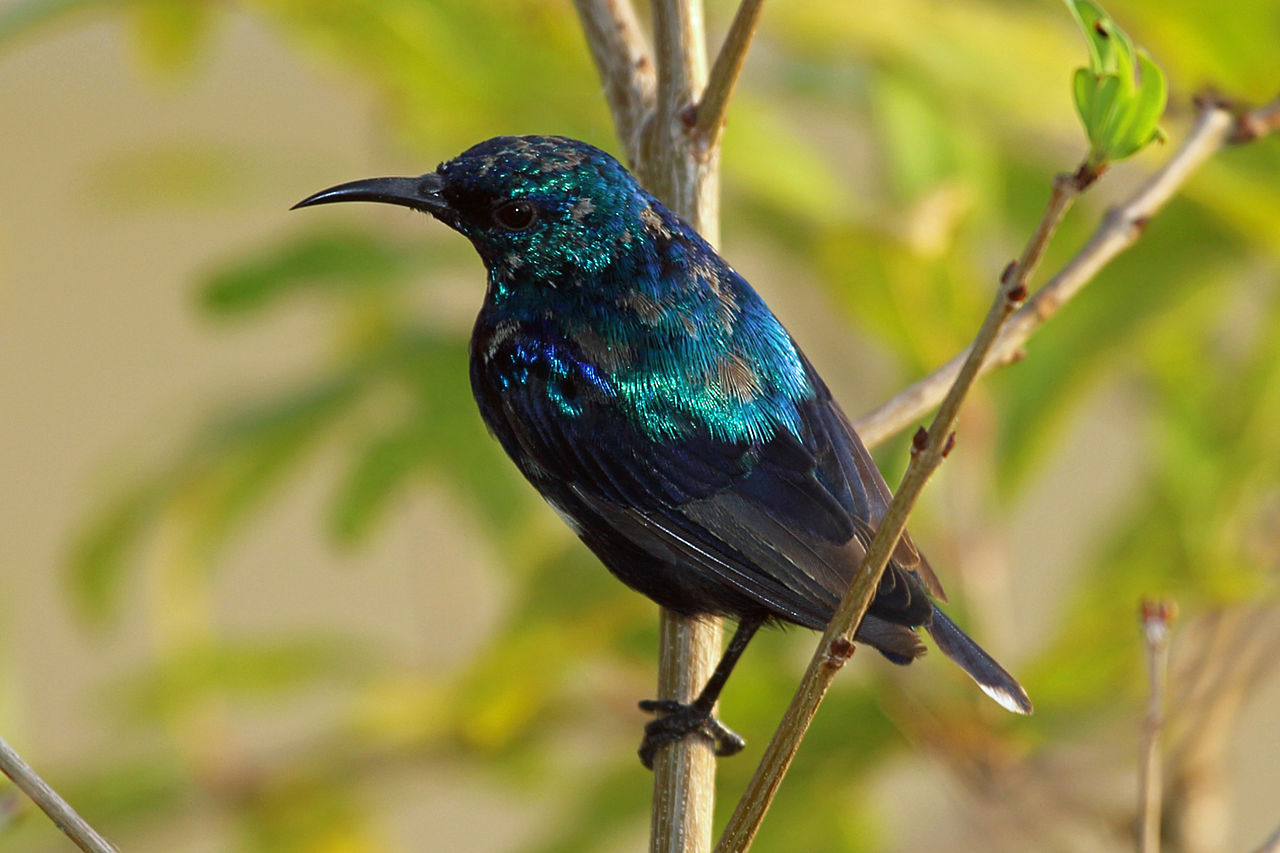
Pelzeln's tody-tyrant is a species of bird in the family Tyrannidae, the tyrant flycatchers. It is found in Brazil, Suriname, and Venezuela.
Region
Guianan Shield and northern Amazon Basin
Typical Environment
Occurs in lowland tropical forests of northern South America, including northern Brazil, eastern and southern Venezuela, and Suriname, with near-range continuity into adjacent Guianan areas. Prefers the shaded understory of terra firme and seasonally flooded forests, as well as edges, vine tangles, and dense secondary growth. Often found along streams, forest gaps, and thickets where visibility is limited. Its presence is typically detected by voice rather than sight due to its secretive behavior.
Altitude Range
Sea level to 800 m
Climate Zone
Tropical
Ease of Keeping
Beginner friendly: 1/5
Named for Austrian ornithologist August von Pelzeln, this tiny tyrant flycatcher is more often heard than seen due to its soft, high-pitched calls and skulking habits. It favors dense understory tangles where its plain, olive tones provide excellent camouflage. Pairs often keep in quiet contact and may join mixed-species flocks in the forest understory.


Temperament
shy and skulking
Flight Pattern
short rapid wingbeats with brief, low dashes between tangles
Social Behavior
Typically seen singly or in pairs maintaining close contact calls in dense understory. Will sometimes accompany mixed-species flocks at lower levels. Nests are thought to be small, domed or purse-like structures placed low in dense vegetation; clutches are small.
Migratory Pattern
Resident
Song Description
A series of thin, high-pitched whistles and tseet notes delivered at a measured pace, often repeated from a concealed perch. Calls are soft but carry in quiet forest conditions and are key to locating the bird.
Plumage
Plain, olive- to grayish-olive upperparts with slightly paler underparts washed yellowish on the belly; subtle, narrow wingbars and a faint pale eye area. The tail is short and the head appears relatively large, with a compact, broad-based bill.
Diet
Feeds primarily on small insects and other arthropods gleaned from leaves, twigs, and vine tangles. Employs short sallies and sally-gleans to snatch prey from low foliage. Occasionally hawks very short distances to intercept flying insects. Foraging is methodical and close to cover.
Preferred Environment
Dense, shaded understory in primary and secondary forest, especially near edges, along streams, and in vine or bamboo thickets. Often keeps within 0.5–3 meters above ground where cover is thick.