The pectoral-patch cisticola is a species of bird in the family Cisticolidae. It is native to the Adamawa Massif, Gabon, the Congo and highlands of East Africa. Its natural habitats are damp or wet areas in upland grassland.
Region
Central and East African Highlands
Typical Environment
Most often found in damp or seasonally wet upland grasslands, including marshy valley bottoms, wet meadows, and sedge- or rush-dominated areas. It also uses edges of cultivation and fallow fields where grasses remain tall and dense. Nests are typically placed low in tussocky grass or reeds, where cover is thick. The species favors mosaic landscapes with a mix of wet patches and drier, grassy slopes, so long as continuous ground cover is available.
Altitude Range
800–2600 m
Climate Zone
Highland
Ease of Keeping
Beginner friendly: 1/5
The pectoral-patch cisticola is a small African warbler named for the dark patches that males show on the sides of the chest in breeding plumage. It inhabits damp, upland grasslands from the Adamawa Massif through Gabon and the Congo to the highlands of East Africa. Like many cisticolas, it performs display flights while giving an insect-like, repetitive song.


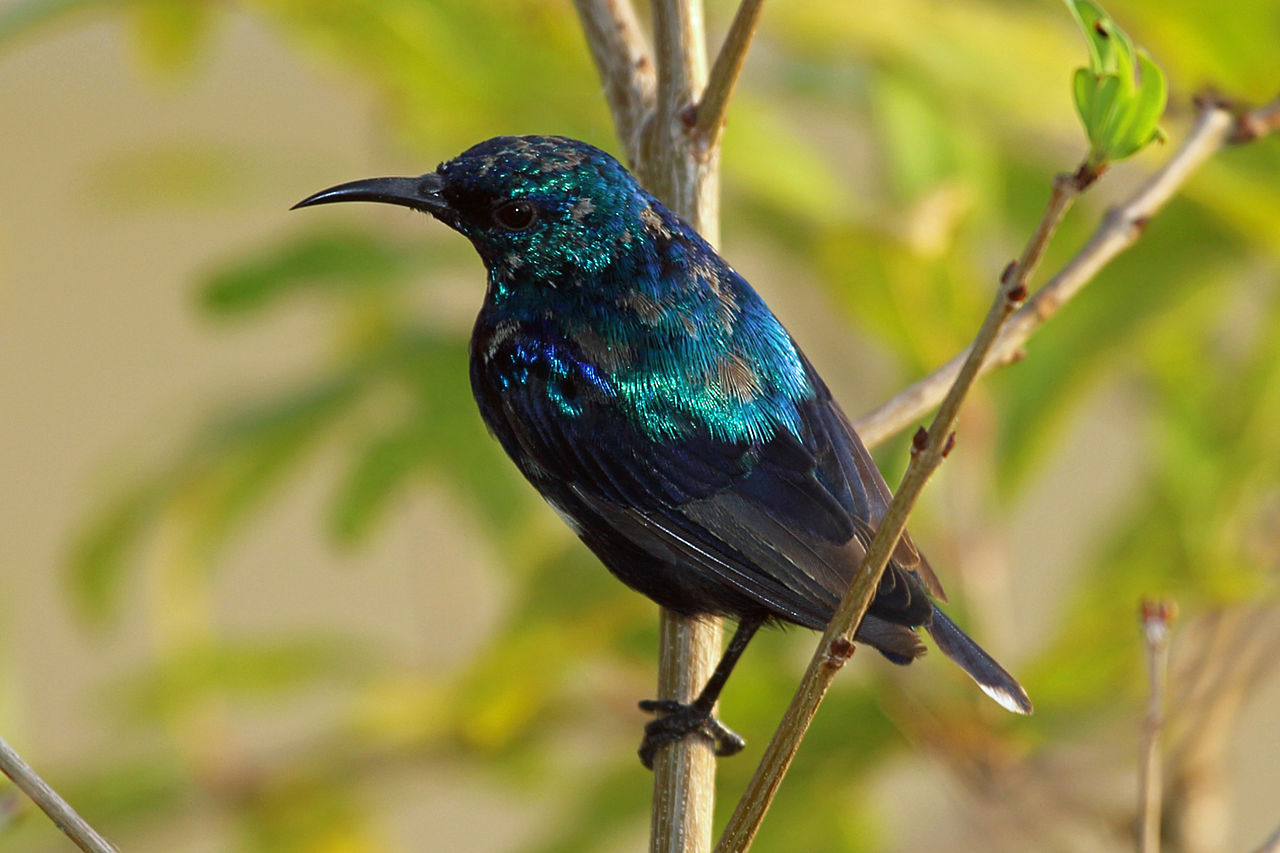
Pectoral-patch cisticola, Debre Berhan, Ethiopia, showing the pectoral patches.
Temperament
solitary and territorial
Flight Pattern
short rapid wingbeats with fluttering display flights
Social Behavior
Typically found singly or in pairs, defending small territories within suitable grassland. The male performs song flights and may display from prominent grass stems. Nest is a neat, domed structure woven from grasses and plant fibers, placed low in dense vegetation. Pairs generally remain on territory through the year where habitat persists.
Migratory Pattern
Resident
Song Description
Song is a repetitive, insect-like series of thin chips and trills delivered from a perch or in a brief song flight. Calls include sharp ticks and soft tsip notes used to maintain contact in dense cover.
Plumage
Upperparts brown to rufous-brown with fine streaking; underparts buffy to grayish, with males in breeding condition showing darker pectoral patches on the sides of the chest. Crown and nape often warmer rufous, with a paler throat and belly. Tail is relatively long and often held cocked, with faintly graduated tips.
Diet
Feeds primarily on small insects and other arthropods, including beetles, grasshoppers, spiders, and caterpillars. Forages by gleaning from grass stems and leaves and by making short sallies to capture disturbed prey. Occasionally picks prey from the ground in damp spots where invertebrates are abundant.
Preferred Environment
Tall, dense grasses and sedges in wet or seasonally flooded uplands provide cover for low foraging. Often feeds along edges of marshy patches and in rank fallow fields where insects concentrate.