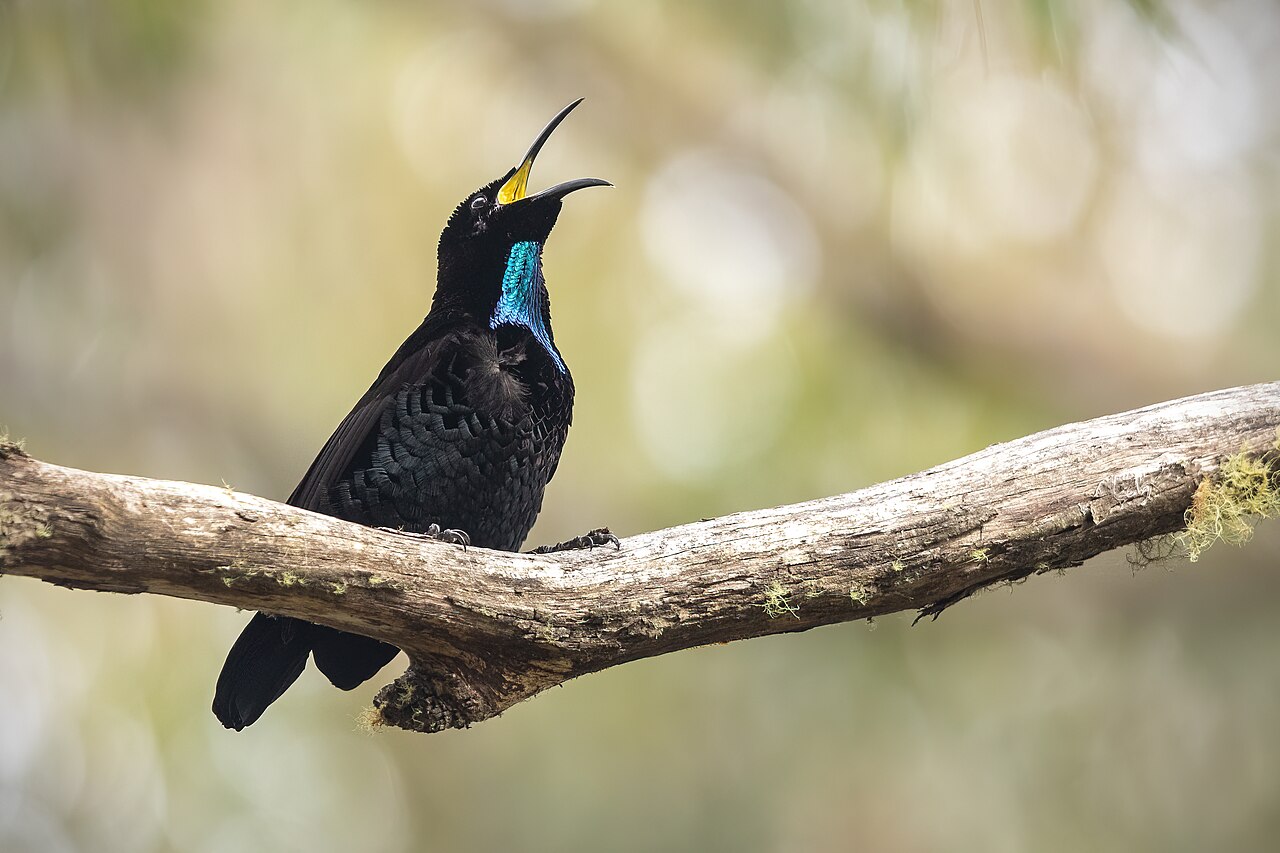
The Para gnatcatcher or Klages's gnatcatcher is a species of bird in the family Polioptilidae. It is endemic to Brazil.
Region
Eastern Amazon Basin
Typical Environment
Occurs in the lower Amazon region of northern Brazil, especially within and around the state of Pará. It uses terra firme and edge habitats, semi-open woodlands, and secondary forest, and may occur along river margins and in forest fragments with a developed understory. The species forages from understory to mid-canopy, often moving through vine tangles and foliage-rich outer branches. It frequently joins mixed-species flocks of small insectivores. Human-altered mosaics with remnant tree cover can be used, but extensive deforestation reduces suitable habitat.
Altitude Range
0–600 m
Climate Zone
Tropical
Ease of Keeping
Beginner friendly: 1/5
The Pará gnatcatcher is a tiny, hyperactive insect-hunter of the eastern Amazon, often detected by its thin, high notes and constant tail-flicking. It is part of a complex of Amazonian gnatcatchers whose taxonomy has been refined in recent years using vocal and plumage differences. Pairs commonly join mixed-species flocks, helping them find prey and avoid predators. Ongoing habitat loss in eastern Amazonia may affect local populations.
Temperament
social and active
Flight Pattern
short rapid wingbeats
Social Behavior
Usually found in pairs or small family groups and commonly participates in mixed-species foraging flocks. It builds a small cup nest placed on a horizontal fork, with both sexes often involved in nesting duties. Territorial during breeding, but otherwise tolerant of close neighbors while foraging.
Migratory Pattern
Resident
Song Description
Gives thin, high-pitched tsee and tsip notes interspersed with short, wheezy trills. The song is a soft, rapid series of squeaky notes that can be easily overlooked in dense foliage. Calls are frequent while foraging and help pairs maintain contact.
Plumage
Slim, long-tailed gnatcatcher with gray to blue-gray upperparts and whitish underparts; tail shows bold white outer feathers. Males typically show a darker, blackish crown or cap with a pale eyebrow; females are plainer gray on the head. The feathers are sleek and smooth, with little barring.
Diet
Feeds mainly on small arthropods such as insects, spiders, and their eggs, gleaned from leaves, twigs, and fine branch tips. It makes quick sallies to snatch prey from the air and probes curled leaves for hidden invertebrates. Often forages methodically along branches, frequently flicking its tail which may flush prey. When in mixed flocks, it exploits prey displaced by other species.
Preferred Environment
Forages in forest edges, secondary growth, and open-woodland patches with a well-developed shrub layer. Uses understory to mid-canopy strata, especially foliage-dense outer branches and vine tangles. Will also work along river-edge vegetation and in small forest fragments.