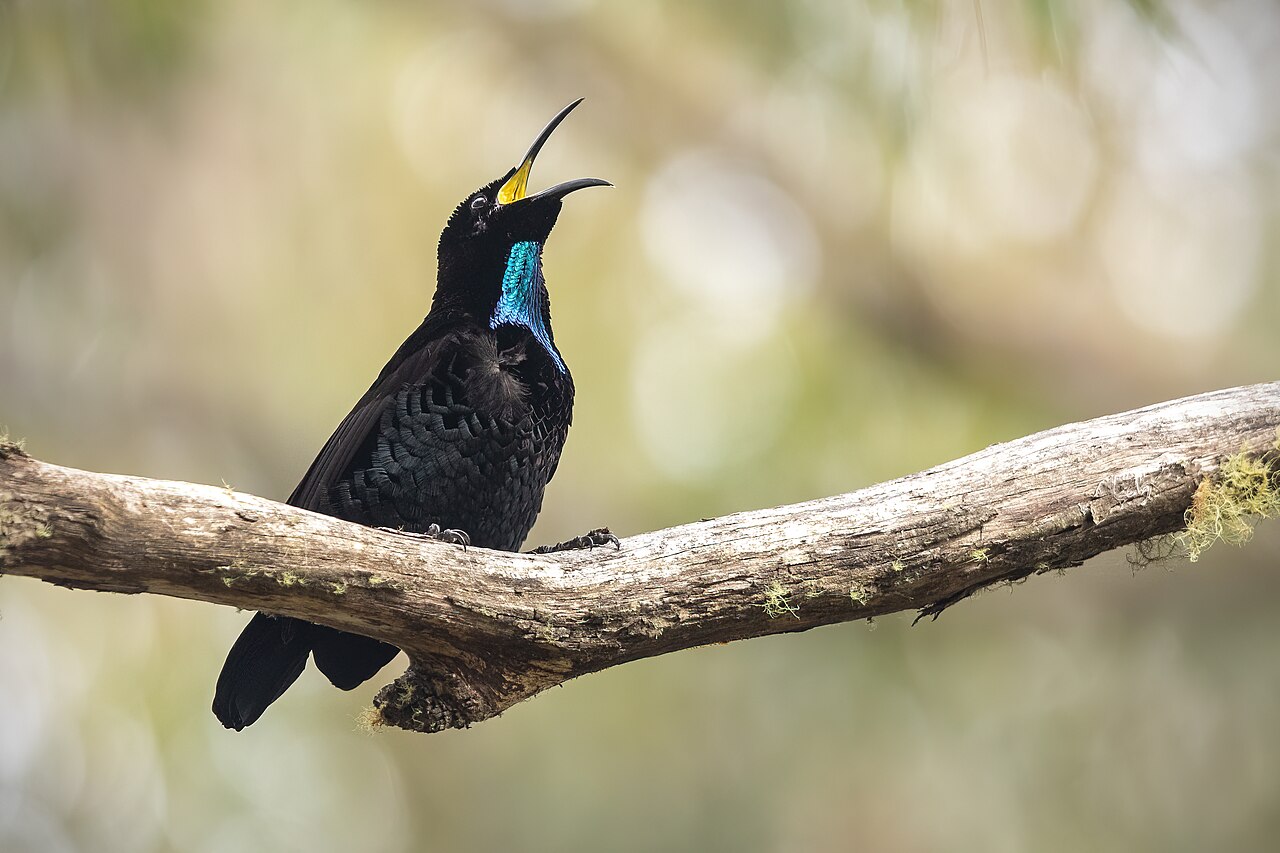
The papyrus gonolek is a species of bird in the family Malaconotidae. It is found in Burundi, Democratic Republic of the Congo, Kenya, Rwanda, Tanzania, and Uganda. It has specialised habitat requirements, being restricted to papyrus swamps. Not yet a threatened species, it has become rare due to habitat loss and pollution.
Region
East African Great Lakes region
Typical Environment
Occurs in extensive papyrus (Cyperus papyrus) swamps and adjacent wet sedge beds around lakes, rivers, and backwater channels in Burundi, DR Congo, Kenya, Rwanda, Tanzania, and Uganda. It keeps to dense, tall papyrus stands and often uses narrow channels, floating vegetation, and swamp edges. The species rarely ventures into open country and is highly localized where intact papyrus persists. Habitat quality is strongly influenced by water levels, harvesting pressure, and pollution.
Altitude Range
900–1700 m
Climate Zone
Tropical
Ease of Keeping
Beginner friendly: 1/5
This highly specialized bushshrike lives almost exclusively in dense stands of papyrus, where it stays low and skulks out of sight. Mated pairs perform rich, antiphonal duets that sound like a single bird. It is sensitive to drainage, burning, harvesting of papyrus, and water pollution, which fragment and degrade its habitat.


Temperament
secretive and skulking
Flight Pattern
short rapid wingbeats with low dashes between reeds
Social Behavior
Usually found in territorial pairs that remain in close contact within dense papyrus. Nests are concealed low in papyrus stems, with a neat cup made of plant fibers. Clutches are small, and adults are attentive but cautious, slipping silently through cover when disturbed.
Migratory Pattern
Resident
Song Description
Pairs deliver rich, antiphonal duets—one bird gives a mellow whistle answered instantly by the partner, creating the effect of a single complex phrase. Calls also include sharp chacks and ringing notes that carry through papyrus beds.
Plumage
Striking, sharply demarcated pattern with glossy black upperparts contrasting with vivid scarlet underparts and a bright yellow crown/nape. Compact, short-winged profile with a squared tail; shows a small white wing patch in the coverts.
Diet
Primarily takes insects such as beetles, caterpillars, grasshoppers, and spiders, gleaned from papyrus stems and leaves. It also captures invertebrates on floating mats of vegetation and along water margins. Occasionally it may take small frogs or other tiny vertebrates when available.
Preferred Environment
Feeds within dense papyrus stands, especially along narrow channels, edges, and floating vegetation where prey is concentrated. Often forages low, moving methodically through cover and making short sallies to seize prey.