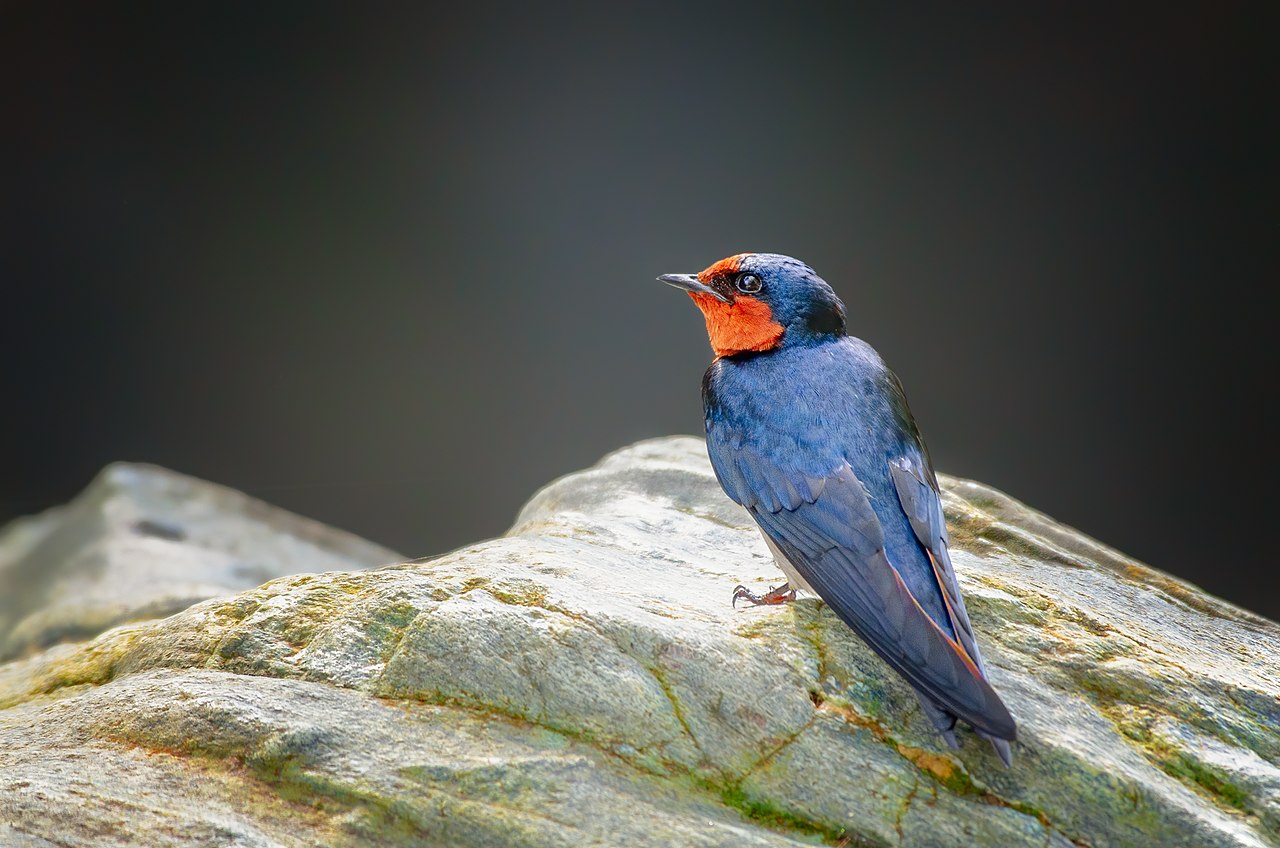
The Pacific reef heron, also known as the eastern reef heron or eastern reef egret, is a species of heron found throughout southern Asia and Oceania. It occurs in two colour morphs with either slaty grey or pure white plumage. The sexes are similar in appearance.
Region
Indo-Pacific
Typical Environment
Found along tropical and subtropical coasts from the Indian Ocean through Southeast Asia and Melanesia to Polynesia, including northern Australia and parts of New Zealand. It frequents coral reefs, rocky headlands, mangrove edges, lagoon shores, and sandy or mud flats. The species is strongly coastal and rarely ventures inland. It uses offshore islets and cliff ledges for nesting, often near productive intertidal zones.
Altitude Range
Sea level to 100 m
Climate Zone
Tropical
Ease of Keeping
Beginner friendly: 1/5
The Pacific reef heron, also called the eastern reef heron or eastern reef egret, occurs in two striking colour morphs: slaty grey and pure white. It is highly adapted to coastal life, often hunting among wave-washed rocks and coral flats. Birds show remarkable tolerance of surf and wind and will time their foraging with the tides. The grey morph can be dominant on some islands, while the white morph prevails on others.


Temperament
solitary and territorial
Flight Pattern
low, direct flight with steady wingbeats
Social Behavior
Usually forages alone or in pairs along reef flats and rocky shores. Breeds in loose colonies or small groups on offshore islets, mangroves, or cliffs, constructing stick nests. Both parents incubate 2–3 eggs and care for the chicks.
Migratory Pattern
Resident
Song Description
Generally quiet, giving harsh croaks and guttural squawks when alarmed or at colonies. Displays include rasping calls and grating notes during nesting interactions.
Plumage
Two morphs: uniformly slaty-grey with possible faint white streaking on chin and belly, or entirely white. Feathers are dense and sleek, aiding in shedding spray in coastal habitats.
Diet
Feeds mainly on small fish, crabs, prawns, and other crustaceans, as well as mollusks and marine worms. It stalks and lunges in shallow water, among rocks, and on exposed reef flats. Often uses foot-stirring and shadowing tactics to flush prey and will seize items between receding waves. Foraging intensity is closely tied to tidal cycles, especially at low tide.
Preferred Environment
Intertidal habitats such as coral reefs, rocky shores, tidal pools, sand and mud flats, and mangrove fringes. Common on wave-washed boulders and sheltered lagoon margins and rarely moves far inland.