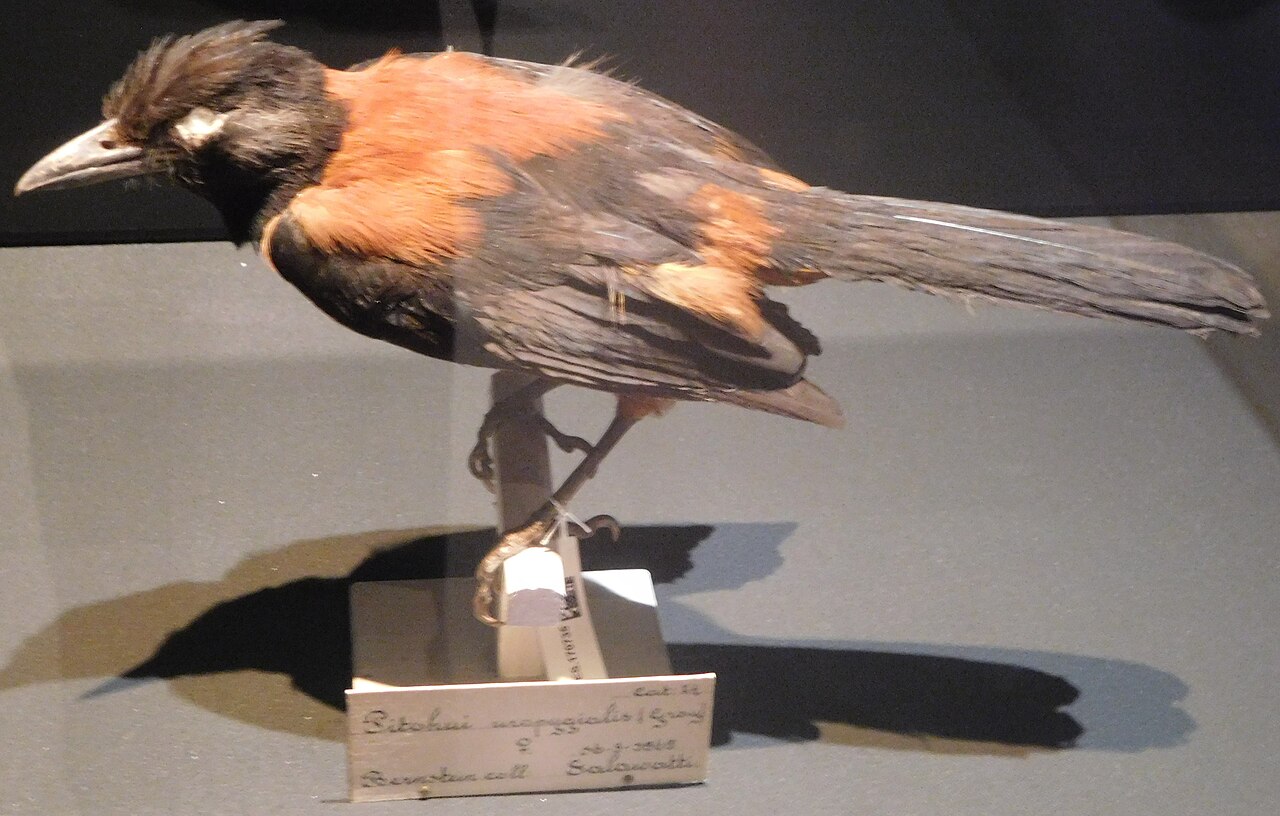
The northern tufted flycatcher or simply tufted flycatcher is a small passerine bird in the tyrant flycatcher family. It is found from Mexico to Ecuador.
Region
Mexico and Central America
Typical Environment
Occurs primarily in the highlands from Mexico through Central America, with populations extending south into the Andean slopes of Colombia and Ecuador. It inhabits humid montane and cloud forests, forest edges, and second growth with abundant epiphytes. The species is most frequently found along ravines, near streams, and in openings where it can sally for flying insects. Local movements may occur along elevational gradients in response to seasonal resources.
Altitude Range
600–3000 m
Climate Zone
Highland
Ease of Keeping
Beginner friendly: 1/5
The Northern Tufted Flycatcher is a small, crested tyrant flycatcher of montane forests, often perching at mid-levels before sallying out to catch insects. It favors mossy cloud forests and edges where its rufous tail and wing edgings stand out against the greenery. Nests are typically mossy cups placed on banks or hanging from moss-laden branches near streams. It is generally common within suitable habitat and is not considered at risk.


Temperament
solitary and territorial
Flight Pattern
short rapid wingbeats with frequent sallying flights
Social Behavior
Typically found singly or in pairs, maintaining small territories in montane forest. The nest is a deep, mossy cup placed on earthen banks or suspended from moss-covered branches near water. Both adults participate in feeding the young. It occasionally joins mixed-species flocks along forest edges.
Migratory Pattern
Partial migrant
Song Description
A series of thin, high-pitched whistles and peeping notes, often delivered from an exposed perch. Calls include sharp tseet and soft seep notes, repeated at intervals. Song can carry in the quiet of cloud forest ravines.
Plumage
Olive to olive-brown upperparts with a small, erect crest; warm buff to ochre underparts with paler throat. Wings and tail show rich rufous or cinnamon edging, especially noticeable in flight. Overall plumage is soft-textured, blending well with mossy forest surroundings.
Diet
Feeds mainly on small flying insects such as flies, beetles, and moths, captured by short sallies from a perch. It also gleans arthropods from foliage and mossy branches. Occasional small berries may be taken, especially when insect activity is low.
Preferred Environment
Forages along forest edges, clearings, and gaps within humid montane and cloud forests. Frequently uses mid-level perches near streams and ravines with abundant epiphytes.