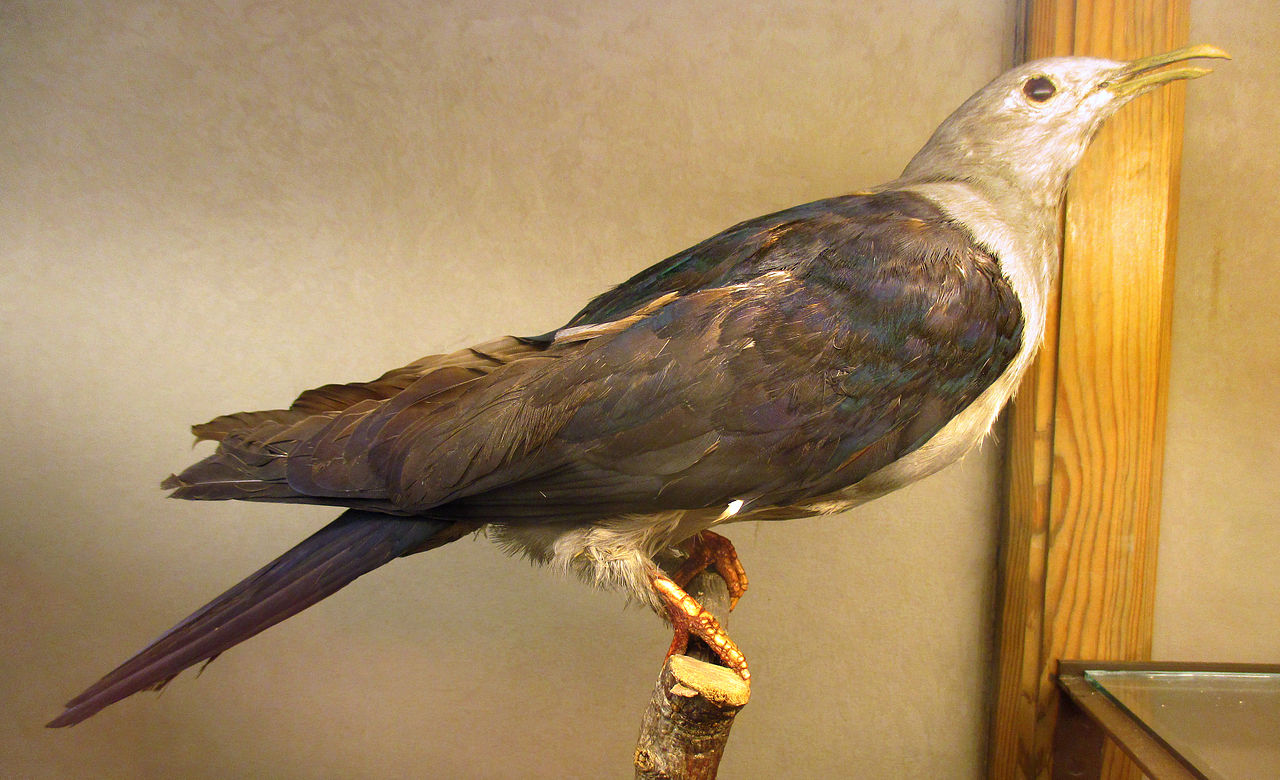
The Nicaraguan grackle is a species of passerine bird belonging to the genus Quiscalus, a genus of grackles in the New World blackbird family, Icteridae. It is found only in Nicaragua and northernmost Costa Rica.
Region
Central America
Typical Environment
Found chiefly in Nicaragua and extending into the northernmost lowlands of Costa Rica, especially near large freshwater bodies. It favors lakeshores, marshes, cattail stands, rice fields, and wet pastures. The species readily uses human-modified wetlands and towns near water. Roosts are commonly in reeds or other emergent vegetation near the waterline.
Altitude Range
Sea level to 300 m
Climate Zone
Tropical
Ease of Keeping
Beginner friendly: 2/5
This small grackle is closely tied to freshwater marshes and lakeshores, especially around Lakes Nicaragua and Managua. It is often seen in noisy flocks, foraging along the water’s edge and around human settlements. Males show striking glossy black plumage, while females are brownish with paler underparts. It can resemble the Great-tailed Grackle but is smaller with a shorter tail and slimmer bill.

Temperament
social and active
Flight Pattern
short rapid wingbeats with direct, level flight
Social Behavior
Often in flocks, especially outside the breeding season, and roosts communally in reedbeds. Nests are typically placed low over water in dense emergent vegetation. Pairs or small groups defend immediate nesting areas while foraging more loosely in open habitats nearby.
Migratory Pattern
Resident
Song Description
Vocalizations are varied and harsh, including metallic clicks, squeaks, and wheezy whistles. Males often deliver louder, more complex displays while spreading the tail and puffing body feathers.
Plumage
Males are glossy black with purple-green iridescence; females are dusky brown above with paler, buffy to grayish underparts and a contrasting pale throat.
Diet
An opportunistic omnivore that takes insects, spiders, snails, and other invertebrates, as well as grains, seeds, and fruit. It will scavenge scraps around settlements and piers and occasionally snatch small fish or tadpoles in shallow water. Foraging is mostly on the ground, along shorelines, and among emergent vegetation.
Preferred Environment
Feeds around lake margins, marsh edges, flooded fields, rice paddies, and wet pastures. It frequently follows humans and livestock, exploiting disturbed ground and refuse near water.