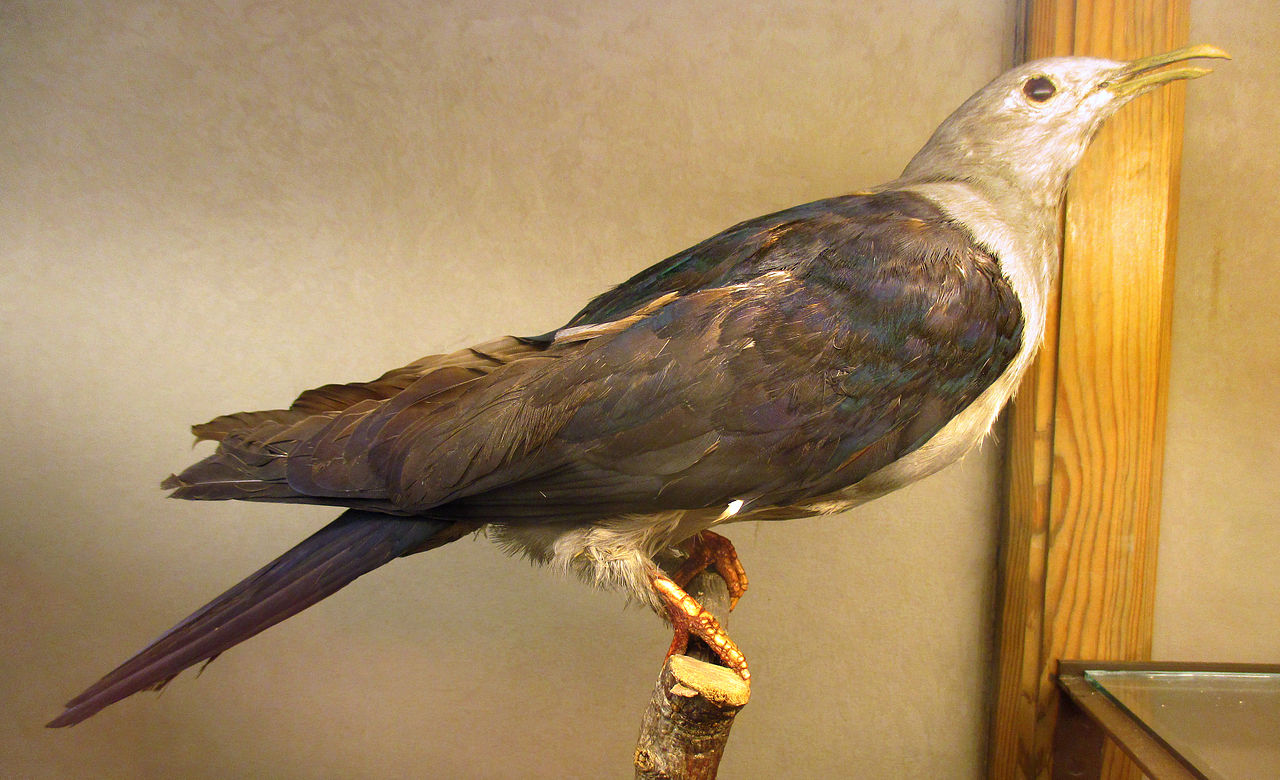
The Nicobar bulbul is a songbird species in the bulbul family, Pycnonotidae. It is endemic to the Nicobar Islands. This species has sometimes been placed in the genus Ixos.
Region
Eastern Indian Ocean (Nicobar Islands)
Typical Environment
Occurs throughout the Nicobar Islands in evergreen and semi-evergreen forest, forest edges, secondary scrub, and coconut or fruit groves near settlements. It favors mid-story to canopy levels but will descend to forage in shrub layers. The species tolerates moderate habitat disturbance and often persists in mosaic landscapes. It is typically absent from dense mangroves and very open coastal strand.
Altitude Range
Sea level to 600 m
Climate Zone
Tropical
Ease of Keeping
Beginner friendly: 1/5
The Nicobar bulbul is a forest-edge songbird endemic to India’s Nicobar Islands and has sometimes been placed in the genus Ixos. It is adaptable, using secondary growth and village groves as well as natural woodland. Like many bulbuls, it is an important seed disperser for island plants.

Temperament
social and active
Flight Pattern
short rapid wingbeats with direct, darting flights between trees
Social Behavior
Usually seen in pairs or small family groups and sometimes joins loose mixed-species flocks while foraging. Builds a small cup nest in shrubs or trees, typically well concealed in foliage. Likely monogamous with cooperative defense of nesting territories.
Migratory Pattern
Resident
Song Description
Voice includes clear, whistled phrases and bubbly chatters typical of bulbuls. Calls are sharp, contact notes interspersed with more musical sequences during the breeding season.
Plumage
Mostly olive-brown to dusky-brown with paler, slightly buff-tinged underparts and a faintly paler throat; often shows a slight, tousled crest and a long, graduated tail.
Diet
Feeds primarily on small fruits and berries, including figs and other native island plants. Supplements diet with insects and other arthropods gleaned from foliage and small branches. May occasionally take nectar or soft flower parts, especially when fruit is scarce.
Preferred Environment
Forages in forest edges, secondary growth, and village orchards, working from shrub layer to canopy. Often exploits fruiting trees and follows seasonal availability of resources.