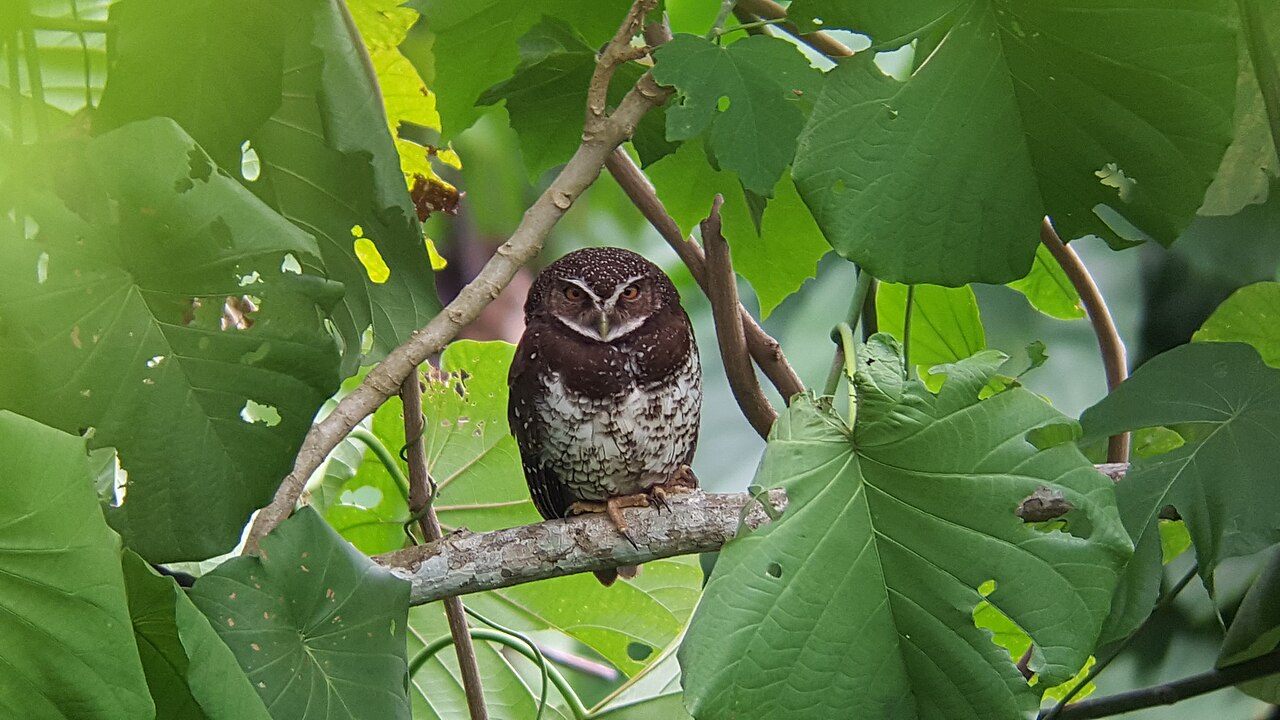
The Nepal cupwing (Pnoepyga immaculata), also known as the Nepal wren-babbler or immaculate cupwing, is a small species of passerine bird in the family Pnoepygidae. It is native to Uttarakhand, Himachal Pradesh, Tibet, and Nepal. It is found in dense montane forest in the Himalayas.
Region
Himalayas
Typical Environment
Occurs in dense montane forests from Himachal Pradesh and Uttarakhand (India) through Nepal into southern Tibet. Prefers mossy, shaded understory in broadleaf and mixed rhododendron–oak forests, often with bamboo thickets. Common along damp ravines, stream edges, and gullies with abundant leaf litter and fallen logs. It keeps very close to the ground, moving through root tangles and along mossy boulders. Local where suitable habitat is continuous.
Altitude Range
1200–3300 m
Climate Zone
Highland
Ease of Keeping
Beginner friendly: 1/5
Also called the Nepal wren-babbler or immaculate cupwing, this tiny, near-tailless bird creeps mouse-like through mossy undergrowth. It was once grouped with babblers but is now placed in its own family, Pnoepygidae. Its clear, high-pitched song often gives away its presence long before it is seen. The species is secretive and relies on dense cover along Himalayan forest floors.


Temperament
solitary and territorial
Flight Pattern
short rapid wingbeats, low to the ground
Social Behavior
Usually seen singly or in pairs, especially during the breeding season. Nests are typically domed structures of moss and fibers placed low in banks, roots, or dense vegetation. Pairs maintain territories and communicate frequently with song and thin contact calls.
Migratory Pattern
Resident
Song Description
A clear, high-pitched series of ringing notes or trills delivered from concealed perches in dense cover. Phrases are repeated and carry well through damp montane forest. Calls include thin seep and tick notes used for contact.
Plumage
Compact, rounded body with very short, almost absent tail; upperparts warm brown with fine scalloping and subtle barring; underparts largely plain buffy-gray with minimal spotting. Feathers appear soft and matte, aiding camouflage in leaf litter.
Diet
Feeds primarily on small arthropods such as insects, spiders, and their larvae. It gleans from leaf litter, probes moss and bark crevices, and picks prey off damp substrates. Foraging is methodical and close to the ground, often hidden by roots and ferns.
Preferred Environment
Mossy forest floors, stream edges, and shaded ravines with thick understory. Frequently forages among bamboo clumps, rhododendron thickets, and fallen logs where cover is dense.