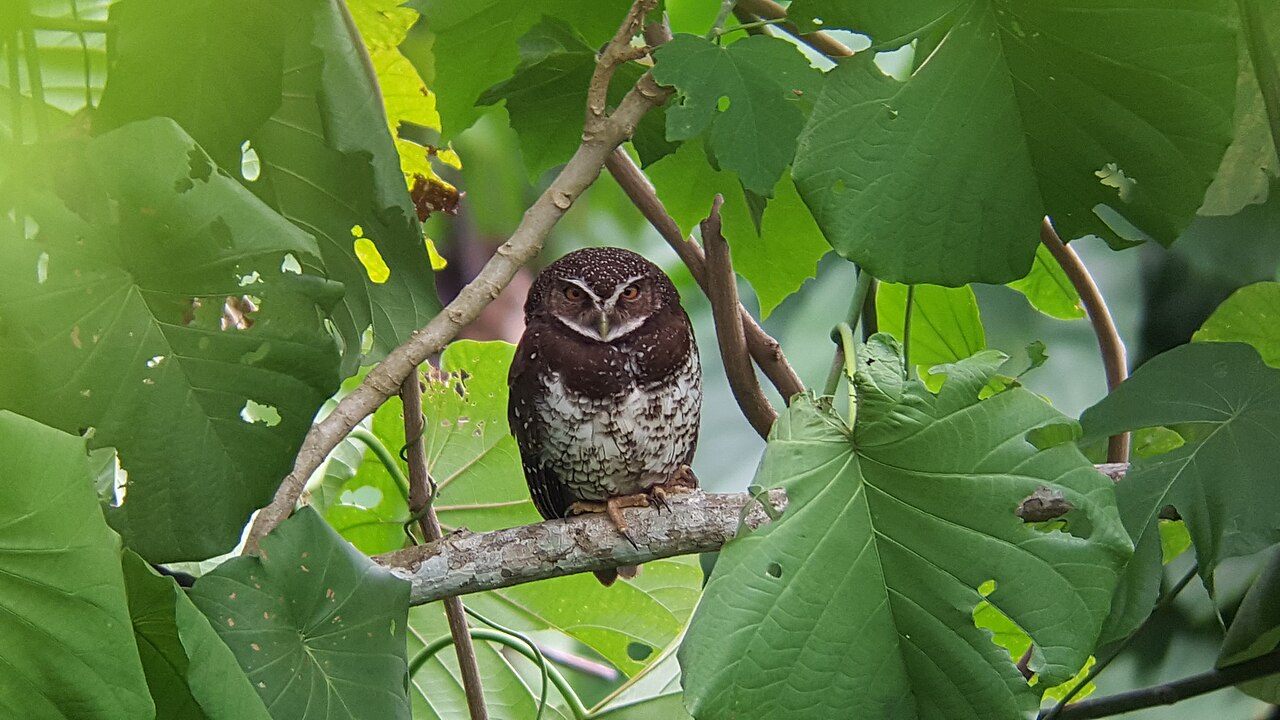
The Nepal fulvetta or Nepal alcippe, as the fulvettas proper are not closely related to this species, is a bird species in the family Alcippeidae.
Region
Central and Eastern Himalayas into northern Southeast Asia
Typical Environment
Found in subtropical and temperate montane broadleaf forests, secondary growth, and bamboo or rhododendron thickets. Prefers dense understorey and forest edges where it forages close to the ground and in lower mid-storey. Occurs from Nepal across northern India and Bhutan, extending into northern Myanmar and adjacent southwest China. Locally common where suitable undergrowth persists.
Altitude Range
600–2700 m
Climate Zone
Highland
Ease of Keeping
Beginner friendly: 1/5
Also called the Nepal alcippe, this species is now placed in the family Alcippeidae rather than among the true fulvettas. It is a subtle, forest-dwelling bird that often travels with mixed-species flocks in the Himalayan foothills. Its quiet demeanor and drab plumage make it easy to overlook, but its thin, scolding calls often reveal its presence.


Egg of Alcippe nipalensis MHNT
Temperament
social and active
Flight Pattern
short rapid wingbeats
Social Behavior
Usually seen in pairs or small parties and frequently joins mixed-species foraging flocks. Nests are cup-shaped and placed low in shrubs or small trees; both parents participate in care. Territorial calls are given year-round, with increased vocal activity during the breeding season.
Migratory Pattern
Resident
Song Description
A series of thin, high-pitched chips and short, musical whistles, often delivered in quick bursts. Scolding contact calls are common when moving through dense cover.
Plumage
Plain warm-brown upperparts with slightly olive tones, paler buff underparts, and a whitish throat. The face is subtly grayish with a fine pale eye-ring and faint lores; wings and tail are uniformly brown. Overall appearance is soft-textured and unpatterned, suited to dense foliage.
Diet
Primarily small insects and other arthropods gleaned from leaves, twigs, and undergrowth. Supplements diet with berries and small fruits, especially outside peak insect abundance. Will also take soft seeds and occasionally small invertebrates from the forest floor.
Preferred Environment
Forages in dense shrub layers, bamboo clumps, and along forest edges and clearings. Often feeds 1–5 meters above ground, moving methodically through tangles and foliage.