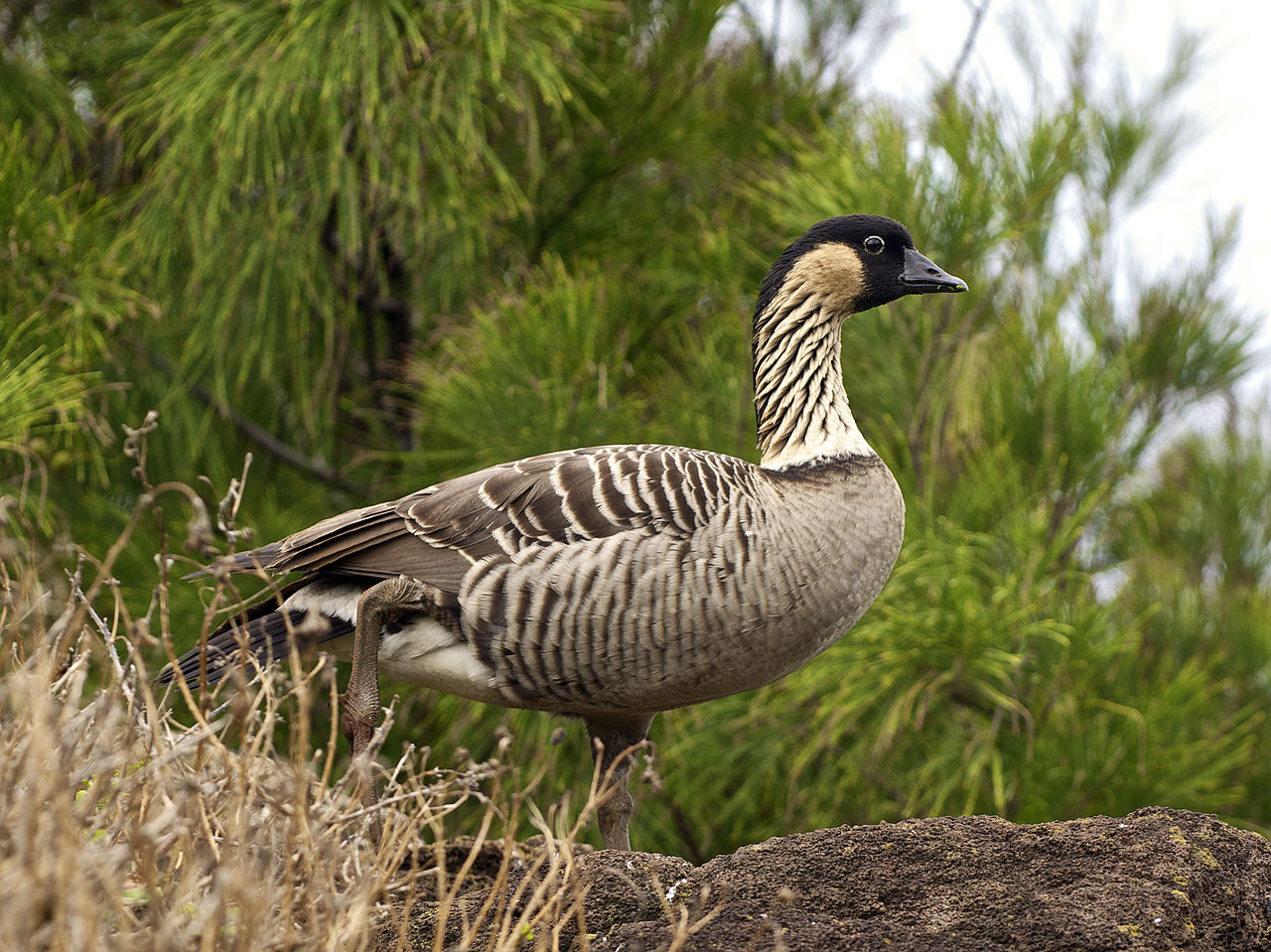
Nelson's sparrow is a small New World sparrow.
Region
North America
Typical Environment
Breeds in wet meadows and marshes of the northern Great Plains and in coastal marshes around Hudson and James Bays, extending to the Canadian Maritimes. Winters primarily in coastal salt and brackish marshes along the Atlantic and Gulf Coasts from the Mid-Atlantic to Texas and occasionally Florida. Prefers dense emergent vegetation such as cordgrass, cattails, and sedges, often near shallow water. Nests are placed low in vegetation and can be vulnerable to flooding. Use of habitat mosaics at marsh edges and tidal flats is common during migration and winter.
Altitude Range
0–1000 m
Climate Zone
Temperate
Ease of Keeping
Beginner friendly: 1/5
Nelson's sparrow is a small New World sparrow of marshes, noted for its rich orange face and secretive habits. It breeds in northern inland and coastal wetlands and winters along Atlantic and Gulf Coast saltmarshes. The species is declining in parts of its range due to habitat loss and tidal flooding linked to sea-level rise. It has three subspecies and can hybridize with the closely related Saltmarsh Sparrow where ranges meet.


Temperament
secretive and skulking
Flight Pattern
short, low flights with rapid wingbeats over marsh vegetation
Social Behavior
Typically solitary or in loose pairs during breeding, using dense vegetation for cover. Nests are shallow cups woven into marsh grasses just above the substrate; clutches commonly 3–5 eggs. Males sing from exposed stalks but much activity occurs within thick cover. Outside breeding, small loose flocks may form in rich feeding areas.
Migratory Pattern
Seasonal migrant
Song Description
Song is a short, insect-like hiss-buzz sequence, often described as a dry tsssk followed by a buzzy bzzt. Calls are sharp chips and thin tseet notes, delivered from low perches within marshes.
Plumage
Finely streaked brown upperparts with gray tones, a rich buff-orange face and breast, and cleaner whitish belly and undertail. Crown shows narrow dark stripes with a paler median stripe; nape grayish. Flanks show fine, diffuse streaking; overall appearance warm and buffy.
Diet
Consumes insects, spiders, and other small invertebrates gleaned from stems, leaves, and the ground. Also takes seeds of grasses, sedges, and marsh plants, especially outside the breeding season. In coastal wintering areas, may pick small amphipods and other tideline invertebrates.
Preferred Environment
Feeds within dense stands of cordgrass, cattails, and sedges, along marsh edges, and on exposed mud at low tide. Often forages low and out of sight, moving mouse-like through vegetation.