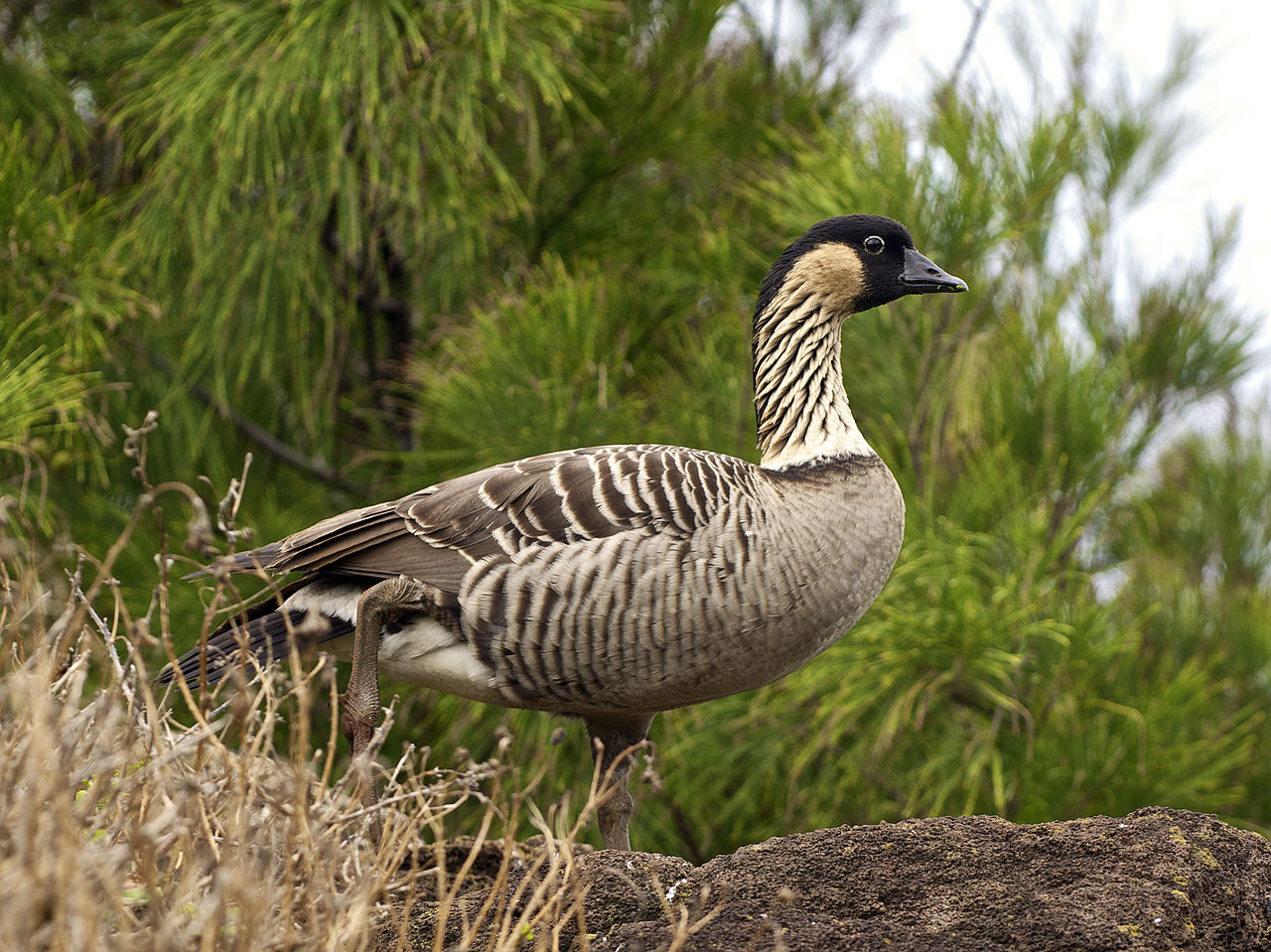
The Negros striped babbler is a species of bird in the family Zosteropidae. It is endemic to Negros Island in the Philippines. Its natural habitat is tropical moist montane forest in the range of 900–1,600 masl. It is threatened by habitat loss.
Region
Central Visayas, Philippines
Typical Environment
Occurs only in montane evergreen and mossy forests of Negros Island, typically within protected or relatively intact forest blocks. It favors dense understory, vine tangles, and bamboo patches along ridges and steep slopes. Birds usually keep to midstory and lower canopy strata, moving quickly through foliage while gleaning prey. It may use lightly disturbed edges adjacent to primary forest but is strongly tied to closed-canopy montane habitat.
Altitude Range
900–1600 m
Climate Zone
Highland
Ease of Keeping
Beginner friendly: 1/5
Despite its name, this species is placed in the white-eye family (Zosteropidae), not the traditional babblers. It is confined to a few high-elevation forests on Negros Island and is most often detected by its thin, high-pitched trills from dense understory. It frequently forages in small parties and joins mixed-species flocks. Ongoing habitat loss and forest fragmentation on Negros are the principal threats.

Temperament
skulking yet active
Flight Pattern
short rapid wingbeats through understory
Social Behavior
Usually found in pairs or small family groups and commonly associates with mixed-species flocks of montane insectivores. Nests are likely cup-shaped and placed low to mid-level in dense vegetation, with both parents participating in care. Territorial during breeding but tolerant of neighbors when flocking.
Migratory Pattern
Resident
Song Description
A series of thin, high-pitched tsee-tsee notes and buzzy trills delivered from cover. Contact calls are quick, sharp chips used to keep in touch while moving through foliage.
Plumage
Olive-brown upperparts with a warmer tinge on the back and wings; underparts buff to whitish with fine, dark streaking forming the characteristic 'striped' look. Throat paler with neat streaks, and the breast and flanks show crisp, narrow lines. Feathers appear smooth and sleek, aiding its furtive movement through dense vegetation.
Diet
Primarily small insects and other arthropods gleaned from leaves, twigs, and mossy branches. It also takes larvae and spiders and may occasionally nip small berries. Foraging is active, with frequent short hops and hover-gleans to pick prey from the undersides of leaves.
Preferred Environment
Feeds in dense montane forest, especially in the midstory and lower canopy along ridges and forested slopes. Often joins mixed flocks to exploit prey flushed by other species and to cover larger areas efficiently.