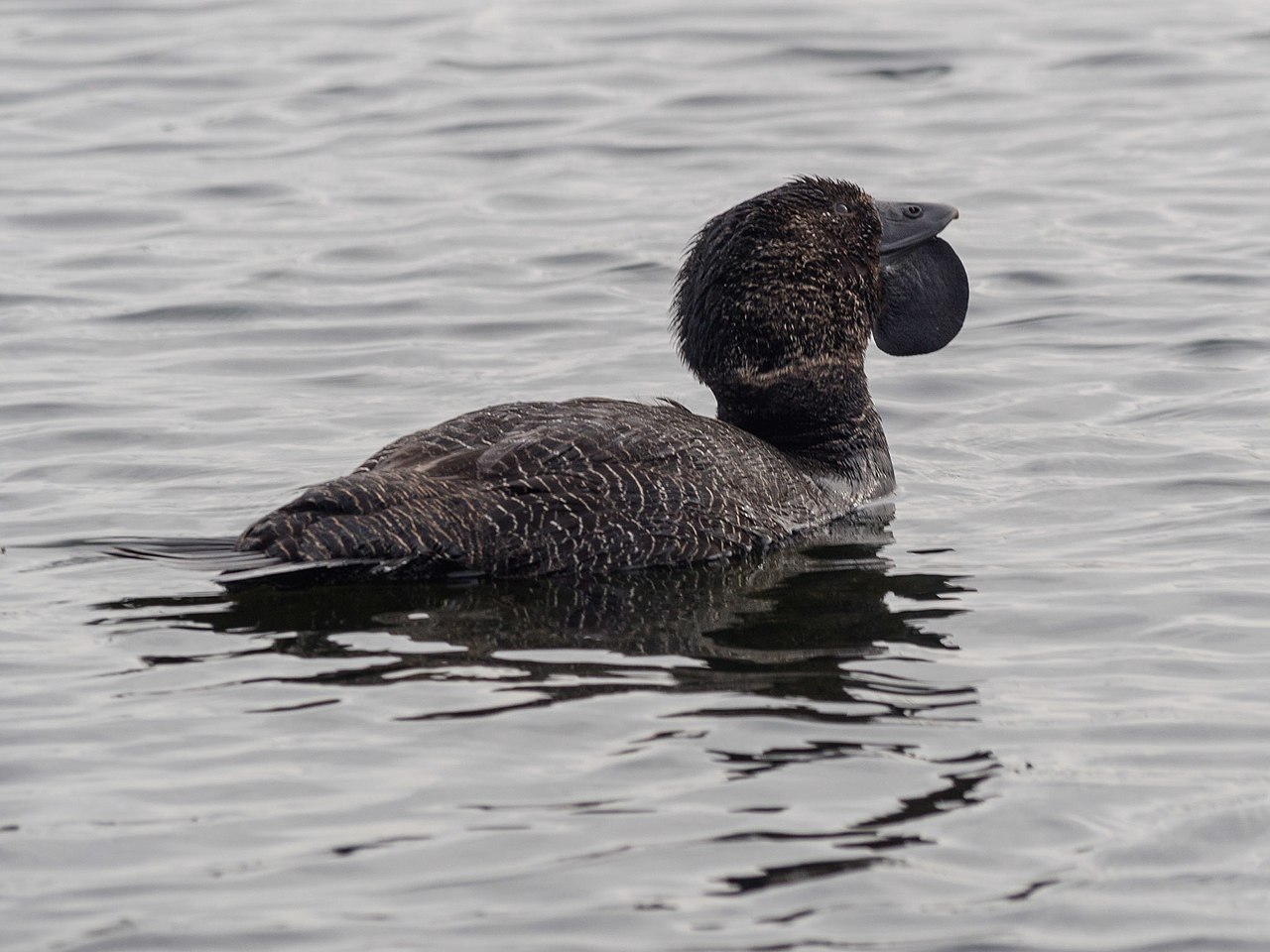
The Muscovy duck is a shelduck native to the Americas, from the Lower Rio Grande Valley of Texas and Mexico south to Argentina and Uruguay. The species has been domesticated, and feral Muscovy ducks can be found locally in New Zealand, Australia, the United States, and in Central and Eastern Europe.
Region
Neotropics
Typical Environment
Native from northeastern Mexico through Central America to much of northern and central South America, south to Argentina and Uruguay. It inhabits forested rivers, oxbow lakes, swamps, mangroves, and shaded freshwater wetlands, usually near dense woodland. Birds frequently roost and nest in tree cavities or on large limbs and will also use human structures. Feral and introduced populations occur locally in the United States, the Caribbean, Europe, Australia, and New Zealand, typically around urban water bodies and farms.
Altitude Range
Sea level to 1800 m
Climate Zone
Tropical
Ease of Keeping
Beginner friendly: 4/5
The Muscovy duck is a large, tree-perching duck native to the Neotropics and was domesticated by Indigenous peoples before European contact. Unlike most ducks, males communicate mainly with hisses rather than quacks, and both sexes show distinctive red facial caruncles. Wild birds are wary forest wetland specialists, while domesticated and feral populations adapt readily to parks, farms, and urban ponds. They are valued in agriculture for meat and for controlling insects and small pests.


Male, showing underwing pattern; Transpantaneira, Poconé, Mato Grosso, Brazil

Male, showing upperwing pattern; Transpantaneira, Poconé, Mato Grosso, Brazil

Male swimming, with the green iridescence of the plumage showing in good light

Pair roosting in a tree at dusk, French Guiana
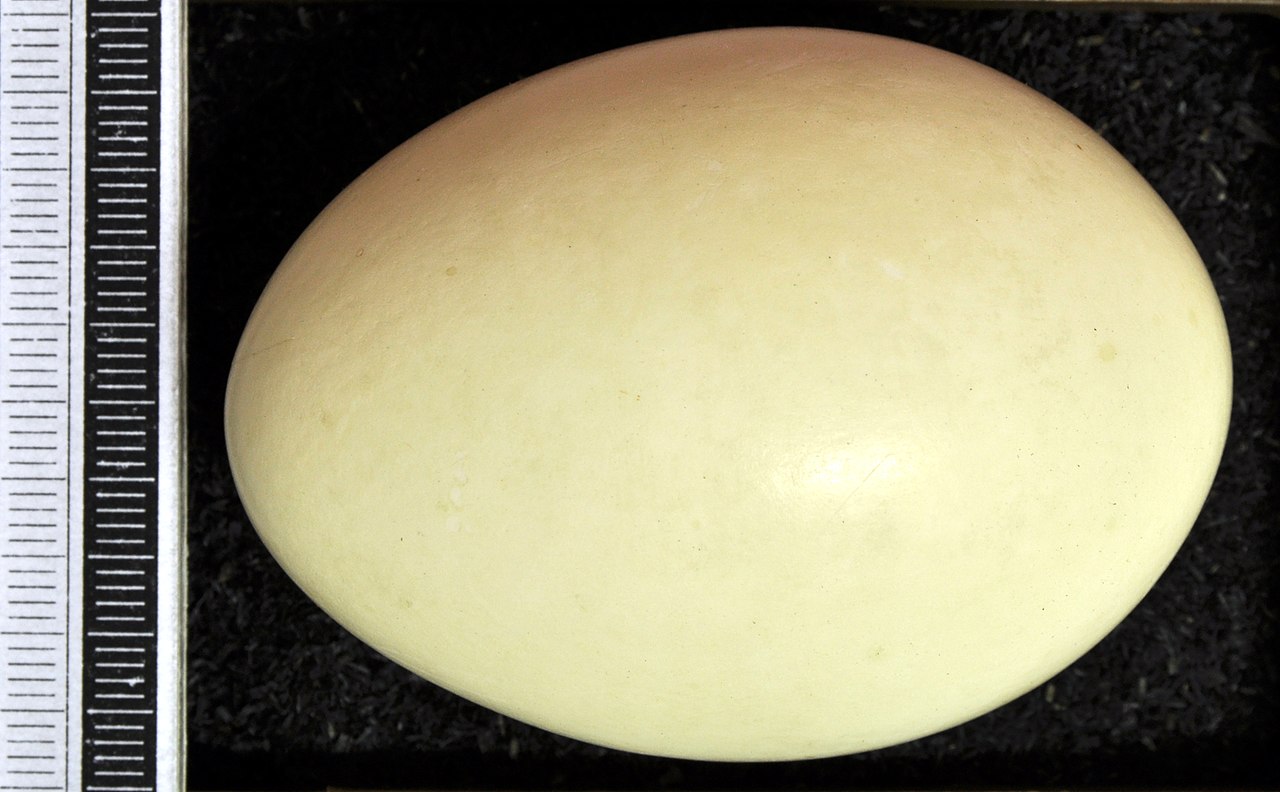
Egg, collection Museum Wiesbaden

A feral Muscovy duck in Ely, England
Temperament
alert and wary in the wild; generally calm but territorial when domesticated
Flight Pattern
strong flier with powerful wingbeats; capable of perching and tree landings
Social Behavior
Usually seen alone, in pairs, or small groups; forms looser flocks at rich feeding sites. Nests in tree cavities or sheltered sites, often above water; the female incubates and leads the brood. Males may defend territories or display at loafing sites with tail-wagging and head bobbing.
Migratory Pattern
Resident
Song Description
Relatively quiet for a duck; males hiss, puff, and wag the tail during displays. Females produce soft trills and coos; quacking is rare. Wingbeats can be audible in flight.
Plumage
Wild birds are mostly glossy black with green and bronze iridescence and large white wing patches; domesticated forms range from pure white to pied, chocolate, and mottled. Feathers are dense with a slight crest that can be raised on the crown. The face shows bare, knobbly red caruncles around the bill and eyes.
Diet
An opportunistic omnivore that grazes on grasses and aquatic vegetation, seeds, and agricultural grains. It also consumes insects, snails, small crustaceans, and occasionally small fish or amphibians. Forages by dabbling, gleaning on land, and probing in mud or shallow water. Around farms and urban ponds it readily exploits spillage and human-provided food.
Preferred Environment
Shallow, slow-moving or still waters with nearby trees, including oxbow lakes, forest ponds, mangroves, and shaded marshes. Also feeds in pastures, fallow fields, and park lawns near water. Often forages along shorelines, floating vegetation mats, and muddy margins.