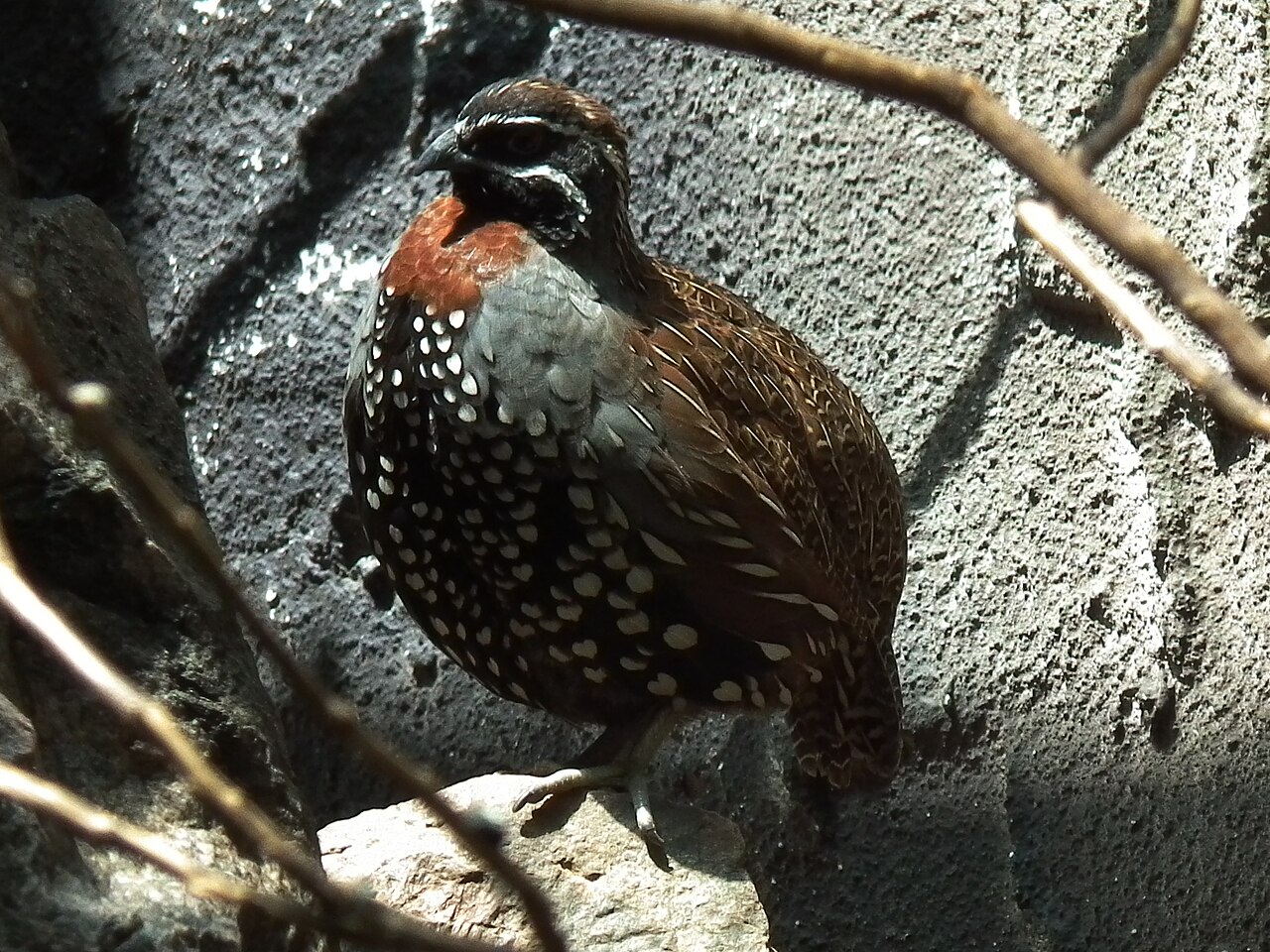
The Madagascar owl, also known as the Madagascan owl or Madagascar long-eared owl, is a medium-sized owl endemic to the island of Madagascar. It is sometimes considered to be conspecific with the long-eared owl.
Region
Madagascar
Typical Environment
This owl is widespread across Madagascar, occurring in a variety of wooded habitats from humid eastern rainforests to western dry deciduous forests and mosaic farmland. It favors forest edges, secondary growth, and open woodland, where hunting is easier than in dense interior forest. It also frequents plantations, riparian corridors, and savanna with scattered trees. In some regions it persists near villages and rice fields where prey is abundant. Roosts are typically in dense foliage or tangles that provide daytime concealment.
Altitude Range
Sea level to 1800 m
Climate Zone
Tropical
Ease of Keeping
Beginner friendly: 1/5
The Madagascar owl, also called the Madagascan owl or Madagascar long-eared owl, is a medium-sized ear-tufted owl found only on Madagascar. It has often been compared with, and was once considered conspecific with, the long-eared owl. It adapts well to forest edges, plantations, and agricultural mosaics, where it hunts rodents, birds, and large insects. Its large ear tufts and orange eyes make it one of the island’s more striking nocturnal predators.

Temperament
solitary and territorial
Flight Pattern
silent, buoyant flight with deep wingbeats and short glides
Social Behavior
Mostly solitary outside the breeding season and defends hunting areas after dusk. Nests are placed in trees, often using old stick nests or dense platforms of vegetation. Clutches are small, and both parents attend the young, with the female brooding while the male provides food.
Migratory Pattern
Resident
Song Description
The primary call is a series of low, resonant hoots spaced at regular intervals, carrying well at night. It also gives harsher barks and screeches when alarmed or during territorial encounters.
Plumage
Mottled and streaked brown and buff with darker vertical streaks and fine barring; dense, cryptic patterning for excellent camouflage.
Diet
It preys mainly on small mammals such as native rodents and introduced rats, and will also take small birds, reptiles, and large insects. Hunting is typically from a perch with a swift pounce to the ground or into low vegetation. It may quarter along edges or flycatch for large insects when abundant. Pellet contents often show a mix of mammalian fur and insect remains.
Preferred Environment
Forest edges, open woodland, secondary growth, and agricultural landscapes with scattered trees are preferred hunting grounds. It uses perches along forest margins, riparian strips, and hedgerows to scan for prey. Dense foliage is selected for daytime roosting.