

The long-billed wren-babbler is a species of bird in the family Pellorneidae.
Region
Eastern Himalayas and northern Southeast Asia
Typical Environment
Occurs from the eastern Himalayan foothills through northeastern India and Bhutan into northern Myanmar, southwest China (e.g., Yunnan), Laos, Vietnam, and adjacent Thailand. Prefers dense understory of evergreen and moist montane broadleaf forests, especially along shaded ravines. Frequently associated with boulder-strewn streams, tangled roots, and bamboo thickets. Typically keeps to the forest floor and lower strata, moving quietly through leaf litter.
Altitude Range
300–2100 m
Climate Zone
Highland
Ease of Keeping
Beginner friendly: 1/5
A secretive forest floor specialist, the long-billed wren-babbler uses its long, decurved bill to probe moss, leaf litter, and streamside crevices for invertebrates. It often remains close to shaded ravines and rocky streams, where it is more often heard than seen. Pairs may duet, exchanging clear whistles from dense cover.

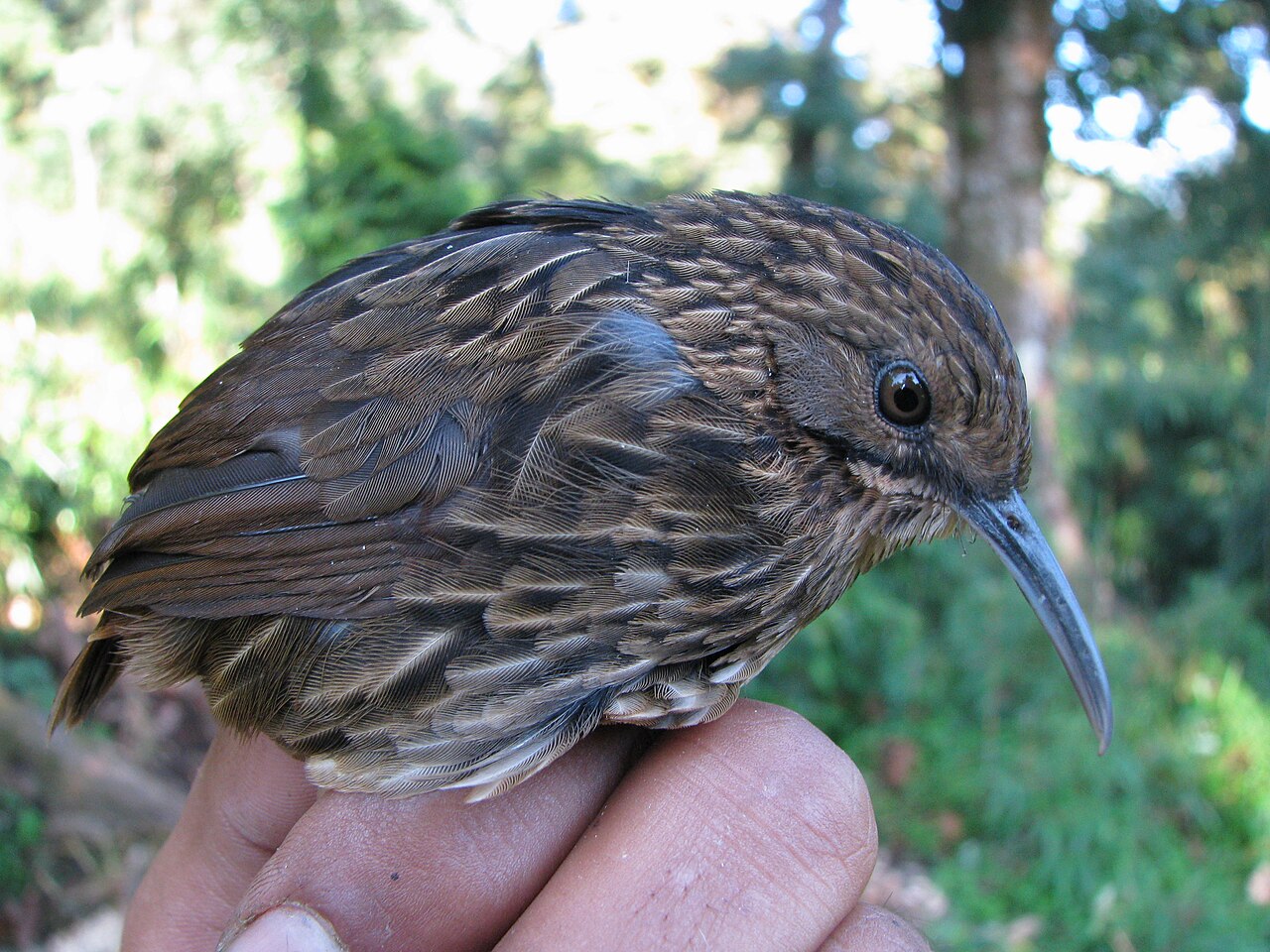
A bird from Arunachal Pradesh, Zangnan, India
Temperament
skulking and secretive
Flight Pattern
short rapid wingbeats, low and fluttering
Social Behavior
Usually found singly, in pairs, or small family groups, keeping close contact calls in dense cover. Nests are typically placed low and well concealed, often near stream banks or among roots. Breeding pairs may maintain small territories along ravines.
Migratory Pattern
Resident
Song Description
Song consists of clear, mellow whistles delivered in short series, sometimes as antiphonal duets between pair members. Calls include sharp ticks and thin seep notes given from cover.
Plumage
Dusky brown to rufescent-brown above with fine mottling; underparts brownish with faint scaling or speckling on the breast and flanks. Feathers appear soft and cryptic, aiding camouflage in leaf litter.
Diet
Feeds primarily on insects and other small invertebrates such as beetles, ants, spiders, larvae, and small snails. Uses its long bill to probe into moss, rotting wood, and crevices around rocks. Also gleans from leaf litter and the bases of ferns and bamboo. Foraging is deliberate and close to the ground.
Preferred Environment
Shaded stream edges, rocky gullies, and dense understory within moist evergreen or montane broadleaf forest. Often forages among mossy boulders, root tangles, and thick leaf litter where cover is abundant.


