

The long-billed dowitcher is a medium-sized shorebird with a relatively long bill belonging to the sandpiper family, Scolopacidae. In breeding plumage, adults are characterized by a rufous head and underparts with a darker mottled back and a large white upper rump only seen in flight. They feed in various freshwater habitats with their bill underwater in a "sewing machine" motion and have a mating display where males chase females in flight. The genus, Limnodromus is Ancient Greek from limne, "marsh" and dromos, "racer". The specific scolopaceus is Neo-Latin for "snipe-like", from Latin scolopax, scolopacis, a snipe or woodcock. The English name is from Iroquois and was first recorded in 1841.
Region
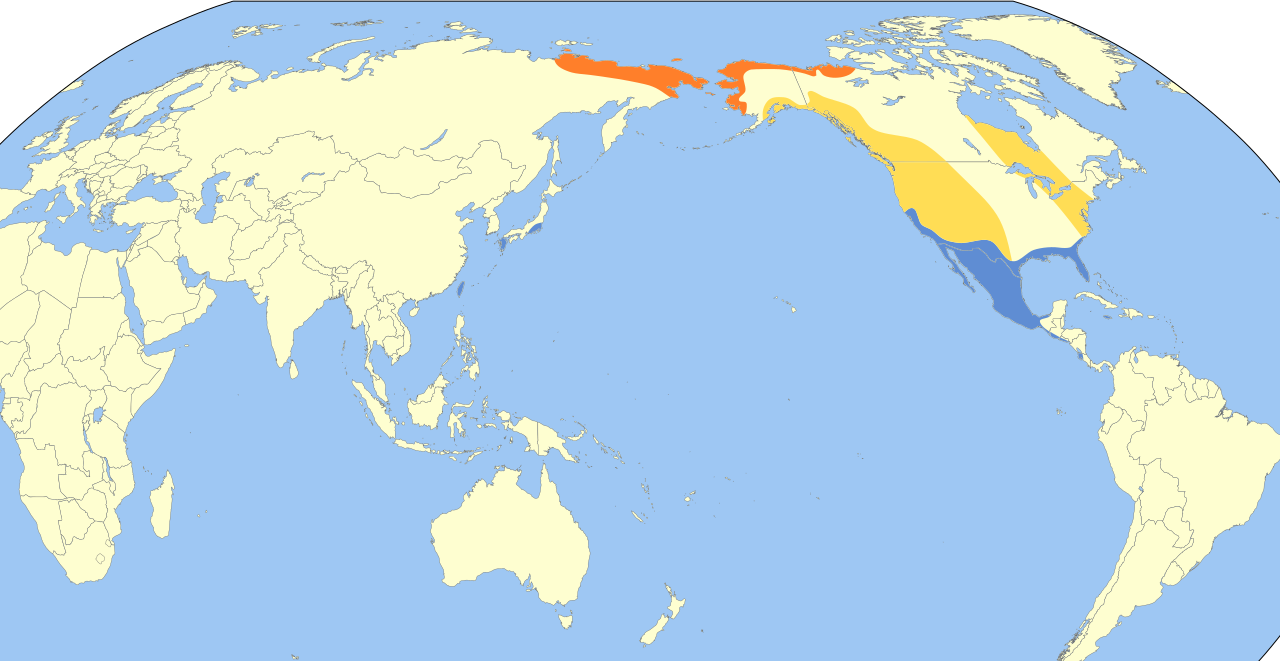
North America and Central America
Typical Environment
Breeds in the subarctic of Alaska and northwestern Canada in wet tundra, muskeg, and boggy lowlands. During migration it uses freshwater marshes, flooded fields, wet meadows, and the edges of ponds and lakes, favoring freshwater more than saline habitats. Winters along the Pacific, Gulf, and Atlantic coasts, as well as inland wetlands across the southern United States, Mexico, and into Central America. It occasionally appears on coastal mudflats but is most frequent where shallow freshwater is available.
Altitude Range
Sea level to 2500 m
Climate Zone
Temperate
Ease of Keeping
Beginner friendly: 1/5
This shorebird is famous for its rapid 'sewing machine' probing as it feeds in shallow water. It is notoriously difficult to distinguish from the Short-billed Dowitcher; voice is the most reliable clue, with the long-billed giving sharp keek or keek-keek calls. It breeds in wet tundra and bogs of Alaska and northwestern Canada and winters widely across the southern United States, Mexico, and Central America. In flight it shows a distinctive white wedge on the lower back and rump.



Foraging long-billed dowitcher
Temperament
social and active
Flight Pattern
strong flier with rapid wingbeats
Social Behavior
Often forms tight flocks on migration and in winter, sometimes mixing with other shorebirds. On breeding grounds, pairs nest on the ground in moist tundra, with a clutch typically of four eggs. Courtship includes aerial chases and display flights, and both adults attend the nest. Outside the breeding season they roost communally in safe, shallow wetlands.
Migratory Pattern
Seasonal migrant
Song Description
Calls are sharp, high keek or keek-keek-keek notes, especially in flight, which help separate it from Short-billed Dowitcher. Display flights include repeated, clipped notes; other vocalizations are soft whistles and chatter near the nest.
Plumage
Breeding adults show rich rufous underparts with dark barring and a mottled, darker back; nonbreeding birds are gray above with whitish underparts and fine breast streaking. The species has a long, straight bill and a prominent pale supercilium. In flight, a bold white wedge on the lower back and rump is conspicuous.
Diet
Feeds mainly on aquatic invertebrates such as insect larvae (midges, beetles), worms, small crustaceans, and mollusks. It occasionally takes small seeds and plant material, especially in winter. The long bill allows deep probing into soft mud to locate prey by touch. Rapid, repeated probes create the characteristic 'sewing machine' motion.
Preferred Environment
Shallow freshwater habitats including marsh edges, flooded fields, wet meadows, and pond margins are preferred. It also forages along muddy shorelines and occasionally sheltered tidal flats, especially where freshwater outflows occur.


