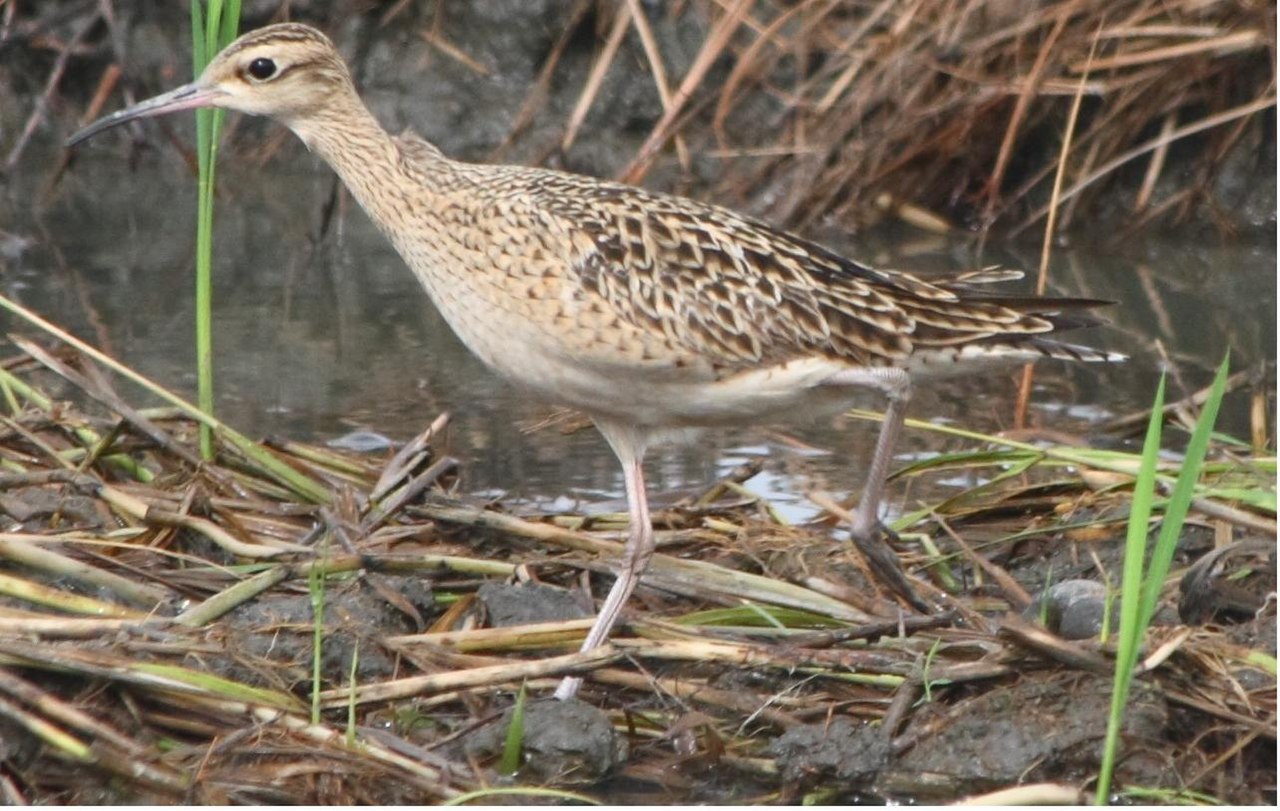
The little crake is a very small waterbird of the family Rallidae. parva is Latin for "small". This species was long included in the genus Porzana.
Region
Europe and Western Asia
Typical Environment
Breeds patchily across temperate Europe into western and central Asia, favoring quiet freshwater marshes, reedbeds, and sedge-fringed lakes with abundant floating vegetation. During migration and winter it uses a wider range of shallow wetlands, including floodplains, rice paddies, and vegetated ponds. Winters mainly in parts of Africa, the Middle East, and South Asia. It avoids open, wave-exposed shores and prefers sheltered, densely vegetated margins.
Altitude Range
Sea level to 1500 m
Climate Zone
Temperate
Ease of Keeping
Beginner friendly: 1/5
The little crake is a very small, secretive rail most often detected by its sharp, repetitive calls rather than seen. It was long placed in the genus Porzana but is now in Zapornia; parva is Latin for “small.” Birds often flick their short tails, flashing the white undertail coverts as they move through dense reeds.


Eggs of little crake
Temperament
secretive and skulking
Flight Pattern
short rapid wingbeats, low and direct over vegetation
Social Behavior
Mostly solitary or in pairs during the breeding season and strongly tied to dense emergent vegetation. Builds a floating or semi-floating nest platform from reeds and sedges. Typically monogamous, with both parents incubating and tending the downy chicks.
Migratory Pattern
Seasonal migrant
Song Description
The male gives a series of sharp, metallic ticking notes and soft, repeated kek calls, often at dusk or night. Calls carry well through reedbeds and are the best clue to presence in dense cover.
Plumage
Compact rail with warm-brown upperparts marked with small white specks, grey to slate face and breast in males, and strongly barred black-and-white flanks. Undertail coverts are clean white and often flashed. Females are browner and duller grey below.
Diet
Takes aquatic and terrestrial invertebrates such as insect larvae, beetles, small snails, worms, and spiders. Also pecks at seeds and soft plant matter, especially when animal prey is scarce. Forages by picking from the water surface, mud, and low vegetation, sometimes probing gently.
Preferred Environment
Edges of still or slow-moving freshwater with dense reeds, sedges, and floating leaves. Often feeds on floating mats or along muddy margins under cover.