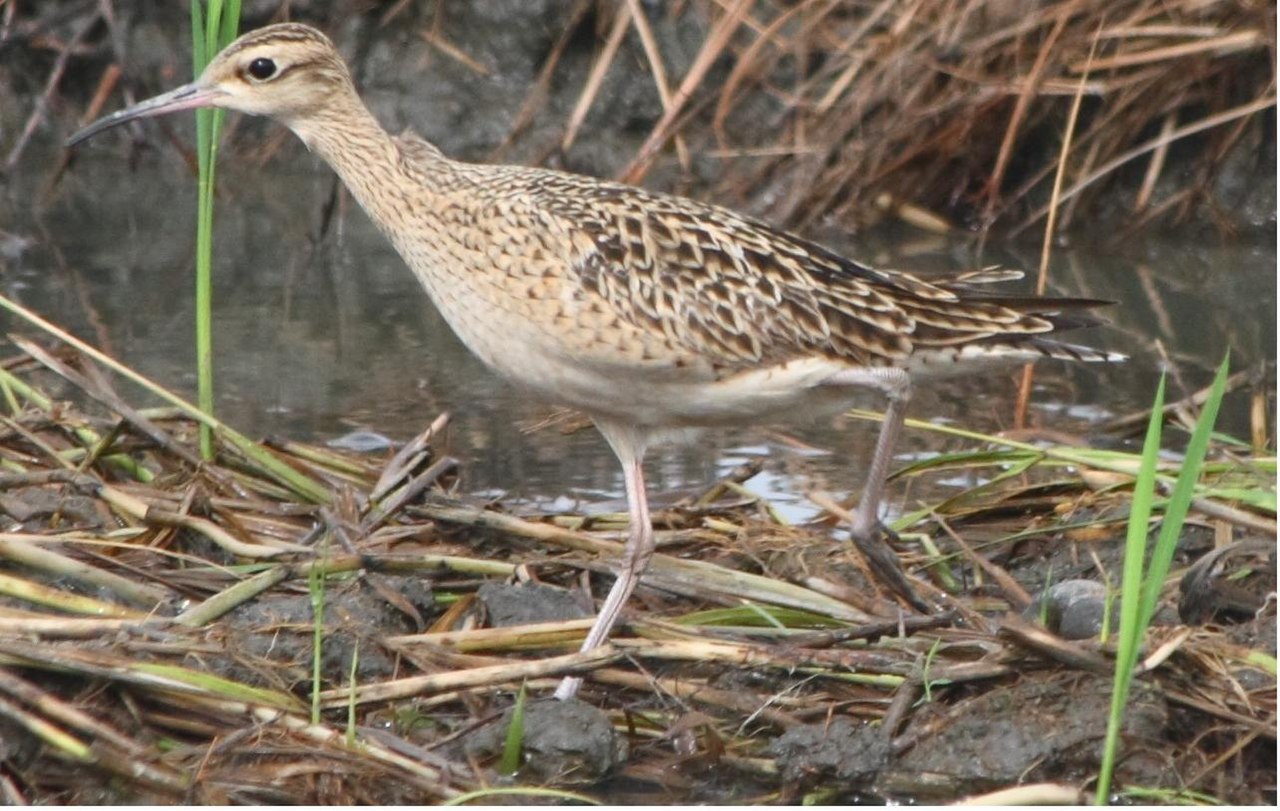
The little cuckoo is a species of bird in the cuckoo family (Cuculidae) from South America and Panama. It was formerly placed in the genus Piaya, but was moved to the reinstated genus Coccycua following the discovery that its closest living relatives are a couple species traditionally placed in Coccyzus or Micrococcyx, rather than the other members of Piaya.
Region
Panama and northern South America
Typical Environment
Found from lowlands and foothills in Panama through Colombia, Venezuela, the Guianas, and parts of the Amazon Basin. It favors dense second growth, riparian thickets, overgrown forest edges, and vine tangles, often close to streams, oxbow lakes, or swampy areas. It is also encountered along mangrove edges and in shaded plantations. The species keeps to mid- to lower understory and tangles where it can move quietly under cover.
Altitude Range
Sea level to 1500 m
Climate Zone
Tropical
Ease of Keeping
Beginner friendly: 1/5
The little cuckoo is a small, skulking cuckoo of Panama and northern South America, often keeping to dense thickets near water. Formerly placed in Piaya, it is now in Coccycua based on genetic relationships. Unlike many Old World cuckoos, it builds its own nest and raises its young. It is more often heard than seen, giving soft, repeated notes from cover.


On the road from Atalaya to Cock-of-the-Rock Lodge - Peru
Temperament
secretive and skulking
Flight Pattern
short rapid wingbeats with brief glides
Social Behavior
Typically solitary or in pairs, moving quietly through dense vegetation. Builds a shallow cup nest in tangles or low shrubs and is believed to be monogamous. Clutch size is small, and both parents likely participate in care, as in related New World cuckoos.
Migratory Pattern
Resident
Song Description
Gives soft, repeated whistles and cooing notes, often a series delivered from within cover. Calls are low and mellow, carrying at close range more than far distances.
Plumage
Small, slender cuckoo with rufous-chestnut upperparts, long graduated tail, and contrasting paler underparts with a grayish throat and breast. Tail often shows pale or whitish tips on the outer feathers. Wings are warm rufous and the overall impression is of a compact, chestnut-toned cuckoo moving low in dense cover.
Diet
Primarily hunts insects, including caterpillars, beetles, grasshoppers, and mantids. It also takes spiders and other small arthropods, occasionally snatching small prey from foliage or the ground. Foraging is deliberate, with short sallies or quick lunges to seize prey on leaves and branches.
Preferred Environment
Feeds in dense understory of secondary growth, along forest edges, and riparian thickets. Often keeps close to watercourses, oxbows, and swamp margins where insect prey is abundant.