
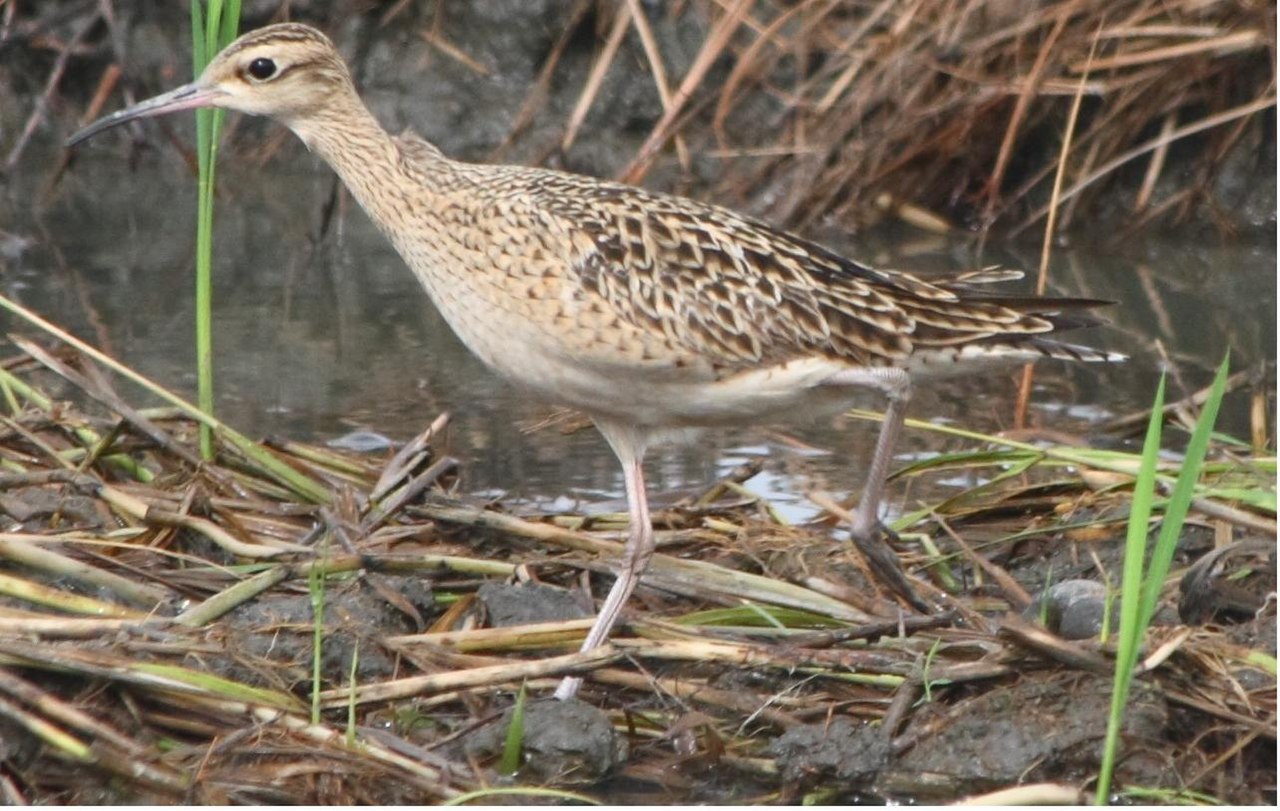
The little curlew is a wader in the large bird family Scolopacidae. It is a very small curlew, which breeds in the far north of Siberia. It is closely related to the North American Eskimo curlew.
Region
East Asian–Australasian Flyway
Typical Environment
Breeds on open, wet tundra and shrubby bogs in far northeastern Siberia. During migration it passes through East Asia, using coastal flats, floodplains, and agricultural fields. In the non-breeding season it occurs mainly in northern Australia, also reaching New Guinea and eastern Indonesia. It favors extensive short-grass plains, seasonally flooded savannas, sports fields, and lightly grazed or recently burned country. Along coasts it uses coastal plains and saltmarsh edges rather than tidal mudflats.
Altitude Range
Sea level to 1000 m
Climate Zone
Other
Ease of Keeping
Beginner friendly: 1/5
The Little Curlew is the smallest member of the curlew genus, with a noticeably shorter, finer bill than other curlews. It breeds in the far north of Siberia and migrates thousands of kilometers to spend the non-breeding season in Australasia. It often forms tight, synchronized flocks on feeding grounds and roosts communally. It is closely related to the extinct or nearly extinct Eskimo Curlew.

Temperament
wary and gregarious
Flight Pattern
strong, fast direct flight with rapid wingbeats; agile in tight flocks
Social Behavior
Highly social on non-breeding grounds, often feeding and roosting in cohesive flocks that can number in the hundreds. Breeding is on the ground, typically with widely spaced nests on open tundra; both parents participate in care. Displays include flights over territory with calling. Outside breeding, birds form day roosts in open areas for safety.
Migratory Pattern
Seasonal migrant
Song Description
Generally quiet, giving soft, musical whistles and trills. Typical calls include clear, high ‘pee-wee’ or ‘tui-tui’ notes, especially in flight and when alarmed.
Plumage
Fine, streaked brown upperparts with buff edges giving a scaly look; underparts pale buff with fine breast streaking grading to cleaner whitish belly. Crown dark and streaked with a contrasting pale supercilium; nape and neck finely streaked. Wings and back appear mottled; underwing relatively plain. Bill slender and gently downcurved, shorter relative to head than in larger curlews.
Diet
Primarily takes insects such as grasshoppers, beetles, ants, and termites; also consumes earthworms and other small invertebrates. It probes and picks in soft ground and short turf, using rapid, delicate pecks. In coastal plains it may take small crustaceans and mollusks opportunistically. Diet varies seasonally with availability, shifting toward terrestrial insects on savannas during the wet season.
Preferred Environment
Feeds on short-grass plains, seasonally wet floodplains, lightly grazed pastures, and recently burned savanna. Often uses irrigated fields, airstrips, and sports ovals where grass is closely cropped. Along coasts, forages on adjacent grasslands and saltmarsh edges rather than open tidal flats.


