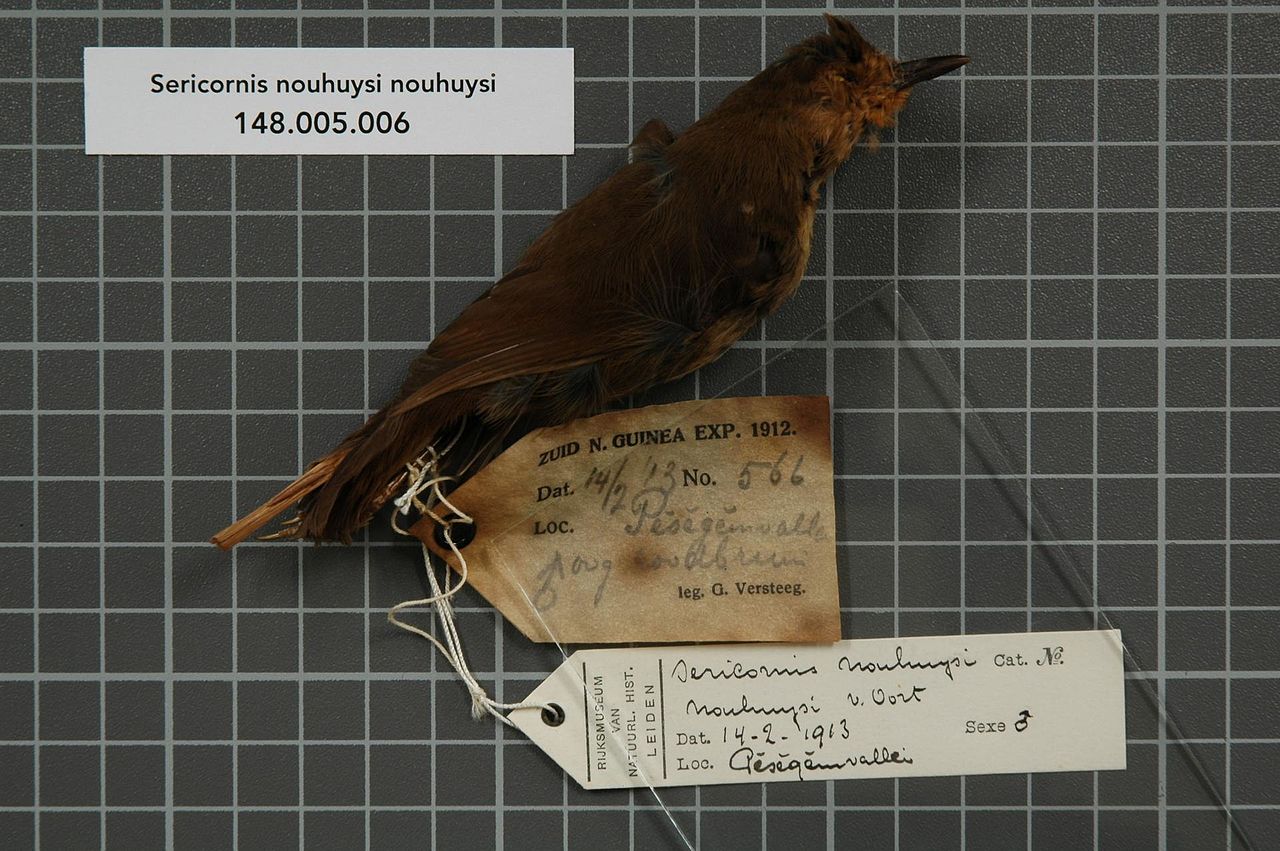
The large scimitar babbler is a species of bird in the family Timaliidae. It is found in Bangladesh, Cambodia, China, India, Laos, Malaysia, Myanmar, Thailand, and Vietnam. Its natural habitats are subtropical or tropical moist lowland forest and subtropical or tropical moist montane forest.
Region
South and Southeast Asia
Typical Environment
Occupies subtropical and tropical moist lowland and montane forests, including evergreen and semi-evergreen tracts. Prefers dense understory, bamboo thickets, vine tangles, and forest edges where cover is abundant. Also uses older secondary growth and ravines with rich leaf litter. It forages near the ground but will move into low shrubs when pursuing prey.
Altitude Range
Sea level to 2000 m
Climate Zone
Tropical
Ease of Keeping
Beginner friendly: 2/5
Named for its long, decurved ‘scimitar’ bill, this babbler skulks through dense undergrowth and is more often heard than seen. Pairs frequently perform antiphonal duets, creating a ringing series of whistles that carry through forest thickets. It often joins mixed-species flocks and uses its strong bill to probe leaf litter, moss, and bamboo for hidden prey.

Temperament
secretive and skulking
Flight Pattern
short rapid wingbeats through low cover
Social Behavior
Typically found in pairs or small family groups and sometimes joins mixed-species foraging flocks. Nests are placed low in dense vegetation or near the ground, with both parents involved in care. Territorial duetting strengthens pair bonds and helps maintain territories.
Migratory Pattern
Resident
Song Description
Loud, ringing whistles often delivered as coordinated duets with alternating phrases. Calls include clear, rising notes and sharp contact calls used to keep in touch within dense cover.
Plumage
Warm brown upperparts with rufous tones on wings and tail; underparts pale buff to whitish, often cleaner on the throat and breast. Face shows a contrasting white supercilium over a darker eyestripe, giving a masked look.
Diet
Feeds mainly on insects and other small invertebrates such as beetles, ants, termites, spiders, and small snails. Probes leaf litter, rotting logs, and mossy trunks with its curved bill. Will occasionally take small berries or seeds when invertebrates are scarce.
Preferred Environment
Forages on or near the ground in dense understory, bamboo, and thickets along forest edges and gullies. Often exploits microhabitats with deep leaf litter and tangled roots where prey accumulates.