

The lanner falcon is a medium-sized bird of prey that breeds in Africa, southeast Europe and just into Asia. It prefers open habitat and is mainly resident, but some birds disperse more widely after the breeding season. A large falcon, it preys on birds and bats. Most likely either the lanner or peregrine falcon was the sacred species of falcon to the ancient Egyptians, and some ancient Egyptian deities, like Ra and Horus, were often represented as a man with the head of a lanner falcon.
Region
Africa, Mediterranean Basin and Middle East
Typical Environment
Found across much of sub-Saharan Africa, North Africa, and into southeast Europe and the Middle East, with isolated populations extending into southwestern Asia. It favors open habitats such as savannas, semi-deserts, grasslands, and agricultural mosaics with scattered trees or cliffs. Nests are typically on cliffs, rocky outcrops, or occasionally in large trees or on human structures. It often uses traditional nesting territories for many years if undisturbed.
Altitude Range
Sea level to 3500 m
Climate Zone
Subtropical
Ease of Keeping
Beginner friendly: 2/5
The lanner falcon is a swift, open-country raptor that hunts mainly birds in agile, low-level pursuits rather than steep stoops. It is among the falcons long used in falconry for its speed and trainability. Ancient Egyptian iconography often depicts deities such as Ra and Horus with the head of a lanner-like falcon, underscoring its cultural significance. Pairs sometimes hunt cooperatively, coordinating to flush and intercept prey.


South Africa
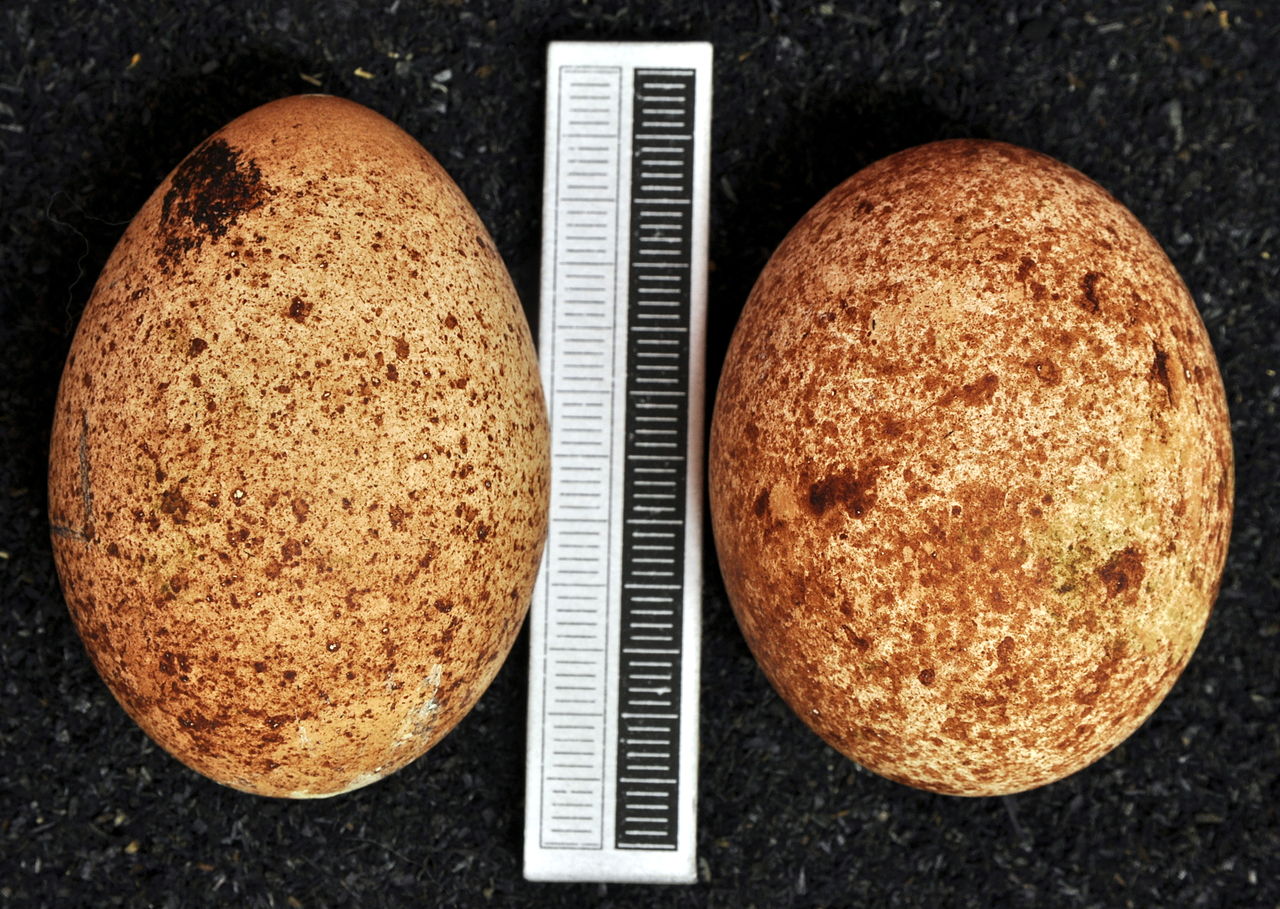
Eggs, Collection Museum Wiesbaden


Temperament
solitary and territorial
Flight Pattern
strong flier with rapid, powerful wingbeats and swift level chases
Social Behavior
Typically seen alone or in pairs, forming long-term monogamous bonds. Nests on cliffs or ledges, occasionally in old stick nests of other birds or on structures. Both adults defend the territory and share duties in rearing the young. Pairs may coordinate hunts, with one bird flushing prey toward the other.
Migratory Pattern
Partial migrant
Song Description
Generally quiet away from the nest, but vocal near territories with sharp, repeated kek-kek or cackling calls. Alarm and territorial calls are harsh and rapid, especially during breeding disturbances.
Plumage
Pale head with a rufous or buff-tinged crown, dark moustachial stripe, and finely streaked whitish underparts. Upperparts are gray-brown to slate with subtle barring; tail shows narrow dark bands. Juveniles are browner above and heavier streaked below.
Diet
Feeds primarily on medium-sized birds such as doves, pigeons, sandgrouse, and passerines. Also takes bats, small mammals, lizards, and large insects when available. Hunts by fast contour flight and surprise flushes rather than solely high stoops, often chasing prey low over open ground. Will exploit flocking birds at waterholes or agricultural fields.
Preferred Environment
Hunts over open savannas, steppe, semi-desert plains, and farmlands, often near cliffs or scattered trees. Frequently uses perches or ridgelines to survey for prey and may quarter over grasslands.


