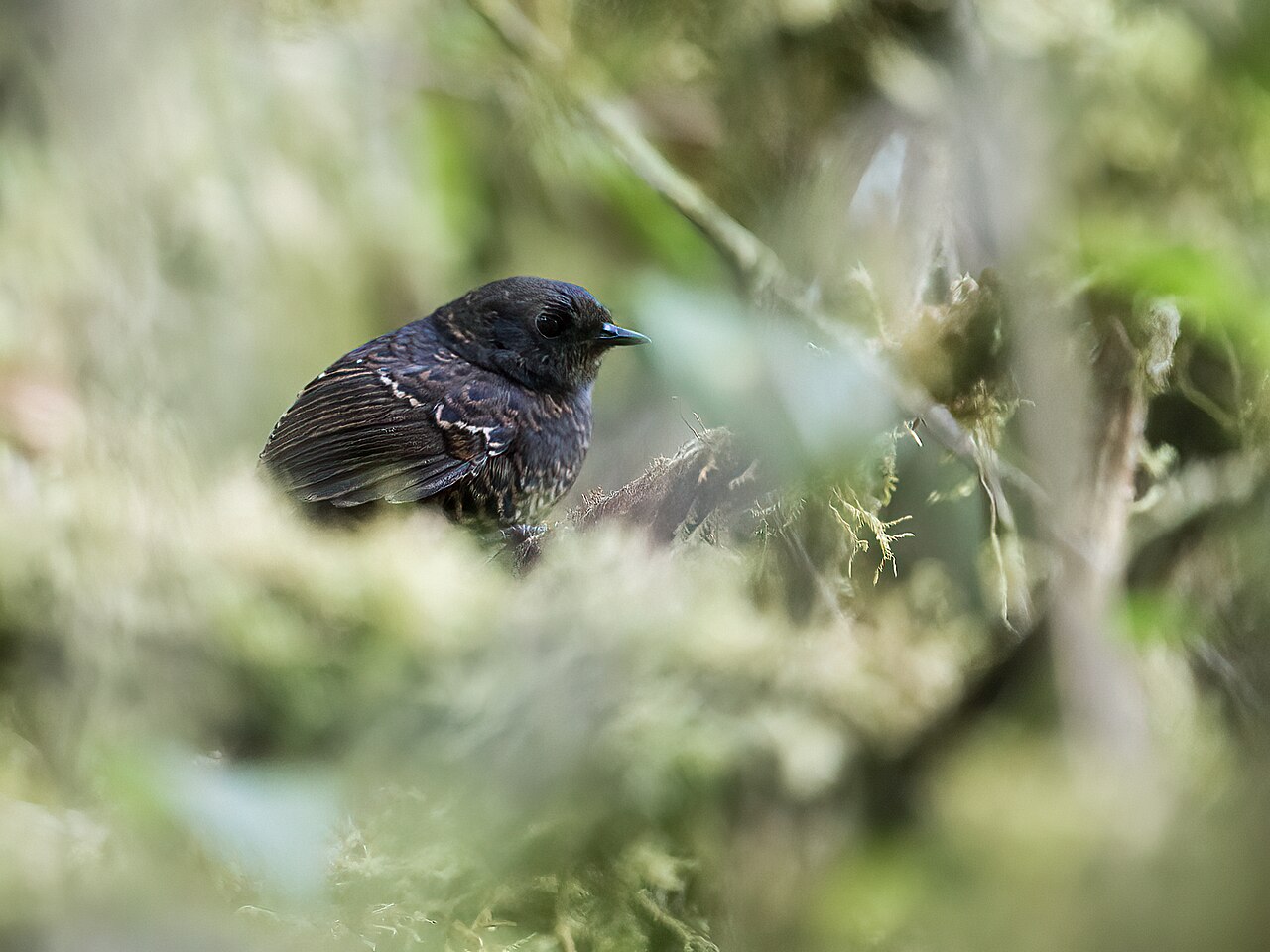
The Junin canastero is a species of bird in the Furnariinae subfamily of the ovenbird family Furnariidae. It is endemic to Peru.
Region
Central Andes of Peru
Typical Environment
Occurs in the central Peruvian Andes, especially around Lake Junín and neighboring highland valleys and ridges. It inhabits puna grasslands with scattered shrubs, rocky slopes, and edges of high-altitude agricultural plots. Birds keep close to the ground, moving through dense bunchgrasses and low bushes while foraging. It may also use shrubby patches and stone fencerows as cover. Local presence is patchy, tracking suitable grass–shrub mosaics.
Altitude Range
3500–4600 m
Climate Zone
Highland
Ease of Keeping
Beginner friendly: 1/5
The Junín canastero is a high-Andean furnariid specialized for life in windswept puna grasslands around Peru’s Lake Junín and adjacent ranges. Its common name “canastero” refers to the stick-basket style nests many species in this group build in shrubs or grass clumps. It keeps low to the ground, weaving through bunchgrasses and shrubs, and is more often detected by its dry trills than by sight.


Temperament
shy and skulking, locally territorial
Flight Pattern
short rapid wingbeats, low undulating dashes between cover
Social Behavior
Usually found singly or in pairs, maintaining small territories within suitable grass–shrub habitat. Pairs communicate with trills and may duet. Nest is typically a bulky, basket-like structure of sticks or grass placed low in shrubs or dense tussocks.
Migratory Pattern
Resident
Song Description
A dry, rattling trill that accelerates slightly, interspersed with sharp ticks and chips. Calls are thin, tsee-like notes given from within grass clumps or low perches.
Plumage
Warm brown upperparts with fine pale streaking, contrasting rufous wings and tail, and streaked buffy underparts. The tail is relatively long and graduated, typical of canasteros. Texture appears slightly shaggy with neatly edged feathering on the mantle.
Diet
Primarily small arthropods such as beetles, ants, spiders, and caterpillars gleaned from ground litter, grass stems, and low shrubs. It probes into tussocks and among rocks, occasionally sallying a short distance to snatch prey. Seeds or small plant matter may be taken opportunistically but form a minor part of the diet.
Preferred Environment
Forages in dense puna bunchgrasses, low shrub thickets, and along rocky edges and stone walls. Often stays concealed, working methodically through cover and creeping along the ground or low branches.