

The jungle bush quail is a species of quail in the family Phasianidae. It is native to the Indian subcontinent, where it is found in peninsular India and Sri Lanka. It has also been reported from Nepal but has not been seen there since the 19th century, and an introduced population exists on the island of Réunion. A small species of quail 15–18 cm (5.9–7.1 in) long and weighing 57–82 g (2.0–2.9 oz), it shows significant sexual dimorphism. Males have brown upperparts with blackish and buff marking and whitish underparts with black barring. The face is mainly dark reddish-brown, with brown ear-coverts, a buffy-white moustachial stripe, and the supercilium turning whitish towards the back of the neck. Females have a similar pattern, but with pinkish-brown underparts, more uniform wings, and duller moustachial stripes.
Region
Indian Subcontinent
Typical Environment
Occurs widely across peninsular India and in Sri Lanka, favoring dry grasslands, thorn scrub, open forest edges, and weedy field margins. It avoids dense forest and very wet habitats, instead using mosaic landscapes with cover for concealment and nearby open patches for foraging. The species may use fallow farmland and roadside scrub where grasses and seeds are abundant. A small introduced population is established on Réunion.
Altitude Range
0–1500 m
Climate Zone
Tropical
Ease of Keeping
Beginner friendly: 2/5
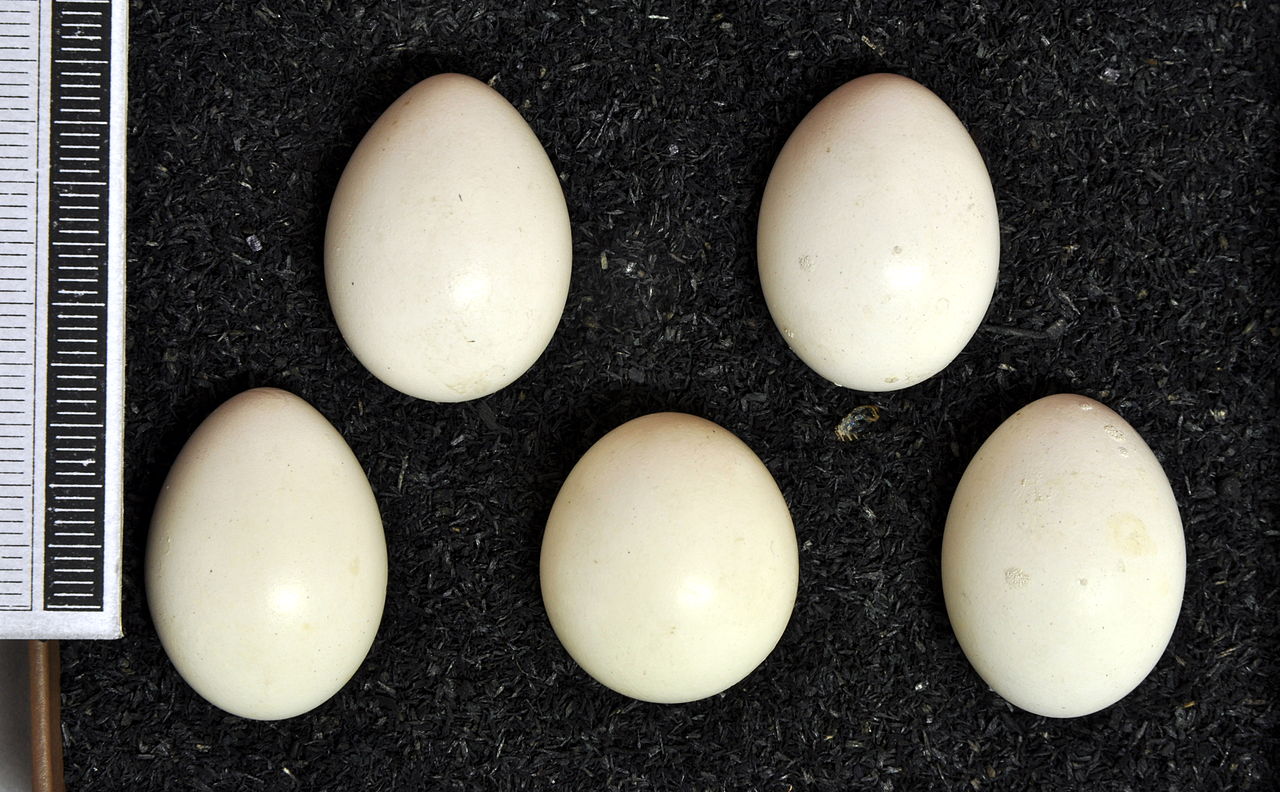
Jungle bush quail are small, ground-dwelling quails that move in tight coveys, often flushing suddenly with a burst of whirring wings when disturbed. They favor dry scrub and field edges and are most active in the cool hours of morning and late afternoon. Breeding is typically timed with the rains, with a shallow ground nest hidden under grass tussocks. They are native to India and Sri Lanka, with an introduced population on Réunion.


Temperament
secretive and wary
Flight Pattern
explosive short flights with rapid whirring wingbeats
Social Behavior
Outside the breeding season they travel in coveys, often 5–15 birds, maintaining contact calls while foraging. Nests are shallow scrapes on the ground, concealed under grass clumps, with a clutch typically laid soon after seasonal rains. Pairs form during the breeding period, and adults lead chicks to foraging sites soon after hatching.
Migratory Pattern
Resident
Song Description
Calls are a series of clear, whistled notes, often given in short bursts from cover. Covey members keep contact with soft chirps and trills, turning louder and more insistent when alarmed.
Plumage
Male with brown upperparts marked blackish and buff, whitish underparts with bold black barring; face dark rufous-brown with buffy-white moustachial stripe and pale supercilium. Female similar but duller, with pinkish-brown underparts, more uniform wings, and less distinct moustachial stripes. Both sexes show fine barring and mottling that provide strong camouflage in dry scrub.
Diet
Feeds primarily on grass and weed seeds, grains, and tender shoots. Supplements this with small invertebrates such as ants, termites, beetles, and their larvae, especially during the breeding season. Foraging is mostly by pecking and scratching at the ground and in low vegetation.
Preferred Environment
Forages along paths, field margins, fallow plots, and open scrub with scattered cover. Frequently uses edges of dry deciduous woodland and thorn scrub where seed-rich grasses are common.


