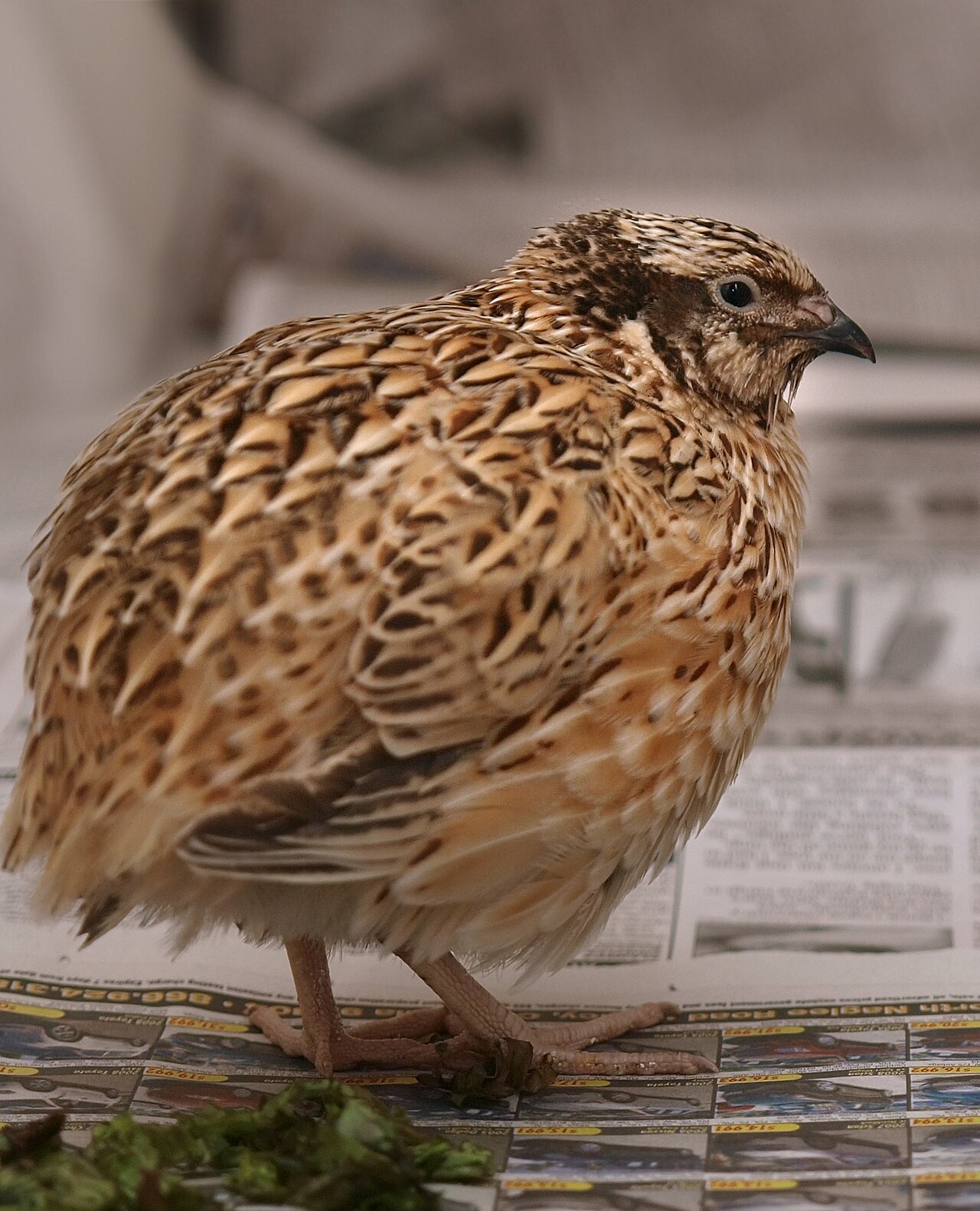
The Japanese night heron is a species of night heron found in East Asia. It breeds in Japan, and winters in the Philippines and Indonesia. It is also seen in the spring and summer in Korea and the Russian Far East.
Region
East and Southeast Asia
Typical Environment
The Japanese night heron breeds mainly in Japan in warm, moist forests, especially evergreen broadleaf woodlands with clean, shaded streams. In the non-breeding season it migrates to the Philippines and Indonesia, using lowland forests, riparian thickets, and nearby wetlands. It is occasionally recorded in Korea and the Russian Far East during spring and summer passage. The species favors dense understory for cover and foraging, and may also use forest edges and traditional rice paddies near woodlands.
Altitude Range
Sea level to 1500 m
Climate Zone
Subtropical
Ease of Keeping
Beginner friendly: 1/5
This elusive forest heron is most active at dusk and dawn, often slipping silently through dense understory near streams. Its dependence on mature evergreen broadleaf forests makes it highly sensitive to logging and river alteration. Habitat loss across both breeding and wintering grounds is the main driver of its decline. Its deep, hooting calls at dusk can reveal its presence even when it remains unseen.


Temperament
solitary and secretive
Flight Pattern
short rapid wingbeats followed by low glides through trees
Social Behavior
Typically solitary or in pairs during the breeding season. Nests singly or in very loose groups, placing a stick platform in trees near streams. Both sexes likely share incubation and chick-rearing duties. Outside breeding, it remains unobtrusive and dispersed.
Migratory Pattern
Seasonal migrant
Song Description
Vocalizations are low, booming hoots and harsh croaks, most often given at dusk or at night. Calls carry through forest understory and can be the best clue to its presence.
Plumage
Warm rufous-brown overall with darker mottling above and fine streaking below; crown and nape darker; throat paler and lightly streaked. Feathers appear soft and cryptic, aiding concealment in forest shade.
Diet
Primarily takes earthworms, beetles, and other large insects gleaned from damp leaf litter. It also captures amphibians, small fish, snails, and crustaceans along shaded streams. Foraging is methodical, with slow stalking and sudden jabs of the bill.
Preferred Environment
Feeds on the forest floor and along small, clear streams within dense evergreen or mixed forests. During migration and winter it may also use forest edges, riparian thickets, and traditional rice fields adjoining woodlands.