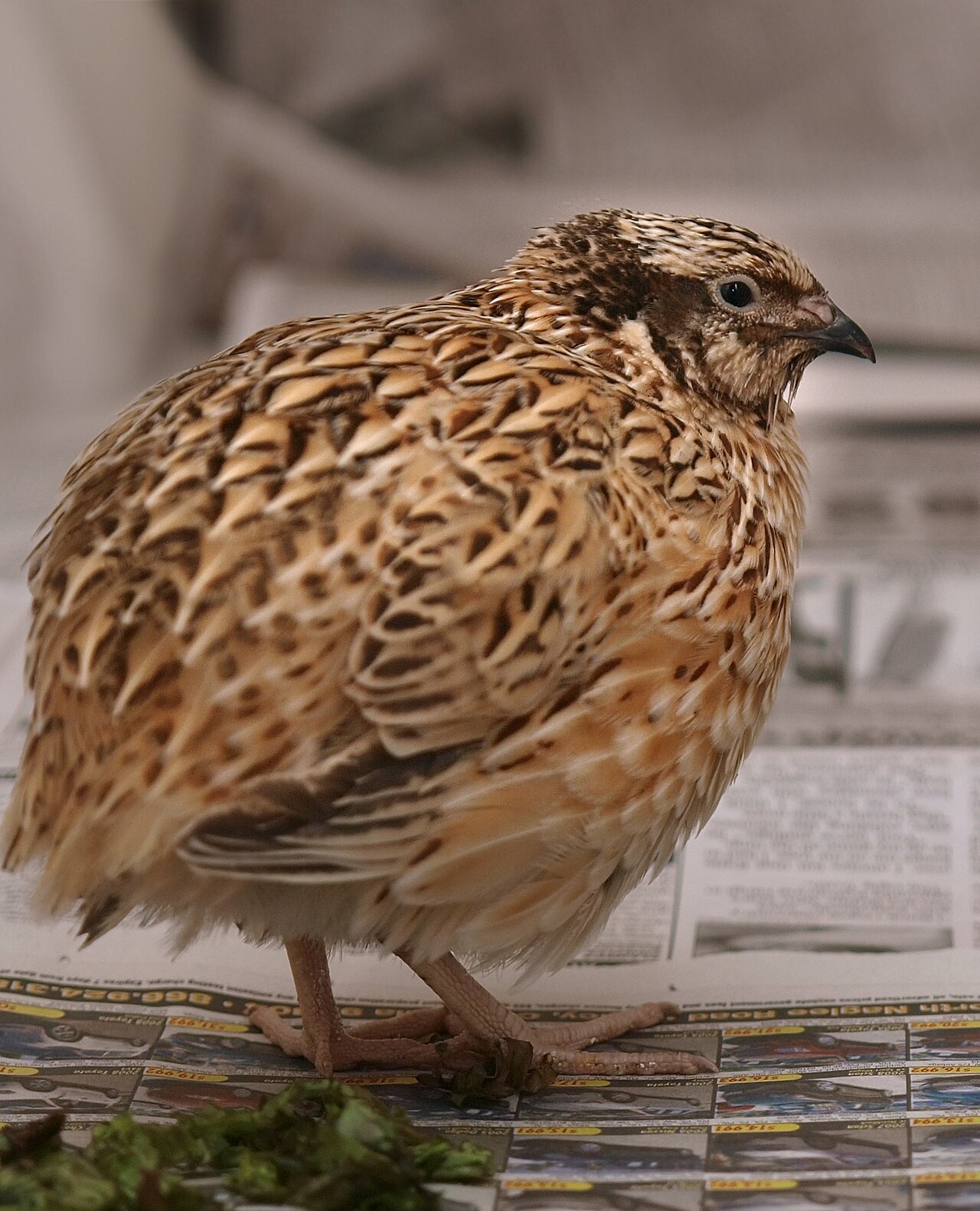
The Japanese leaf warbler is a leaf warbler. The species was first described by Robert Swinhoe in 1863. It was formerly included in the "Old World warbler" assemblage. It is closely related to the Arctic warbler and the Kamchatka leaf warbler, to which it was formerly considered conspecific.
Region
East Asia
Typical Environment
Breeds primarily in temperate forests of the main Japanese islands, favoring mixed and broadleaf woodland with dense understory. Outside the breeding season it migrates to parts of Southeast Asia, using forest edges, secondary growth, and wooded parks. During passage it may also appear in coastal thickets and shrubby habitats. It typically keeps to foliage from low understory to mid-canopy, where it forages methodically.
Altitude Range
Sea level to 1800 m
Climate Zone
Temperate
Ease of Keeping
Beginner friendly: 1/5
Once lumped within the Arctic warbler complex, the Japanese leaf warbler was split based on vocal and genetic differences. It breeds mainly in Japan and is best identified by its distinctive, accelerating trill. Subtle plumage differences from the Arctic and Kamchatka leaf warblers are hard to see in the field, so song is often crucial. It forages actively among leaves and twigs, gleaning small insects.

Temperament
active and somewhat skulking
Flight Pattern
short rapid wingbeats with agile, darting movements
Social Behavior
Breeds solitarily in defended territories; pairs form seasonally. The nest is a domed cup placed low in vegetation or on the ground, and the female typically undertakes most incubation. Outside breeding, it may join mixed-species flocks while foraging. Monogamous during the breeding season.
Migratory Pattern
Seasonal migrant
Song Description
A rapid, high-pitched series of accelerating trills and phrases, often rising in intensity. Calls include sharp chips and soft tsee notes. Song is a key field mark distinguishing it from closely related Arctic-complex warblers.
Plumage
Olive-green upperparts with paler, yellow-washed underparts and clean whitish throat and belly. A strong pale supercilium contrasts with a darker eye-stripe; wing bars are faint or absent. Feathers are fine and smooth, giving a neat, sleek appearance.
Diet
Primarily small arthropods such as caterpillars, beetles, flies, spiders, and their larvae, gleaned from leaves and twigs. It occasionally hawks tiny insects in short sallies. During migration and winter it may supplement its diet with small berries when insects are scarce.
Preferred Environment
Feeds in the understory to mid-canopy of mixed and broadleaf forests, often along edges and clearings. In non-breeding areas it uses secondary growth, mangrove edges, and wooded parks.