

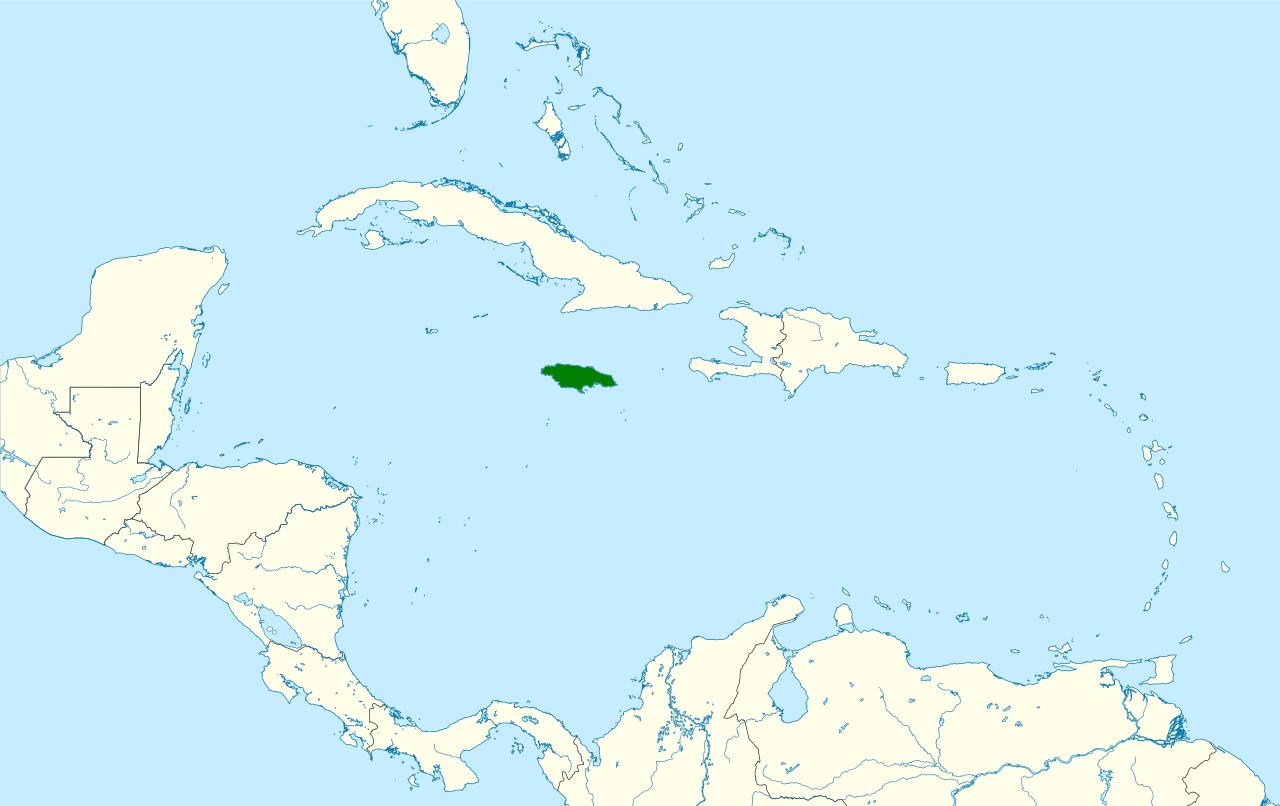
The Small Jamaican elaenia is a species of bird in the family Tyrannidae. It is endemic to Jamaica. Its natural habitats are subtropical or tropical moist lowland forests, subtropical or tropical moist montane forests, and heavily degraded former forest.
Region
Greater Antilles (Jamaica)
Typical Environment
Occurs throughout Jamaica in subtropical and tropical moist lowland and montane forests, as well as secondary growth and forest edges. It tolerates degraded habitats and shade-coffee or mixed agroforestry mosaics where native trees remain. Birds typically forage from the understory to mid-canopy, especially along gaps and light-filled edges. Riparian corridors and hillside forests also hold consistent numbers.
Altitude Range
Sea level to 1800 m
Climate Zone
Tropical
Ease of Keeping
Beginner friendly: 1/5
This small tyrant flycatcher is found only in Jamaica and is often detected by its thin, whistled phrases before it’s seen. It adapts well to forest edges and even degraded woodlands, sallying out from low to mid-level perches to snatch insects. Subtle field marks like two pale wingbars and a faint eye-ring help separate it from other small olive flycatchers. It is currently not considered threatened and persists across much of the island.

Temperament
alert and active
Flight Pattern
short rapid wingbeats with quick sallies
Social Behavior
Usually seen singly or in pairs and often joins mixed-species flocks while foraging. Breeding pairs defend small territories; the cup nest is placed in a fork or on a horizontal branch. Both parents typically attend the young.
Migratory Pattern
Resident
Song Description
A series of thin, high-pitched whistles and sharp chips, often delivered from a mid-level perch. Phrases are repeated with pauses and become most persistent at dawn. Calls include soft tseep notes during foraging.
Plumage
Olive-green upperparts with slightly grayer head, whitish throat, and pale yellowish wash on the belly; two pale wingbars on dusky wings; slight, often inconspicuous crest.
Diet
Primarily captures small flying and leaf-dwelling insects such as flies, beetles, bugs, and caterpillars, along with occasional spiders. Forages by sallying from exposed perches and by gleaning from foliage. May take small berries opportunistically, especially when insect prey is scarce.
Preferred Environment
Favors forest edges, light gaps, and secondary growth where prey is abundant and perches are open. Also uses shaded plantations and wooded gardens near continuous forest.


