

The grey-necked rockfowl is a medium-sized bird in the family Picathartidae with a long neck and tail. Also known as the grey-necked picathartes, this passerine is mainly found in rocky areas of close-canopied rainforest from south-west Nigeria through Cameroon, Equatorial Guinea, and south-west Gabon. It additionally lives on the island of Bioko. Its distribution is patchy, with populations often isolated from each other. The rockfowl typically chooses to live near streams and inselbergs in its forested habitat. It has no recognized subspecies, though some believe that it forms a superspecies with the white-necked rockfowl. The grey-necked rockfowl has grey upperparts, a light grey breast, and lemon-coloured underparts. Its unusually long tail is used for balance, and its thighs are muscular. The head is nearly featherless, with the exposed skin being powder blue on the forehead and upper mandible and carmine on the hindcrown. The bird's cheeks and eyes are covered in a large, circular black patch that, though narrow, connects and divides the carmine and powder blue skin at the peak of the crown. Though the bird is usually silent, some calls are known.
Region
West-Central Africa (Gulf of Guinea)
Typical Environment
Occurs patchily from southwest Nigeria through southern Cameroon to Equatorial Guinea (including Bioko) and southwestern Gabon. It inhabits close-canopied lowland and foothill rainforests, especially along shaded streams and rocky ravines. The species favors inselbergs, granite boulder fields, and caves where suitable nesting overhangs exist. Colonies are localized and often isolated by expanses of unsuitable habitat.
Altitude Range
Sea level to 1200 m
Climate Zone
Tropical
Ease of Keeping
Beginner friendly: 1/5
Also called the grey-necked picathartes or Cameroon rockfowl, it nests in small colonies on mud-cup nests plastered to cave walls or rock overhangs. It is shy and often silent, moving with long, springy hops among boulders in shaded rainforest ravines. The nearly bare head shows striking powder-blue and carmine skin with a bold black facial patch. Habitat loss and fragmentation pose the main threats to this species.


The forests around Mount Cameroon are a nesting area
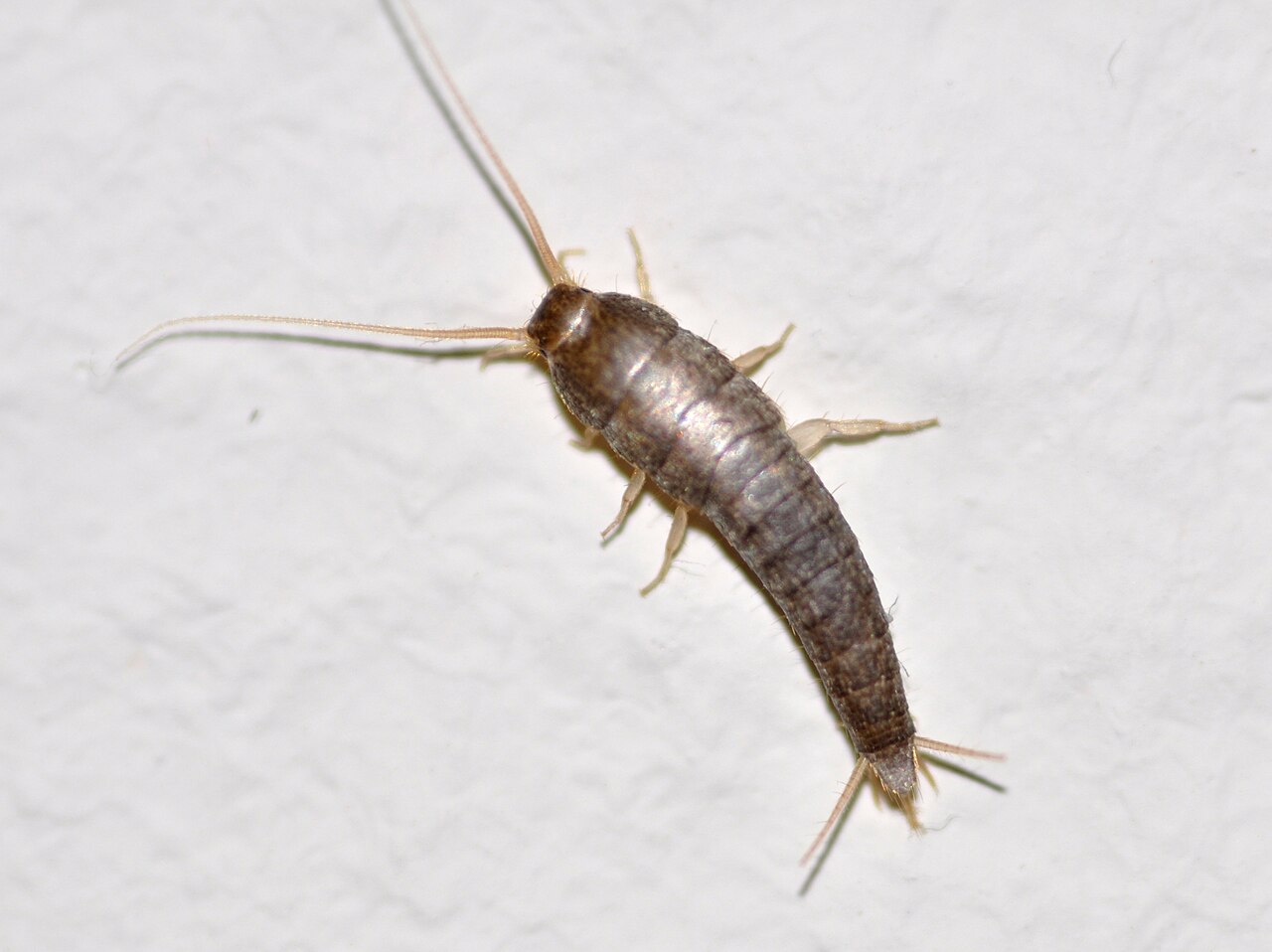
A silverfish, one of the rockfowl's prey items

A farmer's field on Mount Cameroon
Temperament
shy and secretive
Flight Pattern
short rapid wingbeats; prefers hopping and scrambling over rocks
Social Behavior
Usually seen singly or in pairs while foraging, but breeds in loose colonies on rock faces under overhangs or in caves. Pairs build mud-cup nests and often reuse or repair them in subsequent seasons. Both parents share incubation and chick rearing.
Migratory Pattern
Resident
Song Description
Typically quiet; vocalizations near colonies include soft whistles, clucks, and piping notes. Alarm calls are low, guttural croaks, often given from concealed perches.
Plumage
Smooth grey upperparts with a pale grey neck and breast, and lemon-yellow belly; long tail used for balance; wings dusky-grey. Head largely bare-skinned with contrasting colors and a sleek, muscular thigh profile.
Diet
Primarily feeds on insects and other invertebrates such as beetles, ants, termites, and caterpillars, taken from leaf litter, rock crevices, and stream margins. Occasionally captures small vertebrates like frogs or lizards. It may flip leaves and probe among boulders using quick, deliberate movements.
Preferred Environment
Forages on the dim forest floor and along shaded rocky streams, especially where boulders and overhangs provide crevices. Often stays close to nesting cliffs within dense, undisturbed rainforest.


