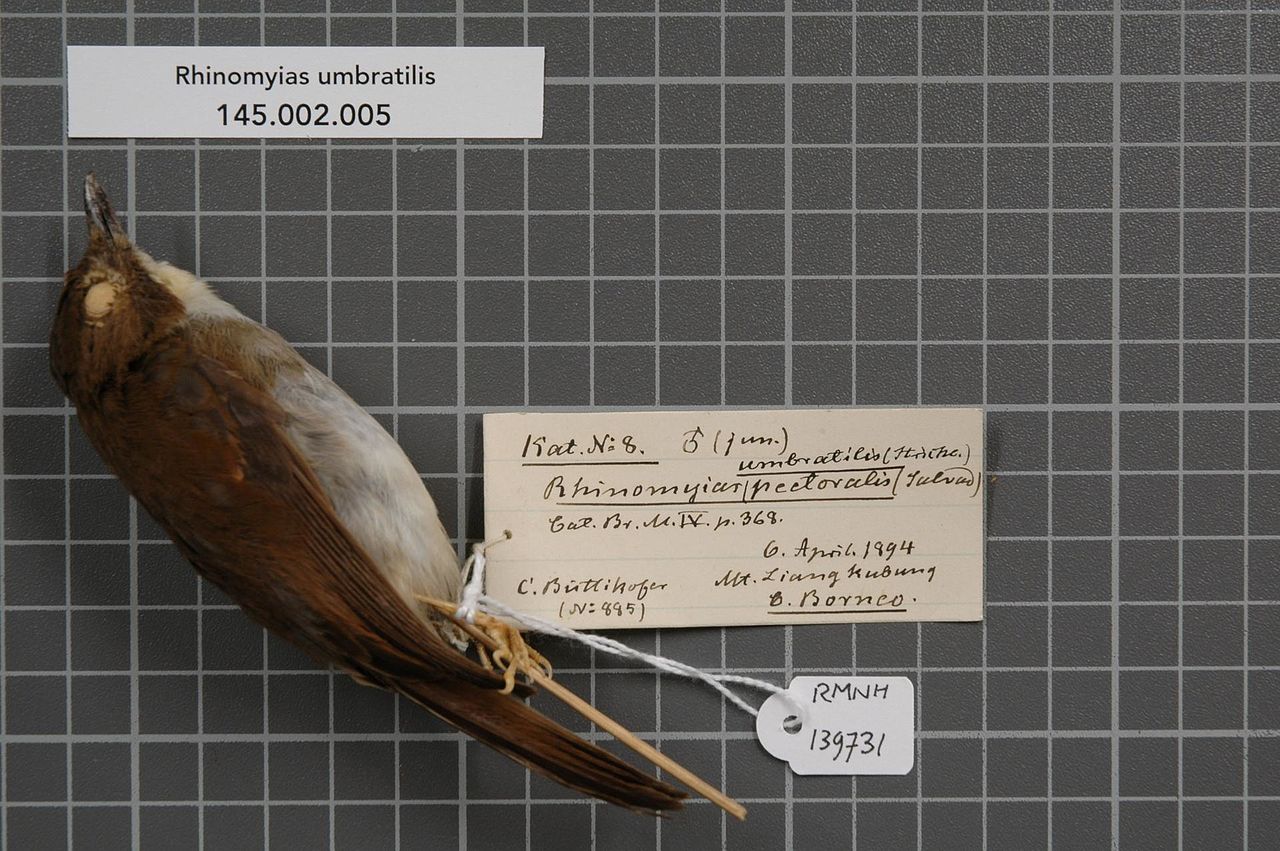
The grey-cheeked warbler is a species of leaf warbler. It was formerly included in the "Old World warbler" assemblage.
Region
Eastern Himalayas and Southeast Asia
Typical Environment
Occurs from the eastern Himalayas of northeastern India and Bhutan through northern Myanmar and southern China to northern Thailand, Laos, and Vietnam. It favors evergreen and mixed broadleaf forests with dense understory, often near streams and ravines. The species breeds in cooler montane forests and moves downslope or southward in the non-breeding season. It adapts to secondary growth and forest edges but is most numerous in mature, humid forest. In winter it can be found in lower elevations and foothill forests.
Altitude Range
600–2800 m
Climate Zone
Subtropical
Ease of Keeping
Beginner friendly: 1/5
The grey-cheeked warbler is a leaf warbler once grouped within the broad 'Old World warbler' assemblage. It is an active foliage-gleaner that often joins mixed-species flocks in forest canopies. Its soft, high-pitched song and distinctive grey cheeks with a yellowish supercilium help separate it from similar greenish warblers.

Temperament
active and somewhat skulking
Flight Pattern
short rapid wingbeats with quick dashes between perches
Social Behavior
Often forages in small groups and readily joins mixed-species flocks in the canopy and midstory. Breeding pairs are territorial and build a cup-shaped nest concealed in low shrubs, banks, or dense ground cover. Clutch sizes are small, and both adults may participate in feeding nestlings.
Migratory Pattern
Seasonal migrant
Song Description
Song is a series of high, thin, sweet whistles and trills delivered in short phrases. Calls are sharp tsip or tsee notes that can cut through background forest noise. The overall vocalization is delicate but persistent during the breeding season.
Plumage
Olive-green upperparts with paler, whitish to yellow-washed underparts; cheeks are distinctly grey, contrasting with the surrounding green tones. Shows a clean yellowish supercilium and fine, pointed bill; subtle pale wingbars may be present. Overall appearance is a small, bright greenish leaf warbler with a cool-toned face.
Diet
Primarily consumes small arthropods, including caterpillars, beetles, flies, and spiders. It gleans prey from leaves and twigs, occasionally hover-gleaning to pick insects from foliage. During the non-breeding season it may take tiny berries opportunistically but remains strongly insectivorous.
Preferred Environment
Forages in the midstory to canopy of humid broadleaf forest, especially along streamside vegetation and edges with dense foliage. Also uses bamboo thickets and secondary forest where insect abundance is high.