

The great grey owl is a true owl, and is the world's largest species of owl by length. It is distributed across the Northern Hemisphere, and it is the only species in the genus Strix found in both Eastern and Western Hemispheres. In some areas it is also called the Phantom of the North, cinereous owl, spectral owl, Lapland owl, spruce owl, bearded owl, and sooty owl.
Region
Boreal forests of North America and Eurasia
Typical Environment
This species occupies the circumboreal belt from Scandinavia and Siberia across to Alaska and Canada, with outlying populations in the northern Rocky Mountains and Sierra Nevada. It favors mature coniferous and mixed forests interspersed with meadows, bogs, and forest clearings that support high vole populations. In winter it may move to lower elevations or more open habitats as prey availability changes. It nests in broken-topped trees, large stick nests left by other raptors, or occasionally on artificial platforms.
Altitude Range
Sea level to 3000 m
Climate Zone
Continental
Ease of Keeping
Beginner friendly: 1/5
The great grey owl is the world’s largest owl by length, with an enormous facial disk that helps it pinpoint prey beneath snow. It ranges across the boreal forests of the Northern Hemisphere and is sometimes called the Phantom of the North or cinereous owl. Despite its size, it is relatively light and relies heavily on hearing to hunt small mammals in dense forests and open bogs.


Cross-sectioned great grey owl specimen showing the extent of the body plumage, Copenhagen Zoological Museum

Detail of the head, Kenai National Wildlife Refuge, Alaska

Adult female

Adult male great grey owl (Canada)
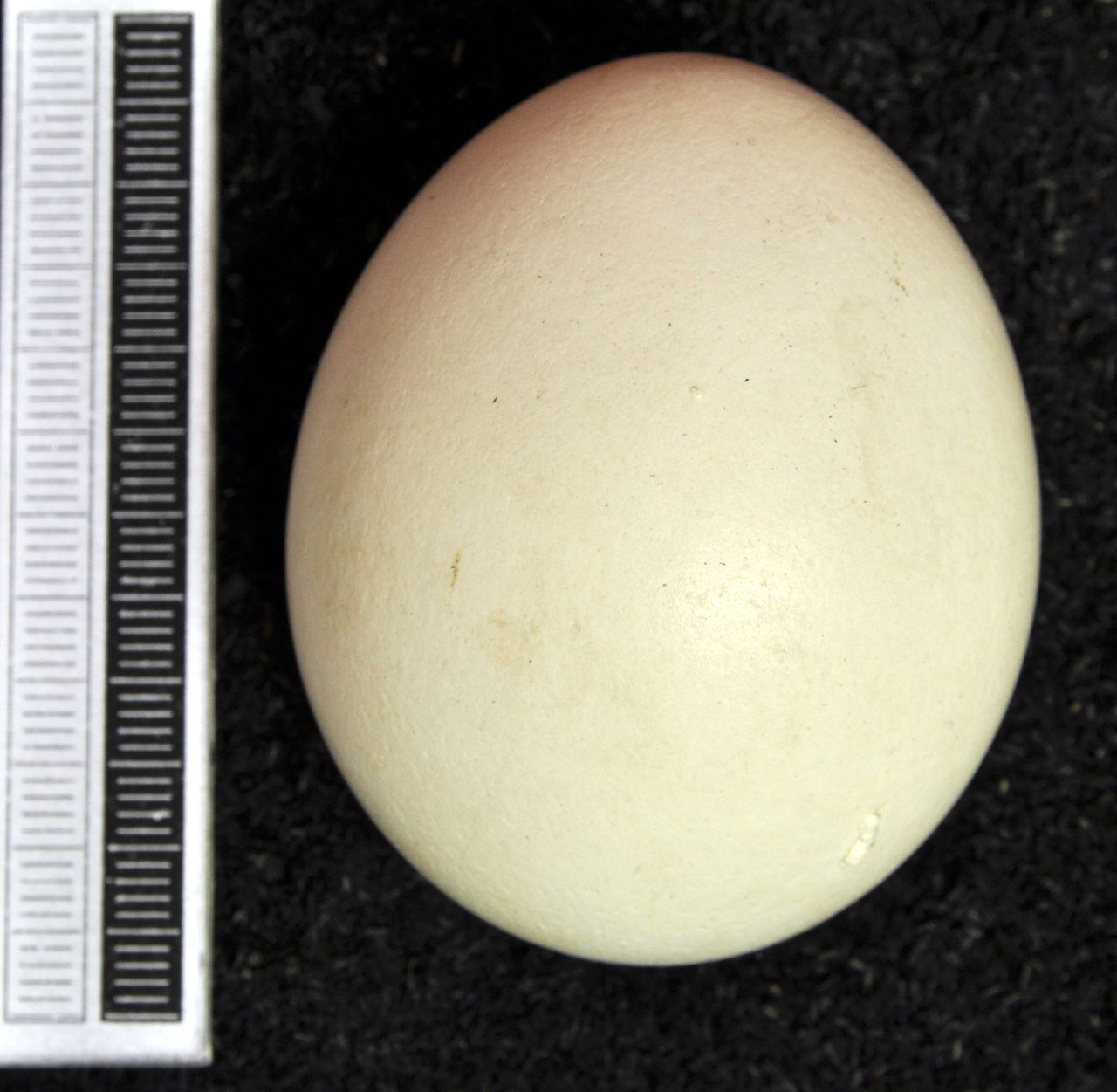
Egg, Collection Museum Wiesbaden

Windblown juvenile great grey owl

Owl in flight

Plumage of the face (Weltvogelpark Walsrode)
Temperament
solitary and territorial
Flight Pattern
buoyant, silent glider with deep wingbeats
Social Behavior
Typically solitary outside the breeding season. Pairs form during late winter; they do not build their own nests, instead using broken snags or old raptor nests. Clutch size varies with prey cycles, and breeding may be skipped in poor vole years. Adults defend nests but are otherwise unobtrusive.
Migratory Pattern
Partial migrant
Song Description
The song is a series of deep, evenly spaced hoots that carry far through forests. It also gives low hoots, barks, and soft calls around the nest, while young produce hissing or begging calls.
Plumage
Soft, dense, silver-grey plumage with fine streaking and barring; very large round facial disk with concentric rings.
Diet
Primarily hunts small mammals, especially voles, but also takes shrews, mice, small birds, and occasionally amphibians. It detects prey by sound and can strike through crusted snow to seize animals moving below the surface. Perches low to medium height, then launches short, silent flights to pounce. Diet composition tracks local rodent cycles.
Preferred Environment
Foraging occurs along forest edges, meadows, peat bogs, and willow-lined openings within mature coniferous or mixed forests. In winter it often hunts more open areas where prey is more accessible.


