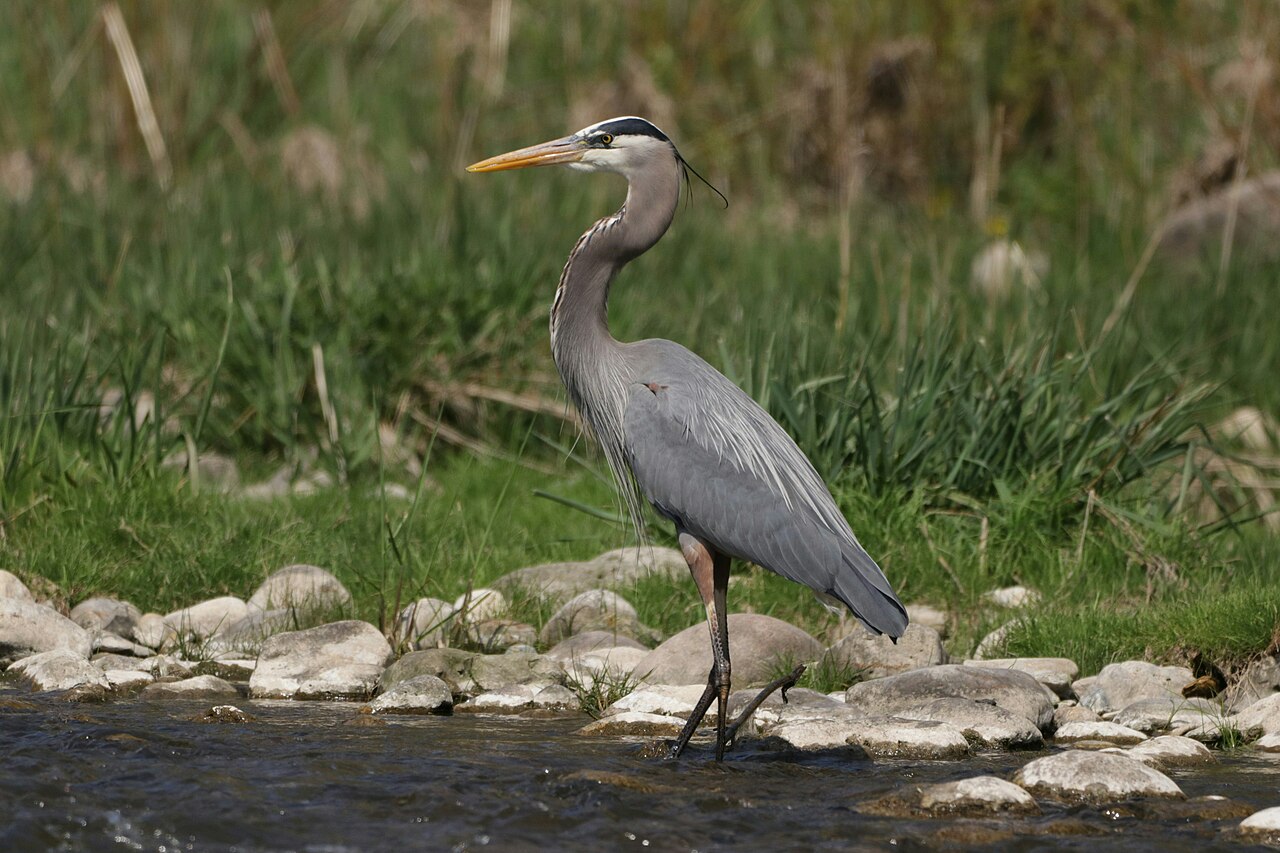
The great black hawk is a bird of prey in the family Accipitridae, which also includes the eagles, hawks, and Old World vultures.
Region
Neotropics (Central and South America)
Typical Environment
Typically found along forested rivers, oxbow lakes, mangroves, flooded varzea, and swampy edges of lowland evergreen forest. It also uses gallery forests in savanna regions and coastal wetlands. The species often perches high above water or clearings to watch for prey and will forage on the ground along banks. It tolerates semi-open areas but remains closely tied to wet, wooded habitats.
Altitude Range
Sea level to 1500 m
Climate Zone
Tropical
Ease of Keeping
Beginner friendly: 1/5
The great black hawk is a large Neotropical raptor noted for its long legs and broad white tail band, which help distinguish it from the similar common black hawk. It frequents rivers, mangroves, and swamp forests, often hunting from prominent perches. Its diet is unusually varied for a hawk and includes crabs, reptiles such as iguanas and snakes, small mammals, and amphibians. Mostly sedentary, it is occasionally recorded as a rare vagrant far north of its usual range.


Temperament
solitary and territorial
Flight Pattern
soaring glider with steady, shallow wingbeats
Social Behavior
Usually seen alone or in pairs, defending stretches of riverine habitat. Pairs build a large stick nest high in a tree near water. They are thought to be monogamous, with the female doing most incubation while the male provides food. Typical clutches are small, often one egg.
Migratory Pattern
Resident
Song Description
The call is a loud, whistled series of clear, piping notes, often given from a high perch. During territorial displays it may deliver repeated, ringing cries that carry over long distances.
Plumage
Mostly uniform sooty-black plumage with a glossy sheen; long tail and long yellow legs. The tail shows a broad white band and a narrow white tip.
Diet
An opportunistic predator feeding on reptiles (iguanas, snakes), amphibians, crabs and other crustaceans, small mammals, fish, and occasionally birds. It hunts from exposed perches, dropping to seize prey on the ground or in shallow water. In mangroves and tidal flats it actively searches for crabs, and along rivers it patrols banks for basking reptiles. It may also scavenge when opportunities arise.
Preferred Environment
Forages along muddy banks, mangrove roots, and forest edges near water where prey is abundant and accessible. Frequently uses high perches overlooking open patches or waterways, moving between lookout points along a territory.