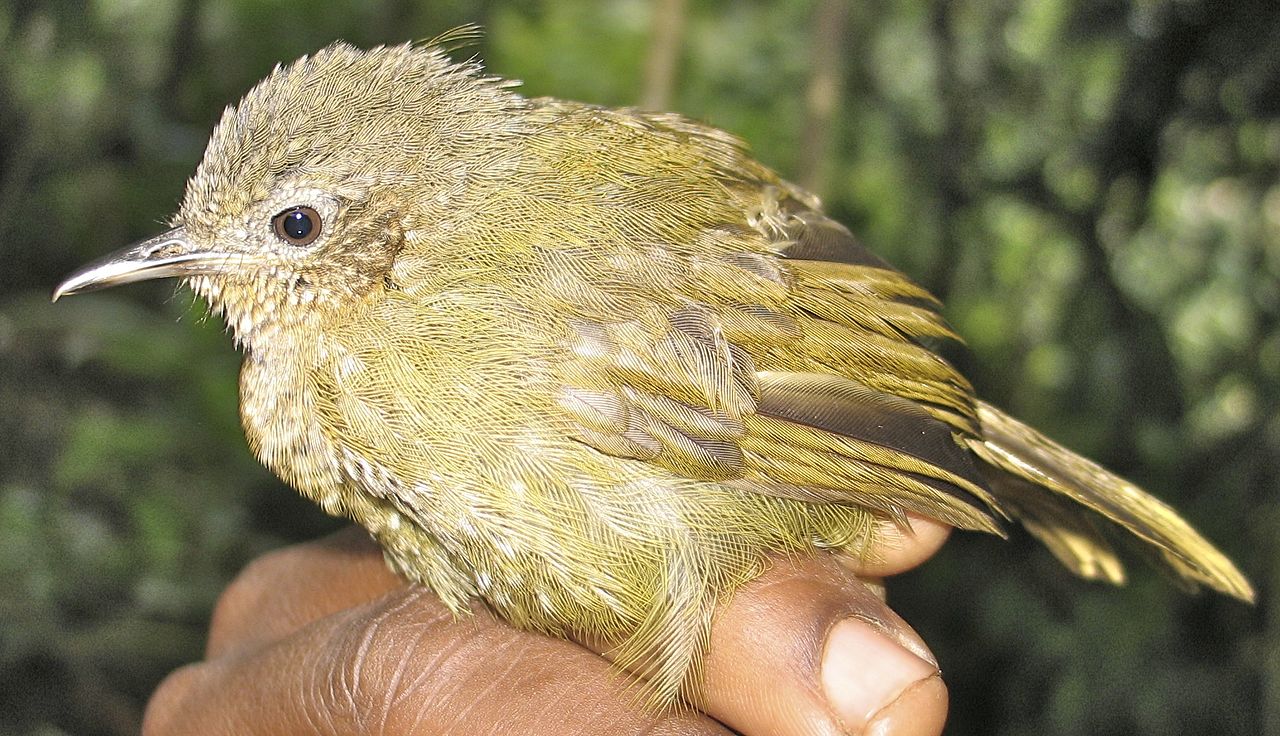
The grassland yellow finch is a small passerine bird. Despite its name, it is not a finch, but is a seedeater. These were formerly united with the buntings and American sparrows in the Emberizidae, but are now known to be tanagers.
Region
South America
Typical Environment
Occurs widely across open lowland regions including the pampas of Argentina and Uruguay, southern Brazil, Paraguay, and parts of Bolivia and Chile. It favors natural and semi-natural grasslands, pastures, and agricultural fields with scattered shrubs or fences for perching. The species readily uses human-modified habitats and the edges of wetlands or drainage ditches. During the non-breeding season it may gather in mixed-species flocks in open country. Local movements occur in response to seasonal changes in grass seed availability.
Altitude Range
Sea level to 2500 m
Climate Zone
Subtropical
Ease of Keeping
Beginner friendly: 2/5
Despite its name, the grassland yellow finch is not a true finch but a seedeater tanager in the family Thraupidae. It often forms flocks outside the breeding season and frequents pastures, airfields, and roadsides. Males perform brief fluttering display flights while delivering a bright, tinkling song. It can be confused with the saffron finch, but is generally smaller and more uniformly yellow without an orange face.


Temperament
social and active
Flight Pattern
short rapid wingbeats with bounding, undulating flight
Social Behavior
Often found in small groups or loose flocks outside the breeding season, sometimes mixing with other seedeaters. Pairs form during breeding, and the nest is a small cup placed low in dense grass or similar cover. Males display from exposed perches or in brief song-flights over territories.
Migratory Pattern
Partial migrant
Song Description
A bright, tinkling series of short trills and chirps delivered from a perch or during a fluttering display flight. Calls include sharp chips and soft twitters used to keep contact within flocks.
Plumage
Male bright yellow below with olive-brown, lightly streaked upperparts; wings and tail dusky with pale edges. Female and immatures are duller, more olive-buff with heavier streaking above and on the flanks. Feathers are sleek and close-fitting, giving a neat, compact appearance.
Diet
Primarily consumes seeds of grasses and herbaceous plants, husking them with its stout, conical bill. During the breeding season it supplements the diet with small insects and other invertebrates to meet protein demands. It forages mostly on or near the ground, walking and picking seeds from seedheads or bare soil. In mixed flocks, individuals keep a short distance from each other while feeding.
Preferred Environment
Open grasslands, pastures, field margins, and airfields with scattered perches such as fences and small shrubs. It also uses the edges of wetlands and ditches where grasses seed prolifically. Human-modified landscapes with short to medium grass height are readily exploited.