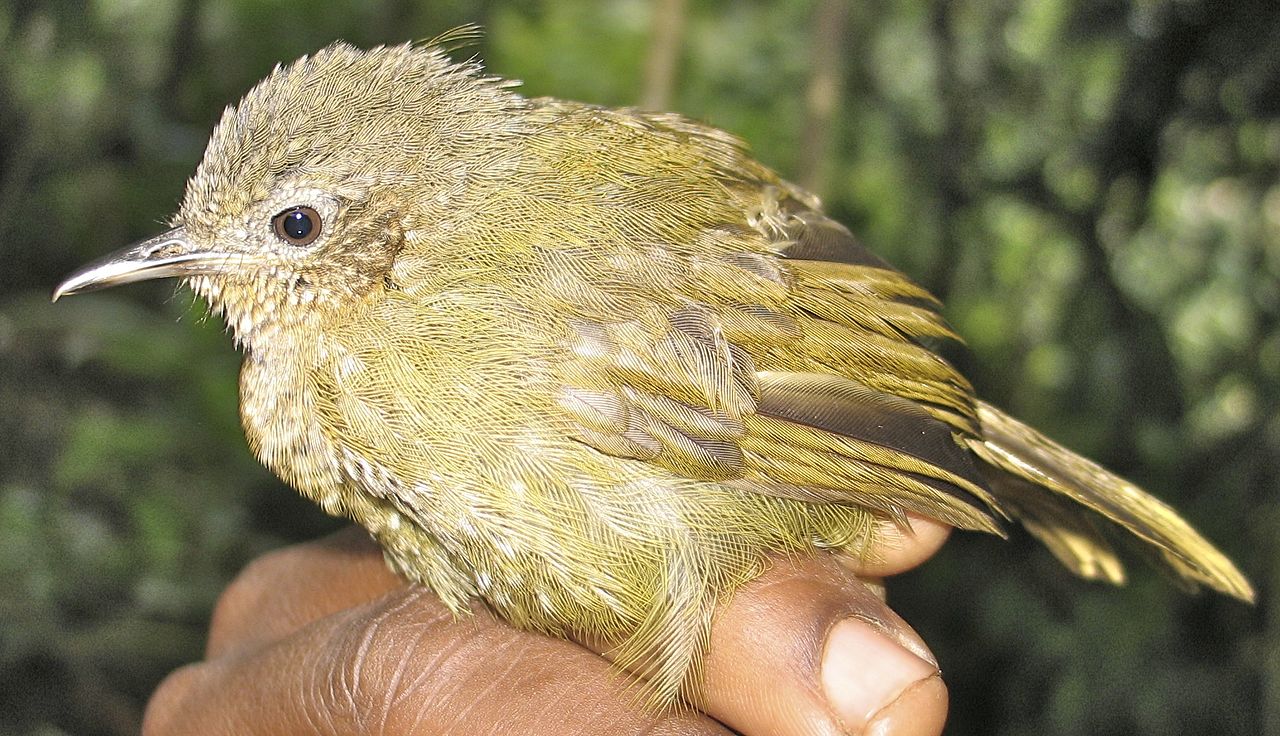
The grassland sparrow is a species of bird in the family Passerellidae. It is found in Argentina, Bolivia, Brazil, Colombia, French Guiana, Guyana, Paraguay, Peru, Suriname, Uruguay, and Venezuela. Its natural habitats are dry savannah, subtropical or tropical seasonally wet or flooded lowland grassland, and pastureland.
Region
South America
Typical Environment
Occurs widely from Colombia and Venezuela south through the Guianas and Brazil to Bolivia, Paraguay, Uruguay, and northern Argentina, also in eastern Peru. It favors dry to seasonally wet lowland grasslands, cerrado, savannas, and lightly grazed pastures with scattered shrubs. Frequently uses seasonally flooded fields and the edges of wetlands with short to medium-height grasses. Avoids dense forest and very tall, closed grass stands, preferring patchy ground cover where it can run and forage on foot.
Altitude Range
Sea level to 1800 m
Climate Zone
Tropical
Ease of Keeping
Beginner friendly: 1/5
This small sparrow is a specialist of open, grassy habitats and often stays low and hidden, only popping up to sing from a grass stem or fence post. Its song is a thin, insect-like trill that can carry surprisingly far across the savanna. Nests are well-concealed cups or domes built at the base of tussocks, making them hard to find. It adapts readily to lightly grazed pastureland but declines where grasslands are converted or overgrazed.


Temperament
shy and skulking
Flight Pattern
short rapid wingbeats, low and direct over grass
Social Behavior
Typically seen singly or in pairs during the breeding season, holding small territories in suitable patches of grass. Nests are placed on or near the ground, often tucked into a grass clump, with both parents attending young. Outside breeding, small loose groups may form while foraging in open pastures.
Migratory Pattern
Partial migrant
Song Description
A thin, insect-like series of introductory tiks or tsit notes followed by a sustained, buzzy trill. Often delivered from a low perch such as a fence wire or grass stem, especially at dawn and dusk.
Plumage
Upperparts are brown with blackish streaking and a slightly rufous cast on the wings and shoulders; underparts are buffy to pale with faint breast streaking. The head shows a pale buff supercilium, darker lateral crown stripes, and a subtle pale central crown stripe. Tail is short and often held cocked; overall appearance is cryptic and grass-toned.
Diet
Eats a mix of grass and weed seeds along with small arthropods such as beetles, grasshoppers, and caterpillars. Insects make up a larger share of the diet during the breeding season and for nestlings. Foraging is mostly on the ground, where it picks seeds and small prey from bare patches and the base of grasses.
Preferred Environment
Feeds in short to medium-height grasslands, lightly grazed pastures, and the edges of marshy or seasonally flooded fields. Prefers areas with scattered bare ground and tussocks that provide both cover and foraging opportunities.